
Some tasks require more than just moving a few boxes across a room. They involve transporting substantial weight across longer distances or over challenging ground. Whether it's moving landscaping materials across a yard, handling equipment on a job site, or packing gear for an extended trip, the equipment used needs to be robust and reliable. The Tools Foldable Push Cart Dolly is often chosen for these situations. This examination looks at the design principles that allow such a cart to manage significant weight while remaining a practical partner for travel over various terrains.
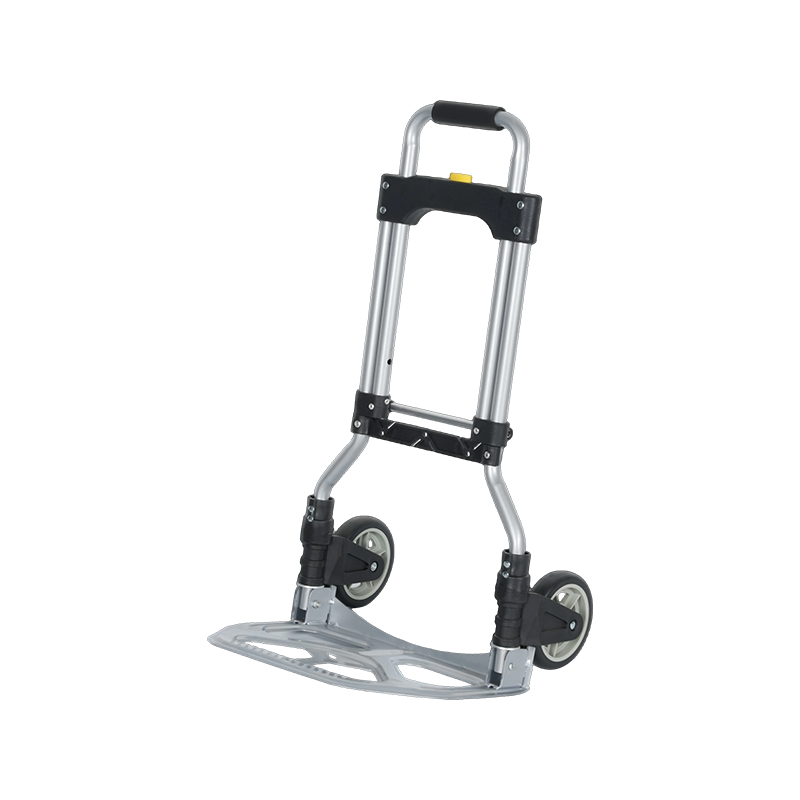
A cart's ability to support weight starts with its underlying structure. The material used for the frame, typically a form of steel or aluminum, provides the fundamental strength. The design of the frame—how the tubes are welded together and braced—distributes the load's stress to prevent buckling or bending. The platform itself must be rigid; a platform that flexes under weight can feel unstable and may fatigue over time. Reinforcements at key stress points, like where the handle attaches or where the axle is mounted, are indicators of a build intended for regular, heavy-duty use. This robust construction is what allows the cart to be a trustworthy platform for demanding loads.
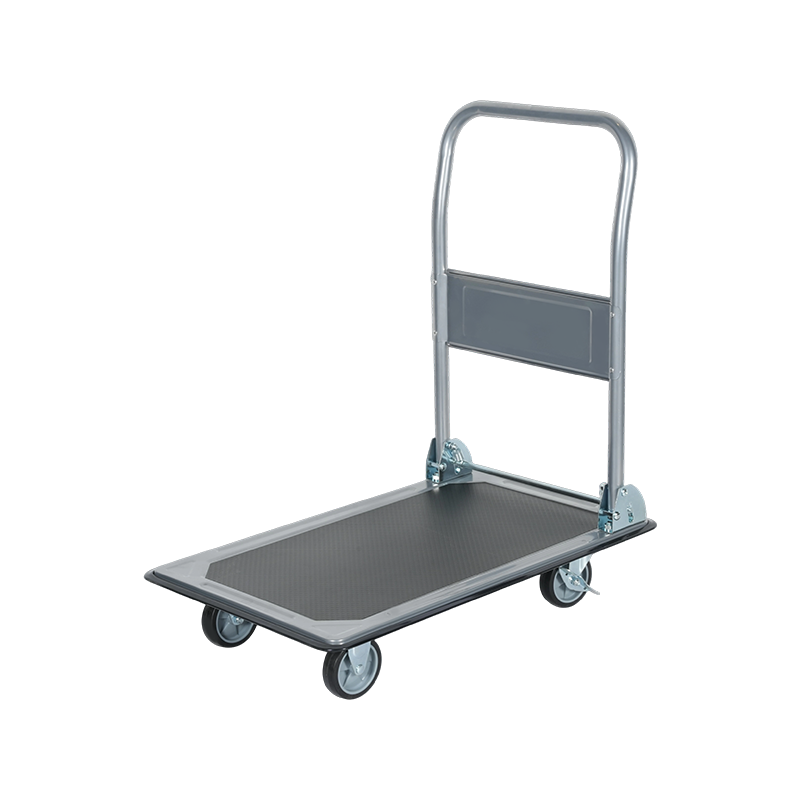
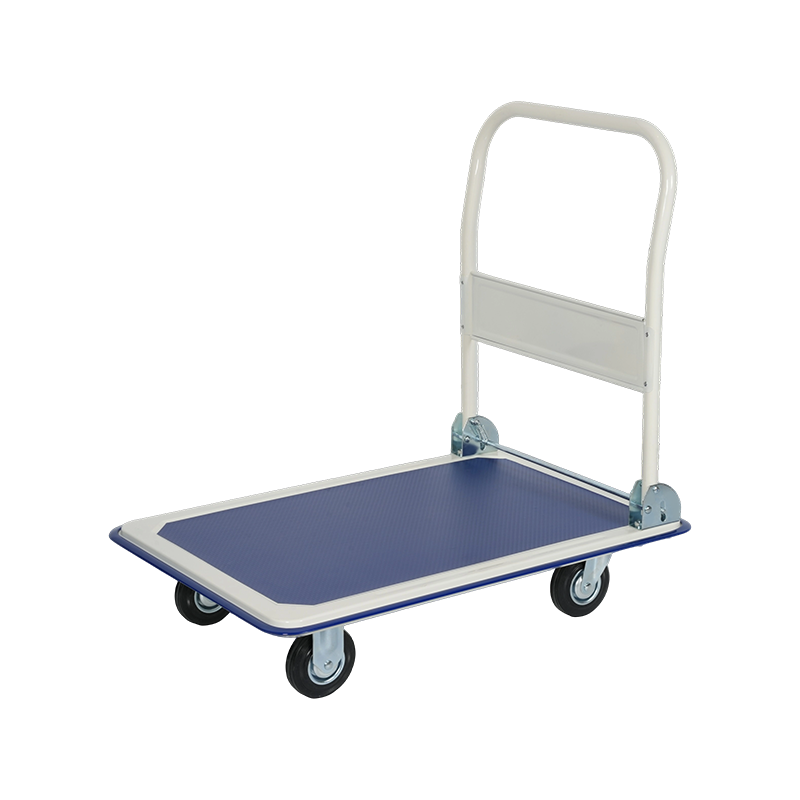
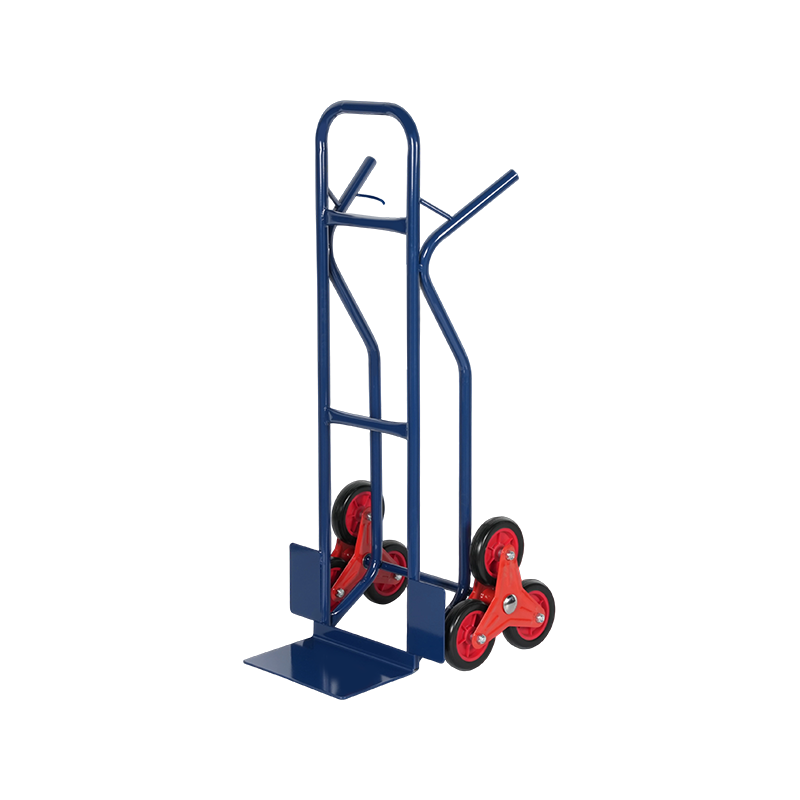
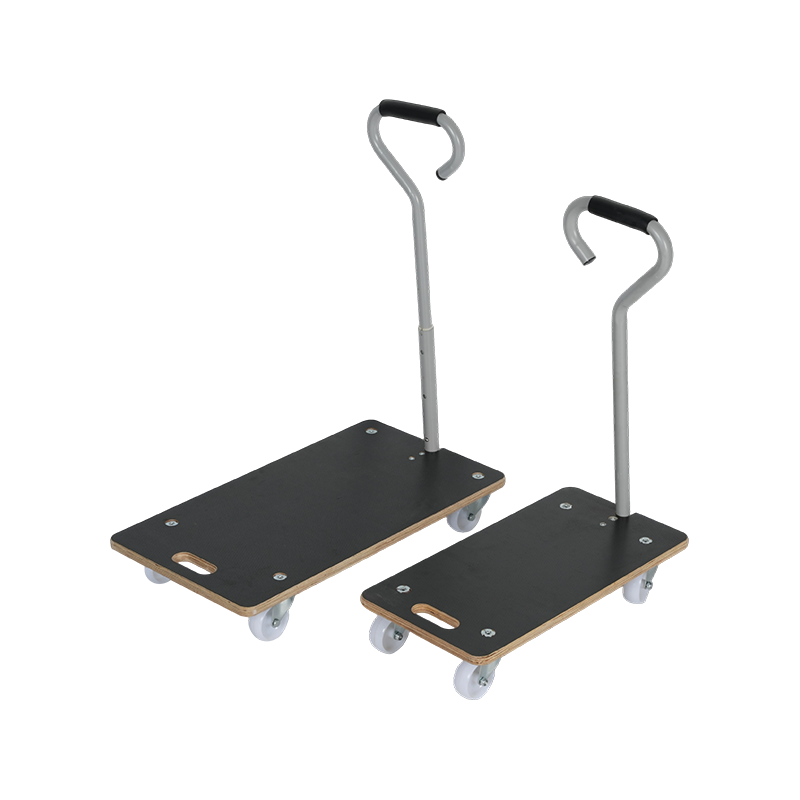
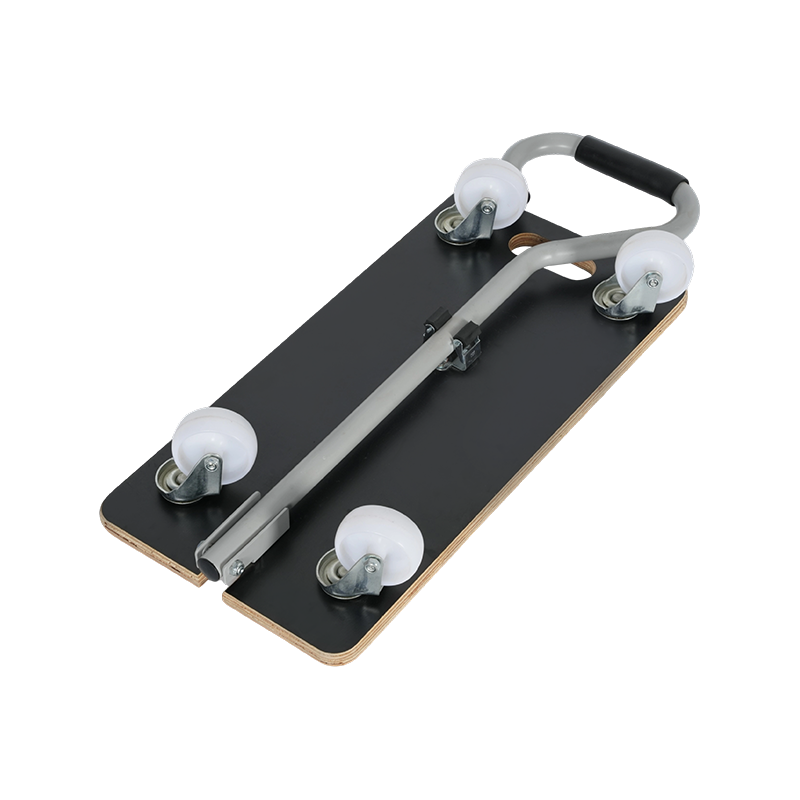
Carrying a heavy load is one thing; moving it comfortably is another. The tires are critical for this. Wider tires provide a larger contact patch with the ground, enhancing stability. Pneumatic (air-filled) tires act as shock absorbers, making it easier to pull a heavy cart over bumps, curbs, or soft earth because they compress to absorb impacts. The wheel's diameter also matters; a larger wheel will roll over obstacles more easily than a small one. For long travel, a setup that includes a set of swiveling wheels is important for making directional changes without having to lift or drag the weighted cart.
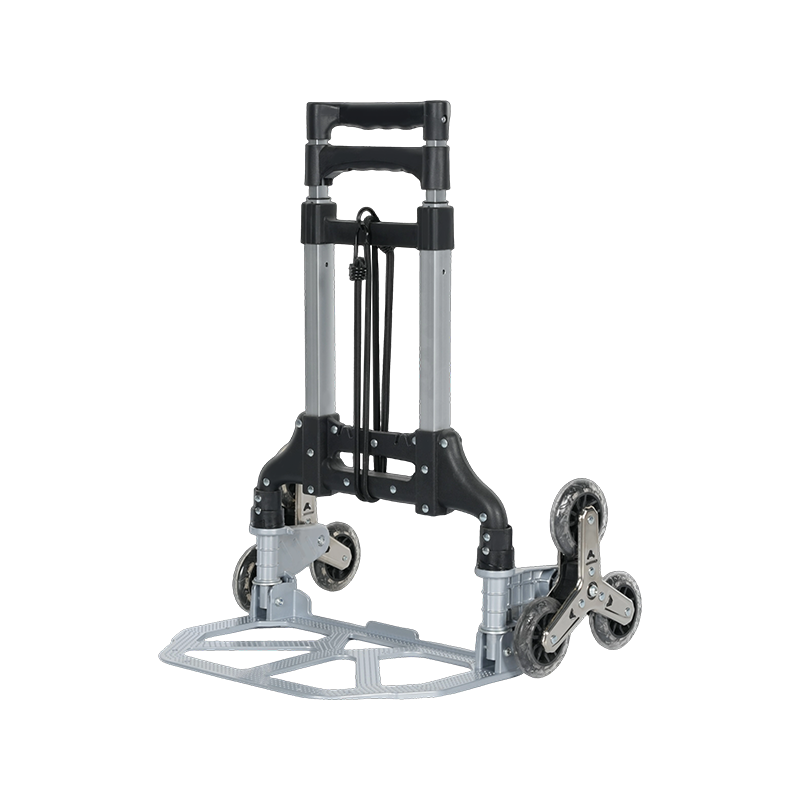
When transporting valuable or heavy items, control is necessary. A locking mechanism on one or more wheels acts as a parking brake, preventing the cart from rolling away on an incline when unattended. Some carts offer a dual-handle design that gives the user more leverage and steering precision, which is helpful when navigating a fully loaded cart through a narrow gate or doorway. Additionally, integrated tie-down points or straps are useful for securing a load that might shift during a longer journey, ensuring everything arrives as intended.
Using a cart for heavy loads over a distance requires some forethought. Distributing the weight evenly across the platform prevents it from being unbalanced and difficult to steer. Checking tire pressure before a big job ensures smooth rolling. Being mindful of the cart's stated capacity helps avoid overloading, which can strain the frame and axles. For truly extended travel, such as on a hiking trail or large property, the cart's own weight becomes a factor, as a lighter cart is easier to pull when empty on the return trip.
The Tools Foldable Push Cart Dolly, when built with these principles, transitions from a simple helper to an essential asset for substantial moving tasks. Its role is defined by a combination of resilient construction, capable wheels, and thoughtful features that provide control. It acknowledges that moving heavy objects is often part of a larger project that covers ground—both literally and figuratively. By offering a stable, mobile platform, it turns a potentially arduous chore into a managed, efficient process, proving its worth on every trip from start to finish.


We sincerely welcome domestic and international customers to visit us and discuss cooperation opportunities!

ykjg@wenlide.com
ykxy@wenlide.com

86-0579-89266926
86-0579-87353489

+86-13735620288
+86-15258987461
+86-13566910892

No. 299, Quanhu Indsutrial Zone, Shizhu Town, Yongkang City, Zhejiang Province, China
Copyright © Yongkang XiangYe Tools Manufacturing Co., Ltd. All Rights Reserved.
Hand Trucks and Transport Trolley Manufacturer



 English
 中文简体
中文简体