
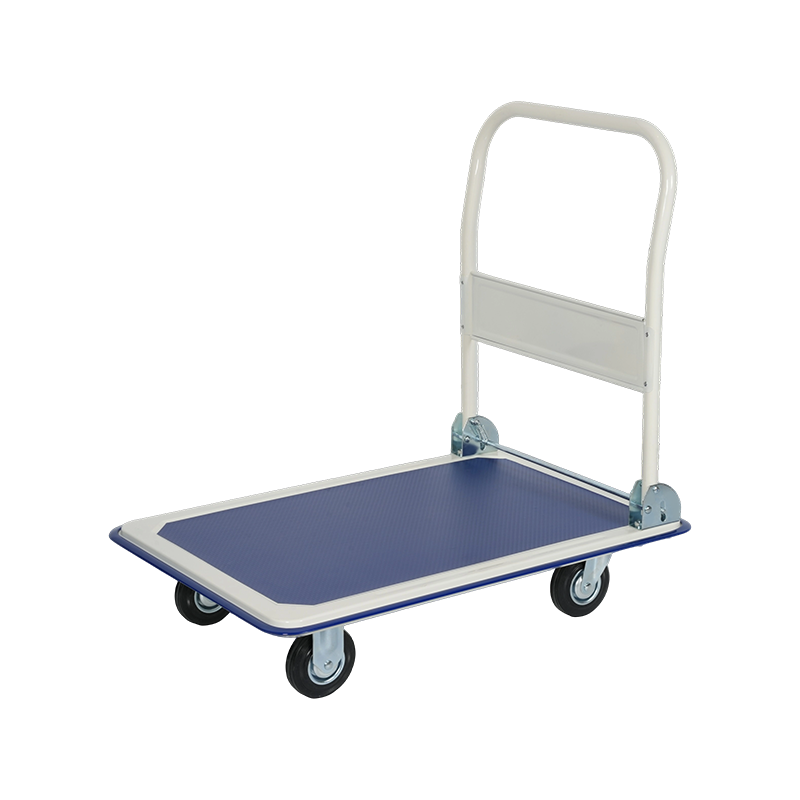
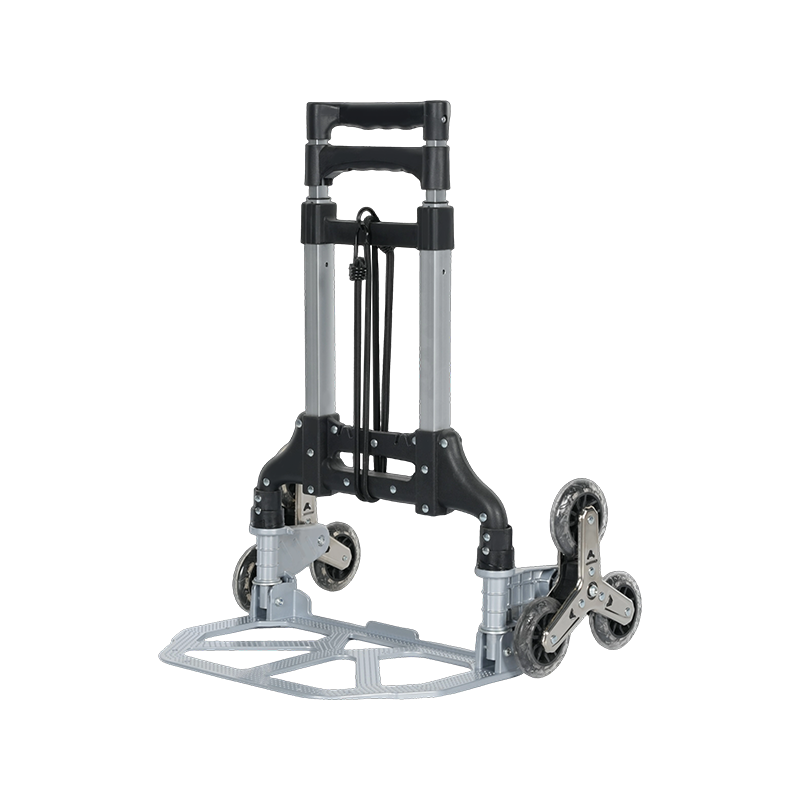
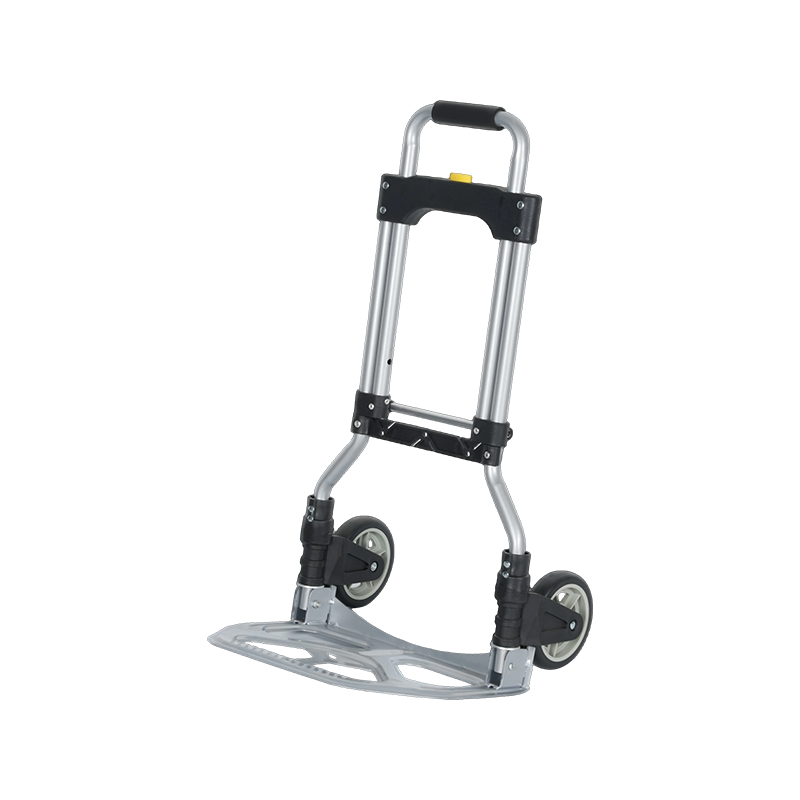
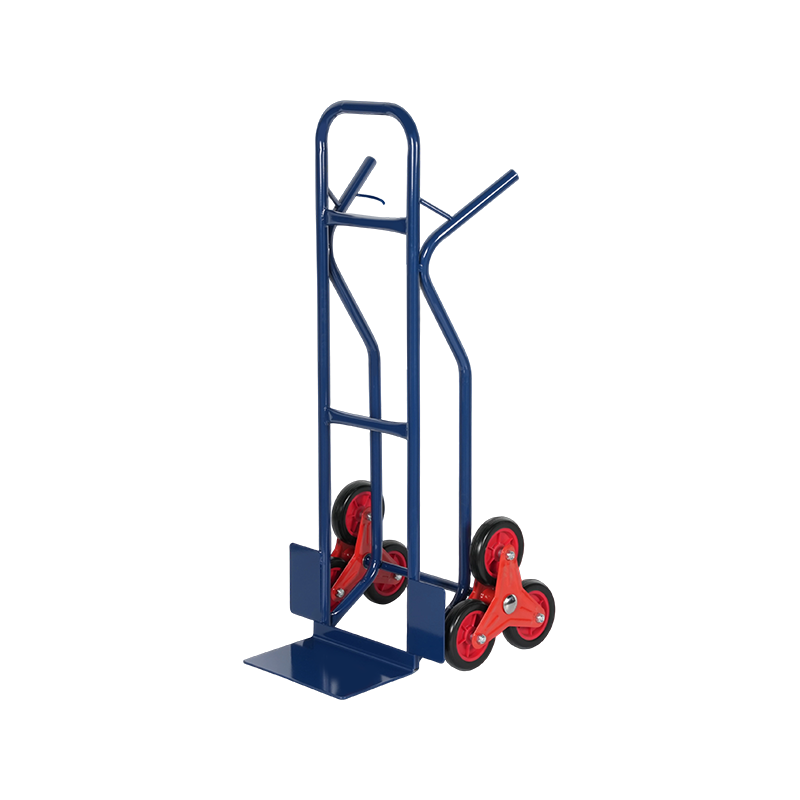
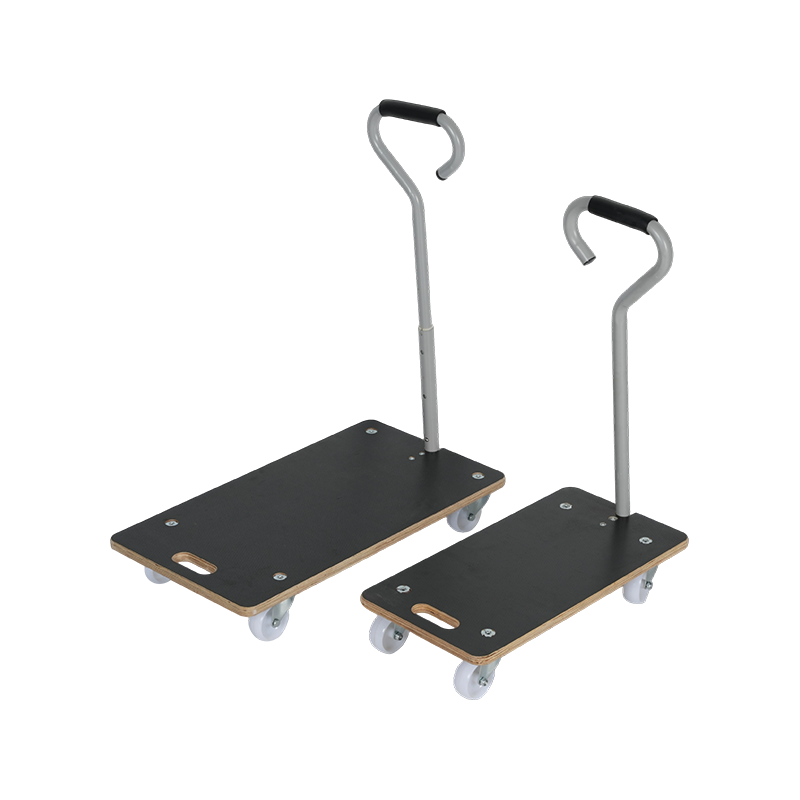
Wheeled furniture mover dollies are designed to support the relocation of heavy or bulky furniture while reducing physical strain and minimizing damage risks. Effective design begins with an understanding of load behavior, user interaction, and surface conditions.
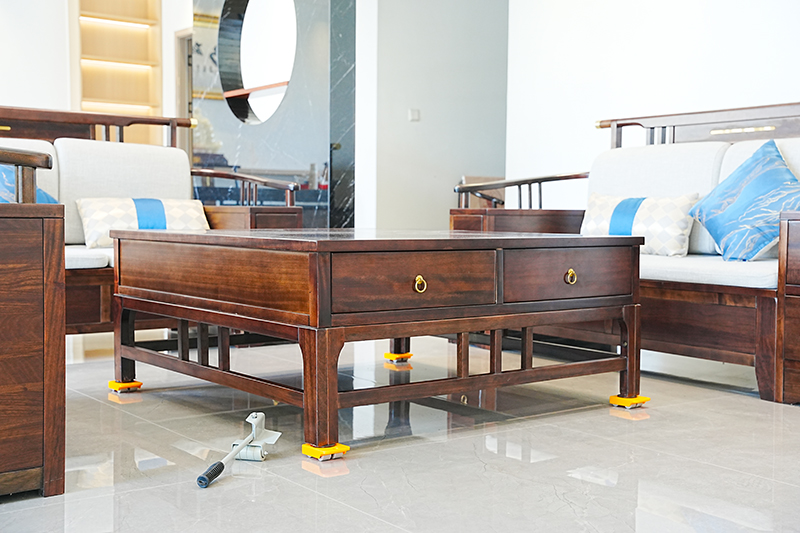
One primary consideration is load capacity and weight distribution. A dolly must be rated to handle not only the static weight of furniture but also dynamic forces generated during movement. Wide platforms and reinforced frames help distribute weight evenly, reducing stress on individual wheels and preventing tipping. Corner supports or recessed platforms can further stabilize items with uneven bases.
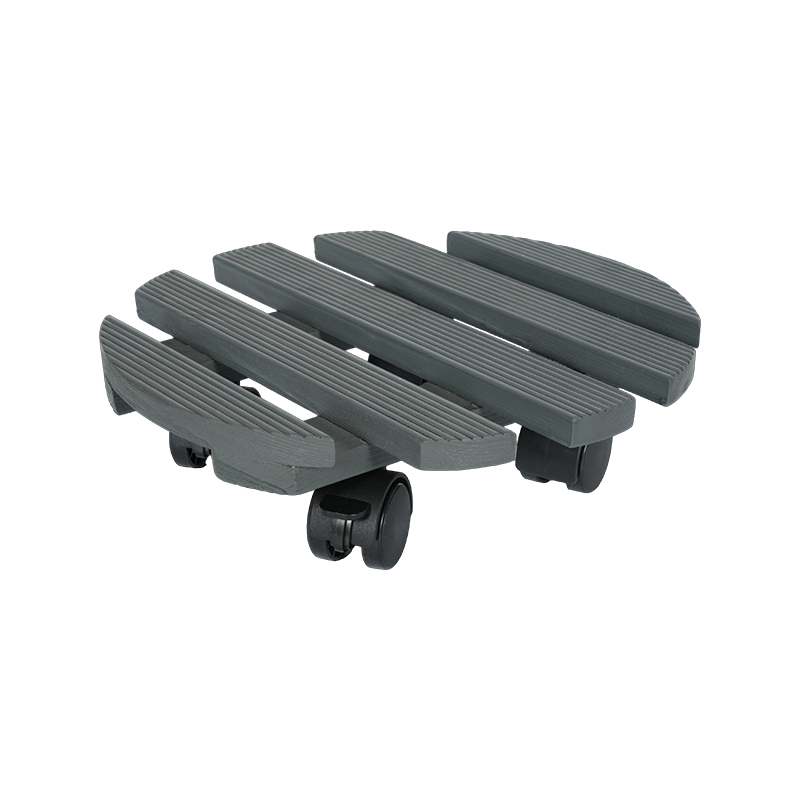
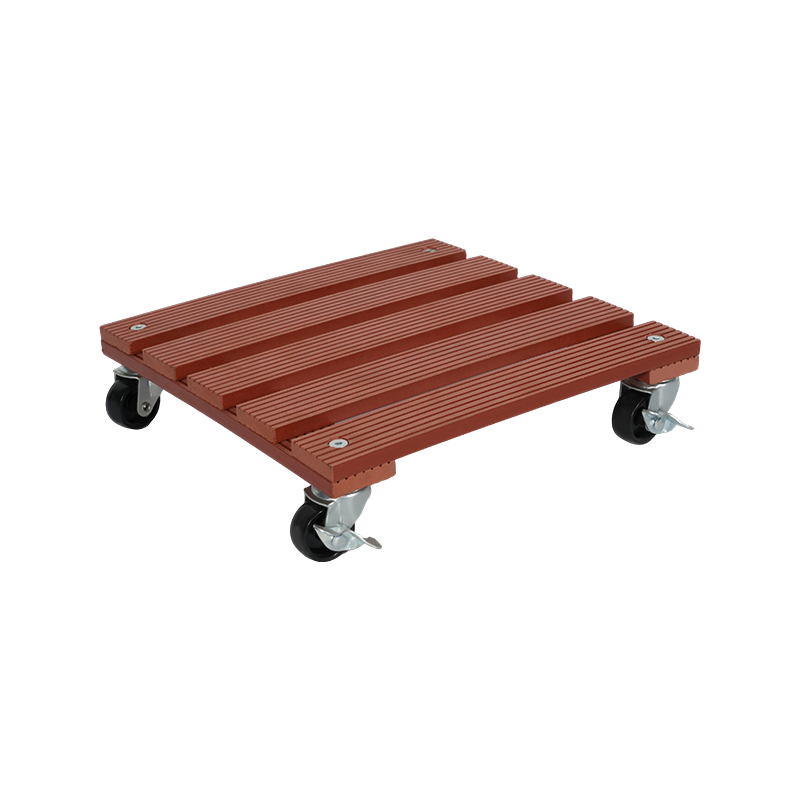
Wheel selection is another critical design factor. Wheel diameter, material, and bearing type directly influence maneuverability. Larger wheels roll more smoothly over thresholds and uneven surfaces, while softer wheel materials help protect floors. Swivel casters improve directional control in tight spaces, whereas fixed wheels enhance straight-line stability. Many designs combine both to balance control and flexibility.
The platform surface also plays an important role. Non-slip coatings, textured rubber pads, or carpeted tops help prevent furniture from sliding during transport. At the same time, the surface must be durable enough to resist compression and wear under repeated loads.
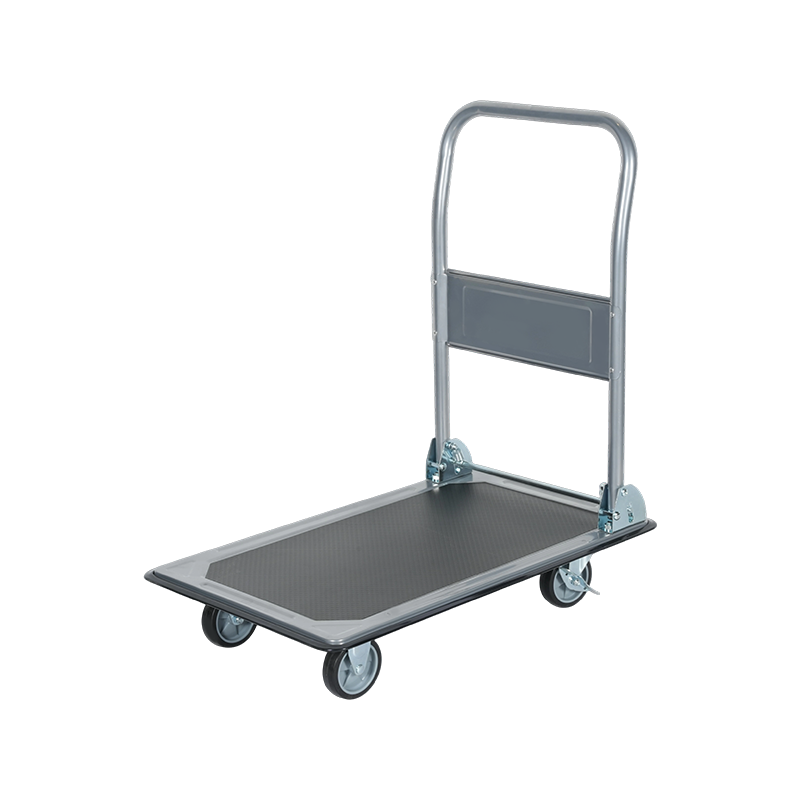
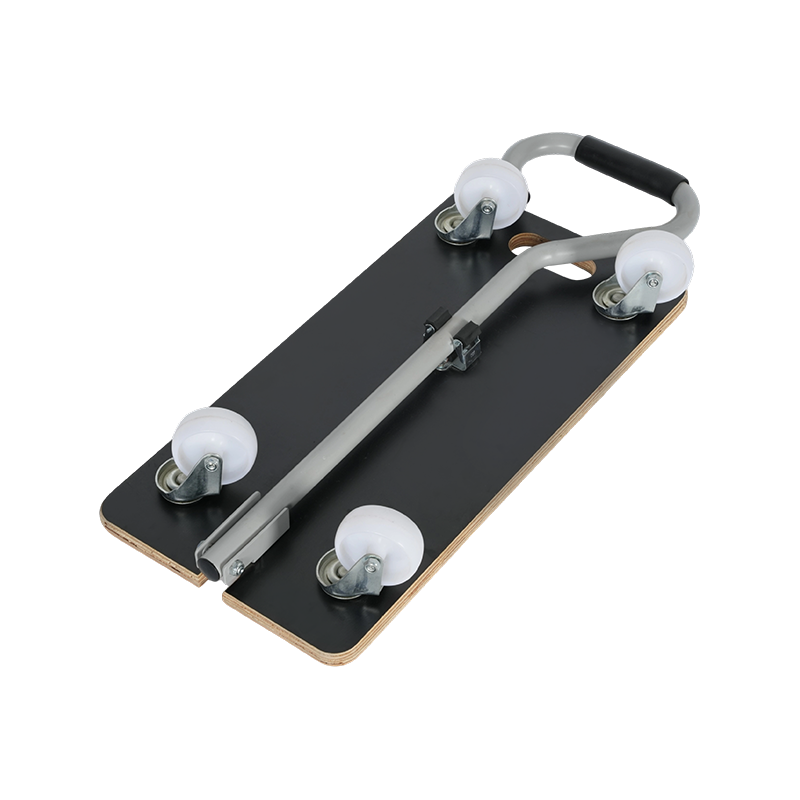
Ergonomics and storage should be considered. Lightweight construction, integrated handholds, and compact dimensions improve handling and storage when the dolly is not in use. A well-designed wheeled furniture mover dolly supports both operational efficiency and user safety across residential and commercial moving scenarios.
Using a furniture mover dolly correctly is essential for protecting both the user and the items being transported. While dollies simplify moving tasks, improper handling can still lead to injury or damage. A structured approach improves both safety and efficiency.
The first step is preparation. Before lifting or positioning furniture, assess its weight, size, and balance. Clear the intended path of movement, removing obstacles such as rugs, cords, or debris. Ensure doors are fully open and measure narrow passages in advance to avoid sudden stops or adjustments mid-move.
Next, focus on proper lifting and placement. When positioning furniture onto the dolly, use correct lifting techniques—bend at the knees, keep the back straight, and lift with the legs. If the furniture is particularly heavy or awkward, use a furniture lifter tool or work with a partner. Place the item centrally on the dolly so that weight is evenly distributed across the platform.
During movement, maintain controlled and steady motion. Push rather than pull whenever possible, as pushing allows better body alignment and visibility. Keep hands and feet clear of wheels and corners. When navigating turns, move slowly and anticipate how the load will shift. For ramps or slight inclines, ensure the dolly is designed to handle the angle and that brakes or wheel locks are used if available.
Floor protection is another important consideration. Even with soft wheels, heavy loads can mark delicate surfaces. Use protective sheets or mats on hardwood, tile, or laminate flooring if necessary. Avoid sudden directional changes that increase friction and stress on the surface.
Unloading and storage should be done carefully. Lower furniture gradually and ensure it is stable before removing the dolly. After use, inspect the dolly for wheel debris or structural wear. Proper maintenance, such as cleaning wheels and checking fasteners, supports long-term safe operation.
By following these steps, users can move furniture more efficiently while reducing physical strain and minimizing the risk of damage.
The Furniture Lifter Mover Dolly is the perfect solution for effortlessly moving heavy furniture, especially large items like tables. Designed to make your moving experience easier and more efficient, this tool helps lift and transport furniture with minimal effort.
Features & Benefits:
Make moving large furniture a breeze with the Furniture Lifter Mover Dolly. Say goodbye to straining your back and hello to effortless furniture relocation!
A furniture mover dolly is designed to transport items once they are lifted off the ground, using wheels to enable movement. A furniture lifter, on the other hand, is a lever-based tool used to raise furniture slightly so that dollies or sliders can be placed underneath. They are often used together as part of a complete moving system.
Weight capacity varies by design and materials. Light-duty dollies may support around 150–200 kilograms, while heavy-duty models can handle significantly more. Users should always consult manufacturer ratings and avoid exceeding recommended limits to maintain stability and safety.
Most dollies are designed for common indoor surfaces, including concrete, tile, and hardwood. Wheel material plays a key role in floor compatibility. Softer wheels reduce the risk of surface damage, while harder wheels roll more easily on rough surfaces. For delicate floors, additional protection may be advisable.
For smaller or moderately heavy items, a single person can often use a lifter and dolly safely. However, for large or unbalanced furniture, working with a second person improves control and reduces risk. The size, weight, and shape of the item should guide this decision.
Basic maintenance includes checking wheels for debris, ensuring fasteners remain secure, and inspecting the platform for cracks or wear. Keeping wheels clean and bearings functional helps maintain smooth movement and extends service life.


We sincerely welcome domestic and international customers to visit us and discuss cooperation opportunities!

ykjg@wenlide.com
ykxy@wenlide.com

86-0579-89266926
86-0579-87353489

+86-13735620288
+86-15258987461
+86-13566910892

No. 299, Quanhu Indsutrial Zone, Shizhu Town, Yongkang City, Zhejiang Province, China
Copyright © Yongkang XiangYe Tools Manufacturing Co., Ltd. All Rights Reserved.
Hand Trucks and Transport Trolley Manufacturer



 English
 中文简体
中文简体