
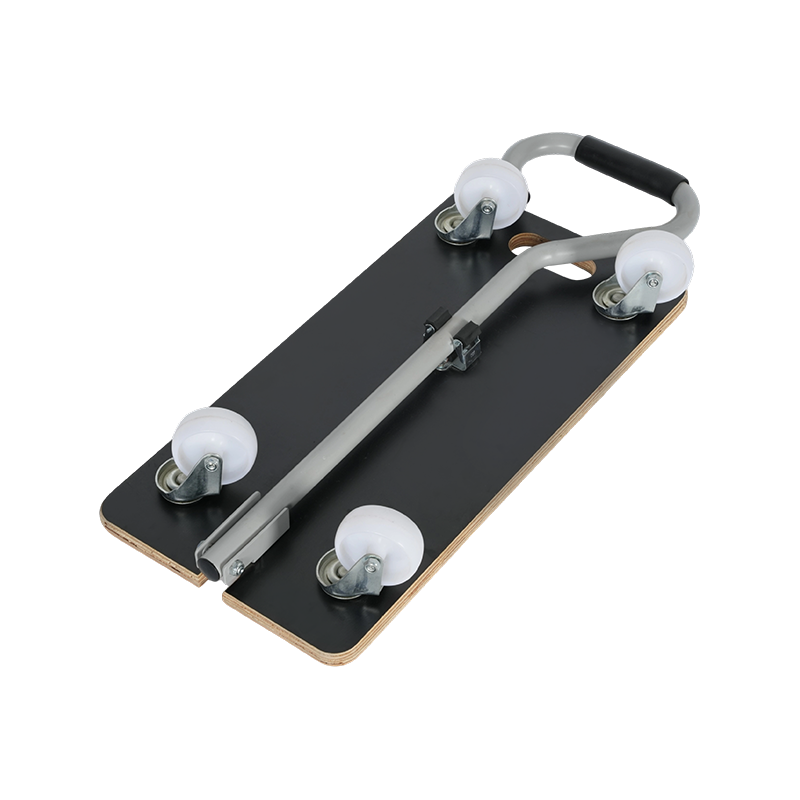
Propane cylinders are commonly used in industrial, residential, and outdoor environments, but transporting them can require significant physical effort. Their weight and shape make manual handling difficult, especially when movement is frequent. A Movable Propane Cylinder Base offers a practical solution by reducing lifting requirements and improving transport efficiency while maintaining stable support during movement.
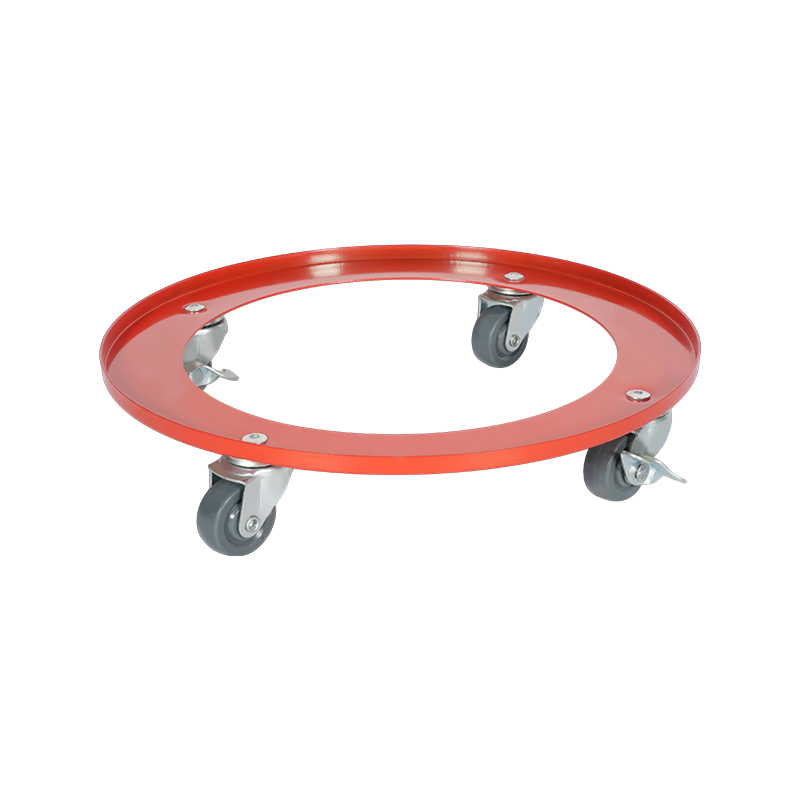
One of the main difficulties in cylinder transport is weight. Even medium-sized cylinders can be hard to lift or reposition safely without assistance. Larger cylinders increase this challenge further, often requiring careful coordination during movement.
The round structure of cylinders also limits handling options. Without flat surfaces or secure grip points, users must rely on awkward lifting techniques, which can lead to instability or strain.
Frequent transport tasks can also lead to fatigue. In working environments where cylinders are moved regularly, repeated manual handling becomes time-consuming and physically demanding.
A movable base changes transport from lifting to rolling. Instead of carrying the cylinder, users can guide it across surfaces with a controlled pushing motion. This reduces direct physical strain and simplifies movement tasks.
The base supports the full weight of the cylinder, allowing it to remain stable while in motion. This reduces the need for lifting adjustments and helps maintain smooth transport across different areas.
Even when moving longer distances, the rolling structure ensures that effort remains relatively consistent, making the process more manageable.
Wheel systems are essential in reducing transport effort. Swivel casters allow multi-directional movement, which helps users navigate tight or restricted spaces without repositioning the cylinder manually.
Rolling motion reduces friction between the cylinder and the ground. This allows smoother movement with less force, even when the surface is not perfectly even.
Locking wheels provides control when movement is complete. Once the cylinder is placed in position, the base can be secured to prevent unwanted shifting, ensuring both mobility and stability.
Ergonomic features help further reduce effort during operation. Handles provide better control and allow users to guide movement without bending or applying excessive force.
Balanced structural design also supports easier handling. By maintaining proper weight distribution, the base reduces resistance during movement and improves directional control.
These design elements work together to make transport more efficient and less physically demanding.
Although reducing effort is important, stability remains essential. A low center of gravity helps prevent tipping during movement, ensuring the cylinder stays upright.
A wide support structure distributes weight evenly, improving balance across different surfaces. This is especially useful when moving over slightly uneven ground.
Anti-slip contact surfaces reduce internal movement between the cylinder and the base, helping maintain control throughout transport.
Durability is important for consistent performance. Metal frames are commonly used due to their strength and ability to support heavy loads without bending.
Protective coatings help reduce wear caused by environmental exposure, including moisture or outdoor conditions. This extends the usable life of the base in different working environments.
A strong structure ensures that performance remains stable even with repeated use.
In industrial settings, reducing transport effort helps improve workflow efficiency by allowing cylinders to be moved with less interruption.
In workshops or maintenance areas, cylinders often need to be repositioned multiple times. A movable base reduces physical strain during these repeated tasks.
Outdoor environments also benefit from easier transport, especially when cylinders are used for heating or cooking and need to be moved based on usage needs.
Reducing effort during transport improves overall working efficiency. Tasks can be completed with less physical strain, allowing users to focus on other operations.
It also improves consistency in handling. Easier movement reduces delays caused by repositioning difficulties and helps maintain a smoother workflow.
Lower physical effort also contributes to safer handling conditions by reducing fatigue-related risks.
A movable base provides a practical way to reduce the physical effort required for propane cylinder transport. Through rolling movement, stable support, and ergonomic design, a Movable Propane Cylinder Base improves handling efficiency while maintaining control and stability across different environments.

We sincerely welcome domestic and international customers to visit us and discuss cooperation opportunities!

ykjg@wenlide.com
ykxy@wenlide.com

86-0579-89266926
86-0579-87353489

+86-13735620288
+86-15258987461
+86-13566910892

No. 299, Quanhu Indsutrial Zone, Shizhu Town, Yongkang City, Zhejiang Province, China
Copyright © Yongkang XiangYe Tools Manufacturing Co., Ltd. All Rights Reserved.
Hand Trucks and Transport Trolley Manufacturer



 English
 中文简体
中文简体