
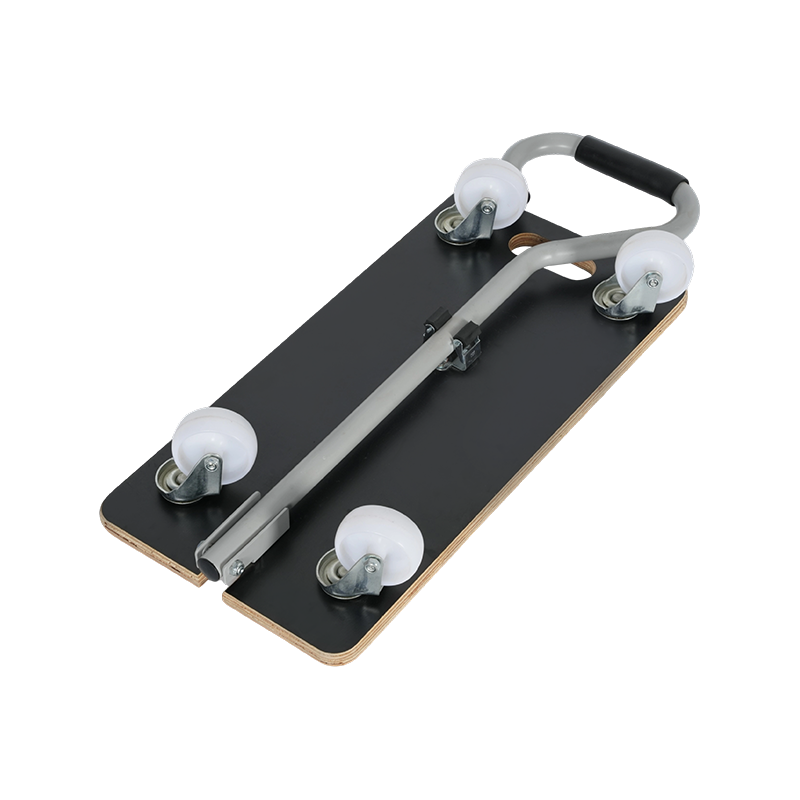
Handling propane cylinders requires a stable and controlled environment to reduce risks during movement and placement. Due to their weight and cylindrical shape, these cylinders can be difficult to manage without proper support. A Movable Propane Cylinder Base provides steady structural support that helps maintain balance during handling tasks. It plays an important role in improving control, reducing instability, and supporting safer operation in different environments.
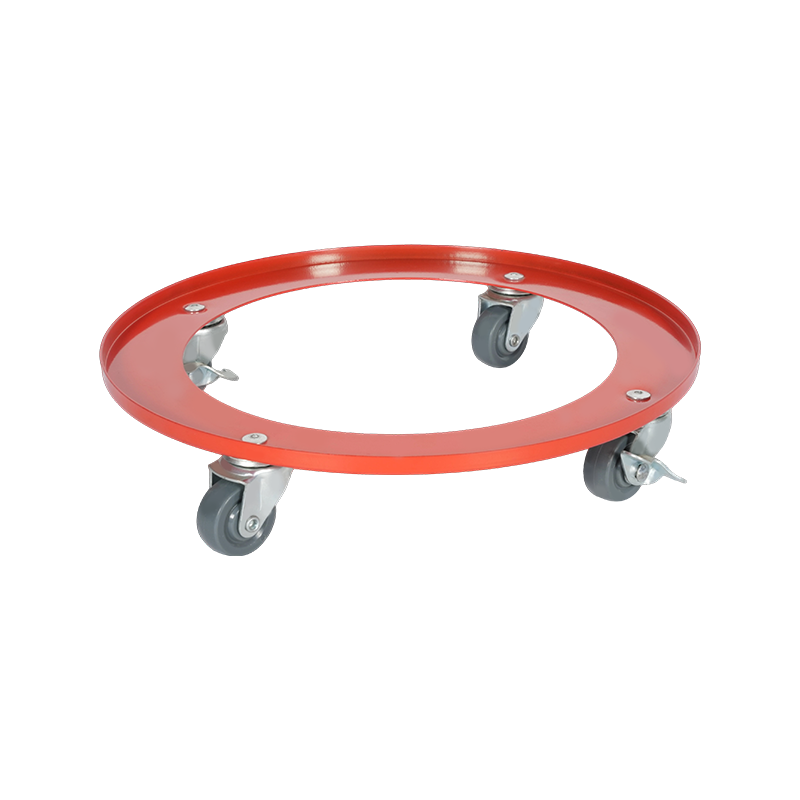
Propane cylinders are often difficult to handle manually because of their uneven weight distribution and lack of natural grip points. When lifted or repositioned without support, they may tilt or shift unexpectedly, creating challenges for safe handling.
Another common issue is balance during placement. Even when a cylinder is not in motion, unstable surfaces or improper positioning can lead to leaning or tipping. This becomes more noticeable in busy environments where cylinders are frequently moved or adjusted.
Physical effort is also a key concern. Repeated lifting or adjusting of heavy cylinders can cause fatigue, increasing the risk of improper handling over time.
A stable base is designed to provide consistent support across the entire cylinder body. A wide foundation helps distribute weight evenly, reducing pressure points and improving balance during both stationary use and movement.
A low center of gravity is an important structural feature. By keeping the cylinder closer to the ground level, stability is improved, and the risk of tipping is reduced during handling operations.
The frame is typically reinforced to maintain shape under load. This ensures that the base does not deform when supporting heavy cylinders over extended periods of use.
Steady support is essential not only during transport but also during positioning tasks. When moving a cylinder from one location to another, maintaining balance is critical to prevent sudden shifts.
A Movable Propane Cylinder Base helps guide the cylinder in a controlled manner. Even when the surface is uneven or slightly sloped, the base provides consistent contact with the ground, reducing instability during movement.
Once the cylinder reaches its intended location, the base continues to provide support. This ensures that the cylinder remains upright and secure without requiring additional adjustments.
Anti-slip surface design plays an important role in maintaining steady support. It helps increase friction between the cylinder and the base, reducing internal movement during handling.
Fastening components such as straps or brackets further improve stability. These features help secure the cylinder in place, especially when it is being transported or repositioned.
Wheel locking systems also contribute to stability when the cylinder is stationary. Once locked, the base remains fixed, preventing unintended movement during operation.
Material selection is essential for maintaining consistent support performance. Metal frames are commonly used because they provide strong load-bearing capacity and resistance to deformation.
Protective coatings help extend durability by reducing the impact of environmental exposure,e such as moisture or outdoor conditions. This is especially important in environments where cylinders are frequently used or relocated.
A strong structure ensures that steady support is maintained over repeated use, supporting both safety and operational reliability.
In industrial environments, steady support is important when cylinders are moved between storage and operational areas. A stable base helps maintain control during frequent handling.
In maintenance and workshop settings, cylinders may need to be repositioned multiple times throughout the day. A supportive base reduces instability during these repeated adjustments.
Outdoor environments also benefit from steady support. Uneven surfaces such as soil, gravel, or concrete transitions can create instability, but a well-designed base helps maintain balance across different ground conditions.
Steady support contributes to smoother handling operations. When cylinders remain stable, users can move and position them with greater control and reduced effort.
It also helps improve workflow consistency. Tasks involving cylinder movement become more predictable, reducing interruptions caused by instability or repositioning issues.
Better control during handling also reduces unnecessary strain, supporting more comfortable and efficient operation over time.
A stable and supportive base plays a key role in safe and controlled propane cylinder handling. By providing structural balance, secure positioning, and consistent support, a Movable Propane Cylinder Base helps improve stability during both movement and stationary use. Its design supports safer handling conditions and more reliable operation across different working environments.

We sincerely welcome domestic and international customers to visit us and discuss cooperation opportunities!

ykjg@wenlide.com
ykxy@wenlide.com

86-0579-89266926
86-0579-87353489

+86-13735620288
+86-15258987461
+86-13566910892

No. 299, Quanhu Indsutrial Zone, Shizhu Town, Yongkang City, Zhejiang Province, China
Copyright © Yongkang XiangYe Tools Manufacturing Co., Ltd. All Rights Reserved.
Hand Trucks and Transport Trolley Manufacturer



 English
 中文简体
中文简体