
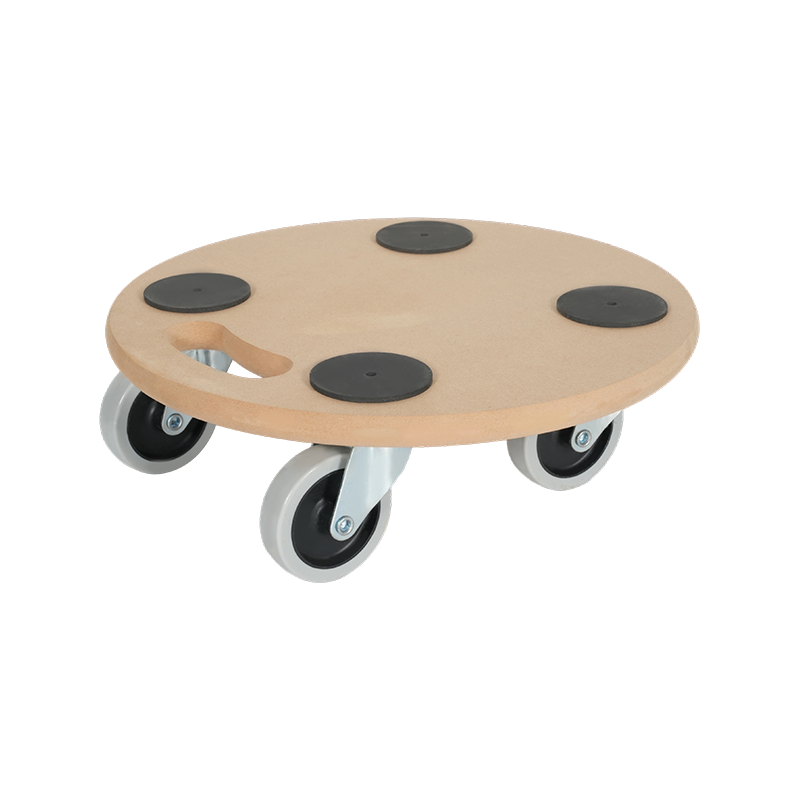
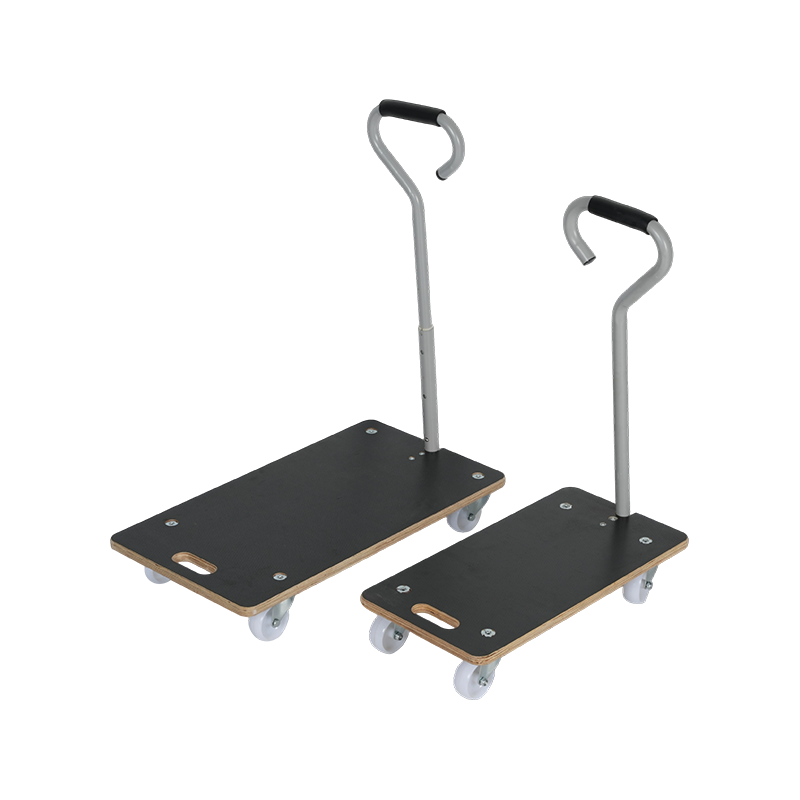
Moving Wooden Dolly tools are widely used in indoor furniture transport, where control, balance, and surface care matter more than speed. Indoor environments present unique challenges, including narrow pathways, delicate surfaces, and limited space for repositioning. Wooden dollies are often selected because their structure supports steady movement while reducing common indoor transport risks.
Moving furniture indoors requires careful coordination. Doorways, hallways, and corners often restrict movement, while flooring materials may be sensitive to pressure and friction. Furniture pieces can also vary in shape, making balance more difficult during transport.
Tools designed for indoor use must address these constraints by supporting stability and predictable handling throughout the process.
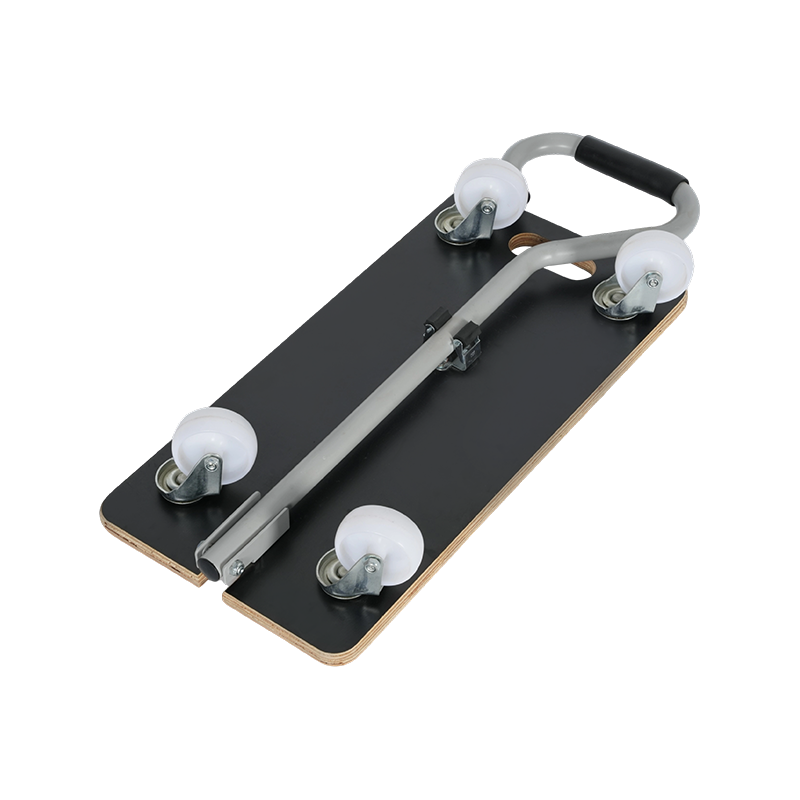
One advantage of a wooden dolly is its low platform height. Keeping furniture close to the floor helps maintain balance during movement. A lower center of gravity reduces the chance of tipping when turning or stopping.
This stable positioning allows users to focus on guiding the furniture rather than constantly correcting balance. As a result, indoor movement can feel more controlled and manageable.
Wooden dollies support furniture across a flat surface rather than at a single contact point. This full surface support helps distribute pressure evenly and reduces stress on furniture legs or corners.
Items placed flat on the platform are less likely to shift unexpectedly. This contributes to smoother movement across indoor floors and lowers the chance of sudden adjustments.
Indoor spaces often require precise handling rather than fast transport. Wooden dollies allow gradual direction changes and small adjustments without lifting the load.
Swivel-style wheels further support navigation around obstacles. Users can align the dolly with hallways or door frames and make incremental turns, which helps avoid contact with walls or surrounding objects.
By supporting the full weight of furniture, wooden dollies reduce the need for lifting during transport. Users apply force through pushing rather than carrying, which helps maintain a steady posture.
This approach encourages safer handling habits during repeated indoor moves. Reduced strain can be especially helpful when relocating multiple items within the same space.
Indoor flooring often requires protection during moving tasks. Wooden dollies paired with suitable wheels tend to interact gently with common indoor surfaces.
Clean wheels and controlled movement help reduce the risk of surface marking. Planning the movement path also supports floor care by limiting abrupt turns or stops.
Wooden dollies are used in various indoor settings, including residential spaces, offices, and storage rooms. Their simple structure adapts well to different layouts without complex adjustments.
This adaptability allows users to move furniture between rooms with consistent handling, even when space constraints change.
Using a wooden dolly encourages thoughtful movement practices. Keeping items low, moving slowly, and maintaining control align with general indoor safety awareness.
These habits help reduce accidental contact and promote steady progress during furniture transport.
The advantages of a moving wooden dolly for indoor furniture transport are closely linked to stability, surface support, and controlled handling. By addressing common indoor challenges, wooden dollies support safer and more predictable movement within interior spaces.

We sincerely welcome domestic and international customers to visit us and discuss cooperation opportunities!

ykjg@wenlide.com
ykxy@wenlide.com

86-0579-89266926
86-0579-87353489

+86-13735620288
+86-15258987461
+86-13566910892

No. 299, Quanhu Indsutrial Zone, Shizhu Town, Yongkang City, Zhejiang Province, China
Copyright © Yongkang XiangYe Tools Manufacturing Co., Ltd. All Rights Reserved.
Hand Trucks and Transport Trolley Manufacturer



 English
 中文简体
中文简体