
Moving wooden dollies s is often compared with hand trucks when people plan home-moving tasks. Both are commonly used for transporting furniture and household items, yet their structures and working methods differ in meaningful ways. Understanding these differences helps users decide which tool fits specific indoor moving situations rather than relying on habit or assumption.
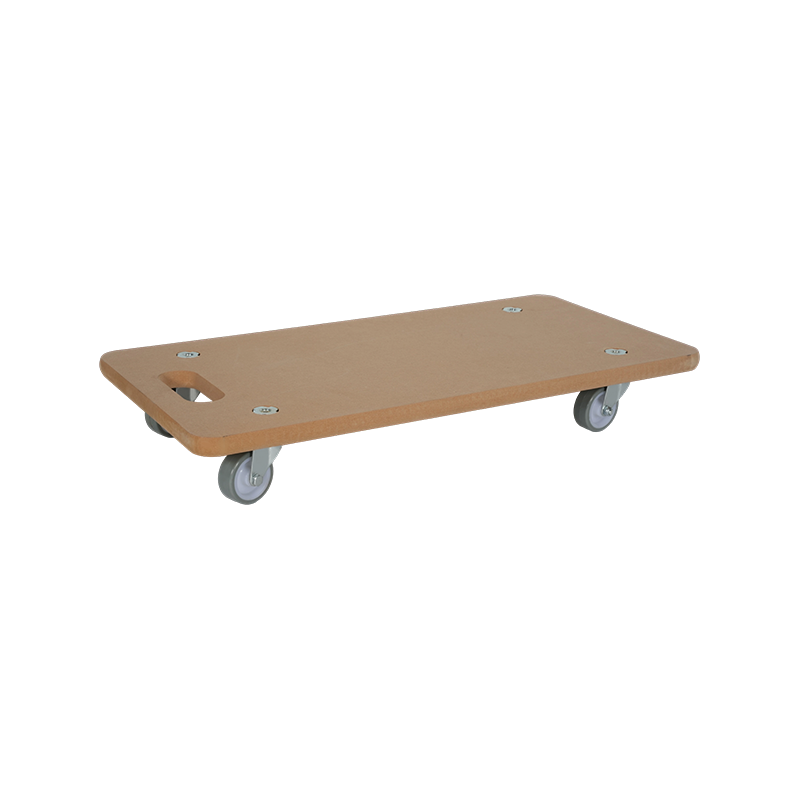
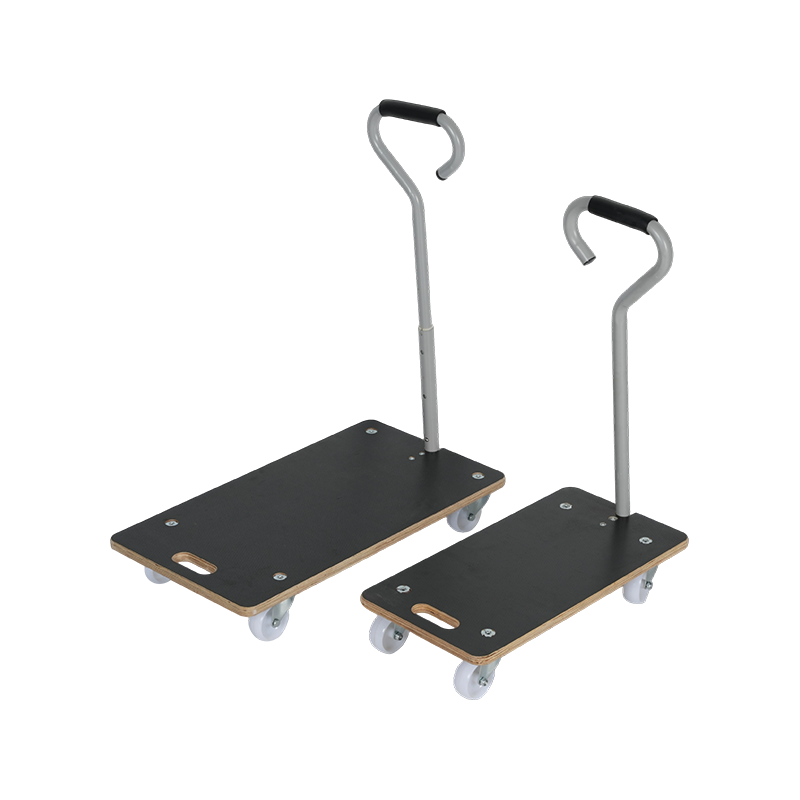
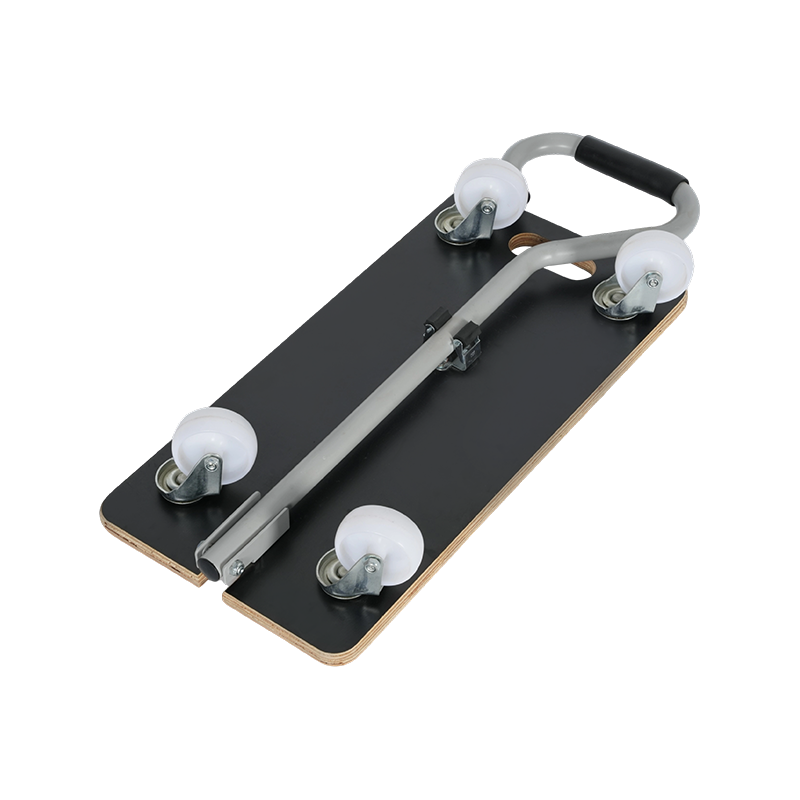
A moving wooden dolly is built as a flat platform supported by wheels underneath. Items are placed directly on the surface and remain supported throughout movement. This structure allows users to move objects without holding them upright.
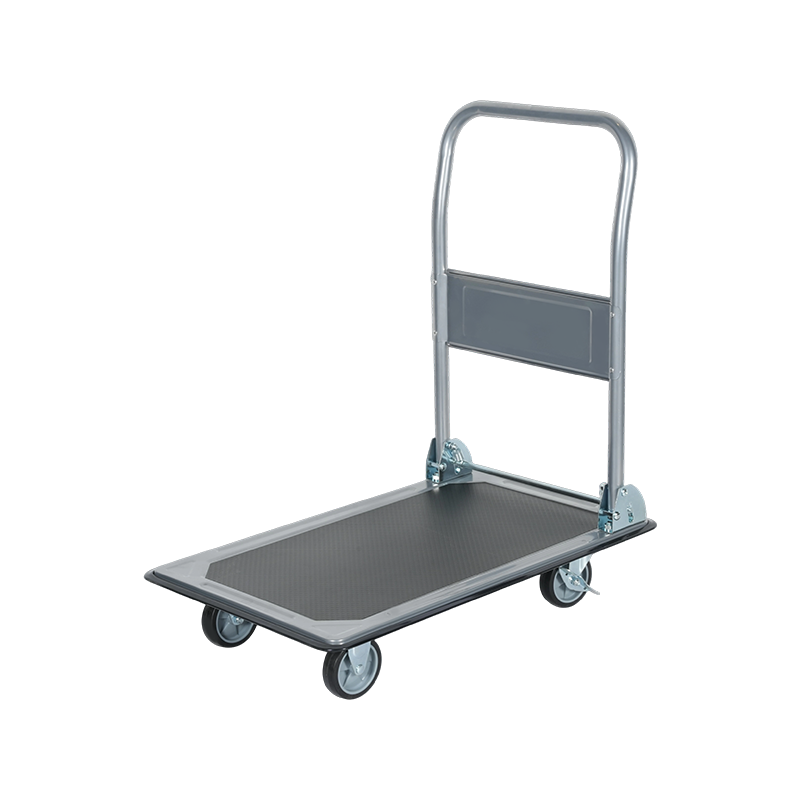
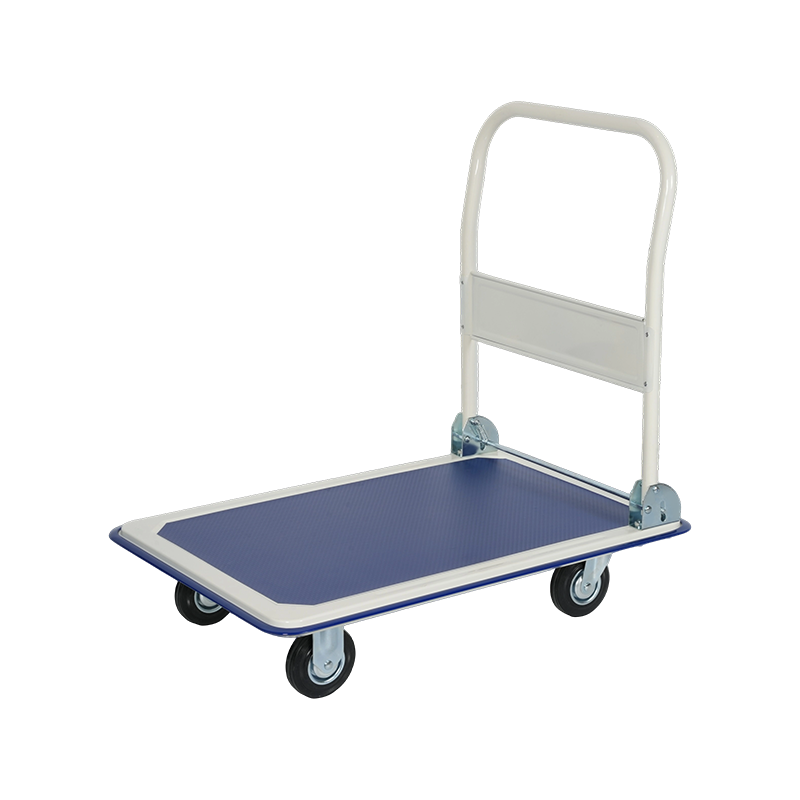
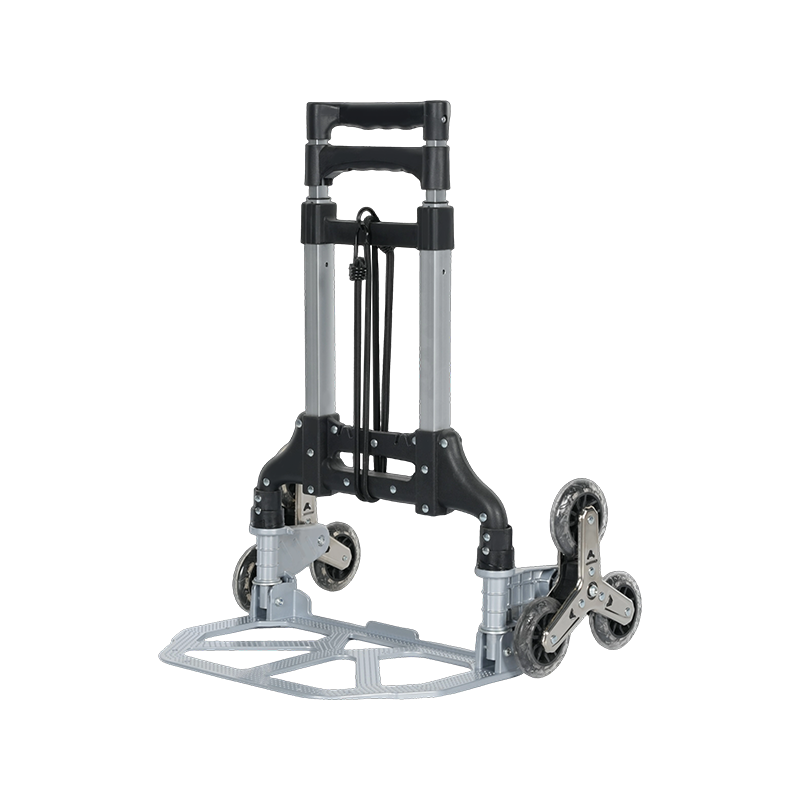
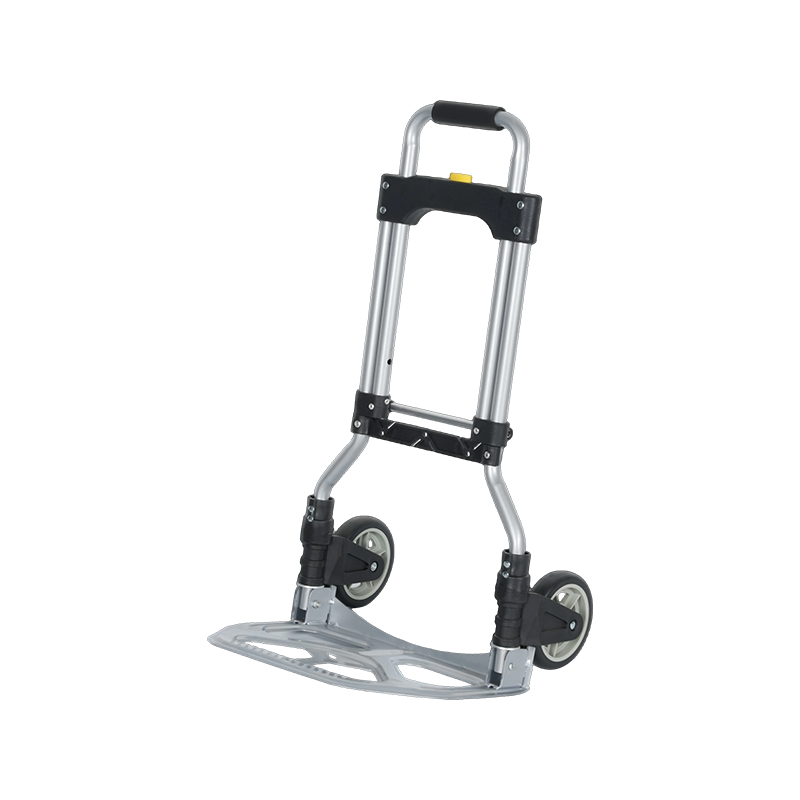
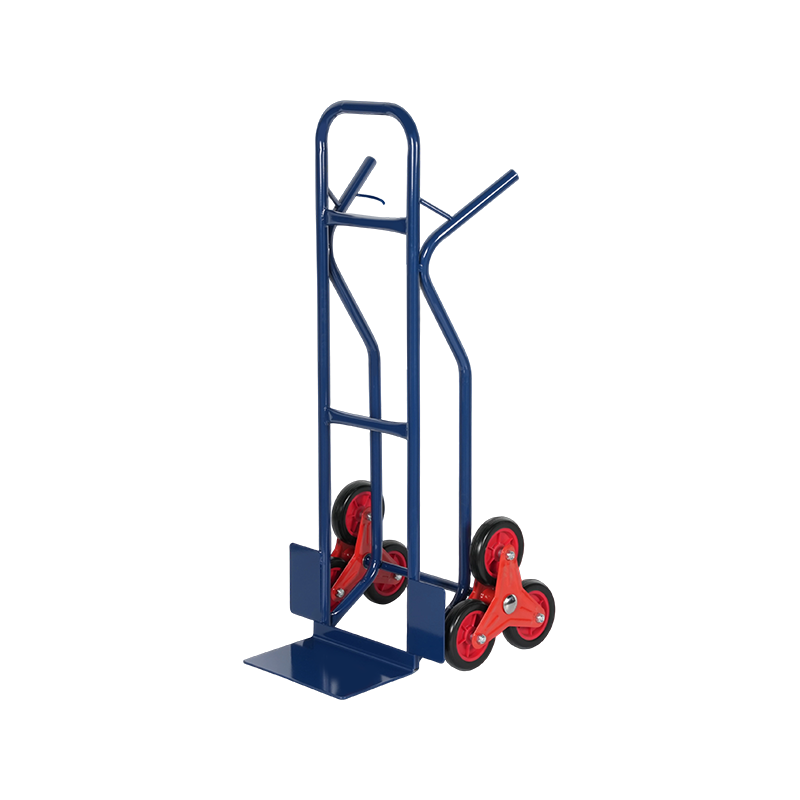
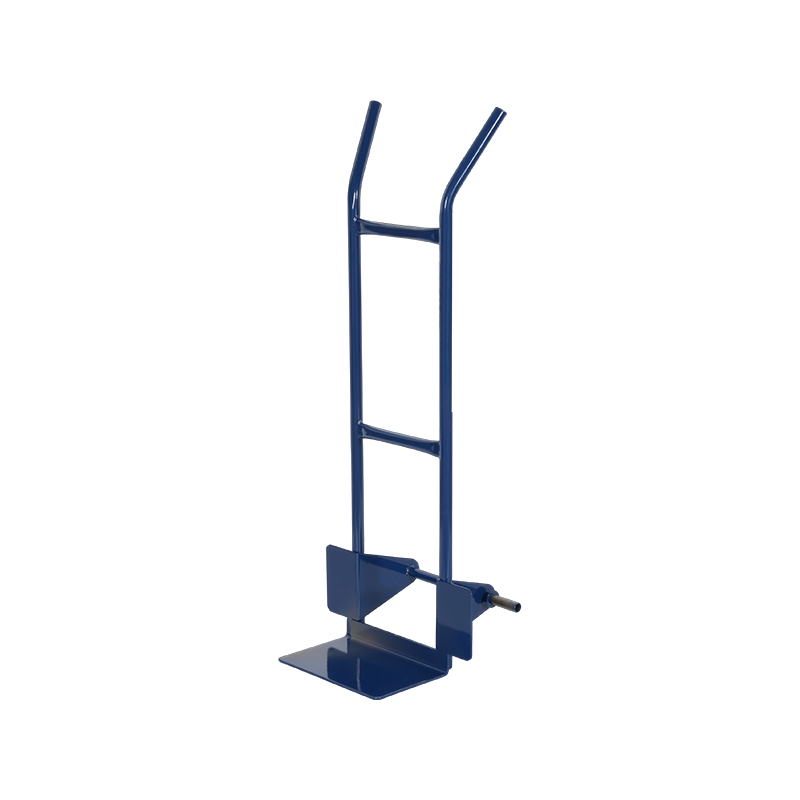
Hand trucks, on the other hand, are designed for vertical handling. Items are leaned against the frame and balanced during transport. The user controls movement by tilting the load and guiding it forward, which requires ongoing balance control.
Household furniture comes in many shapes and sizes. Low-profile items such as cabinets, storage units, or boxed belongings often rest naturally on a wooden dolly. Full surface contact helps keep these items stable during movement across rooms.
Hand trucks are often used for tall or narrow items that can be leaned safely against a frame. However, maintaining balance can become more demanding when navigating corners or passing through doorways in a home environment.
Indoor floors are typically smooth and continuous, making rolling movement easier when items are fully supported. Wooden dollies perform well on flat surfaces because the load remains level and close to the ground.
Hand trucks require controlled tilting during movement. While this works well in open areas, it may require more attention in tight spaces where frequent direction changes are necessary.
Doorways and hallways present common challenges during home moves. The low height of a wooden dolly allows furniture to pass through door frames without significant vertical adjustment. Users can guide the load slowly and make small steering corrections as needed.
Hand trucks may require repositioning or rebalancing when entering narrow spaces. This can interrupt movement and increase the chance of contact with walls or door frames if not carefully managed.
One key difference between the two tools is how physical effort is distributed. Wooden dollies reduce the need for lifting once the item is placed on the platform. Users mainly apply a pushing force to guide the load.
Hand trucks often require lifting at the start and end of movement, as well as continuous balance control. This can feel manageable for short tasks but may influence comfort during repeated use.
Stability is especially important indoors, where sudden shifts can cause contact with surrounding objects. Wooden dollies maintain stability by keeping the load fully supported and centered on the platform.
Hand trucks depend on the user’s ability to maintain balance during turns. While effective with experience, this approach may feel less forgiving in confined home environments.
Storage space is another factor during home moves. Wooden dollies can often be stored flat or stacked when not in use. This makes them easier to place in closets or storage rooms.
Hand trucks usually require upright storage. Although their footprint may be narrow, their height can limit where they can be stored in smaller homes or apartments.
Rather than replacing one tool with another, many users choose based on the task at hand. Wooden dollies are often selected for moving furniture across rooms, while hand trucks may be chosen for transporting items between different floor levels or outdoor areas.
Evaluating the environment, item shape, and movement distance helps users select the tool that feels more natural for each task.
Comparing a moving wooden dolly with a hand truck for home moves highlights functional differences rather than overall preference. Each tool supports different movement styles and household scenarios. By understanding how design, handling, and indoor conditions interact, users can choose the option that aligns with their specific home moving needs.

We sincerely welcome domestic and international customers to visit us and discuss cooperation opportunities!

ykjg@wenlide.com
ykxy@wenlide.com

86-0579-89266926
86-0579-87353489

+86-13735620288
+86-15258987461
+86-13566910892

No. 299, Quanhu Indsutrial Zone, Shizhu Town, Yongkang City, Zhejiang Province, China
Copyright © Yongkang XiangYe Tools Manufacturing Co., Ltd. All Rights Reserved.
Hand Trucks and Transport Trolley Manufacturer



 English
 中文简体
中文简体