
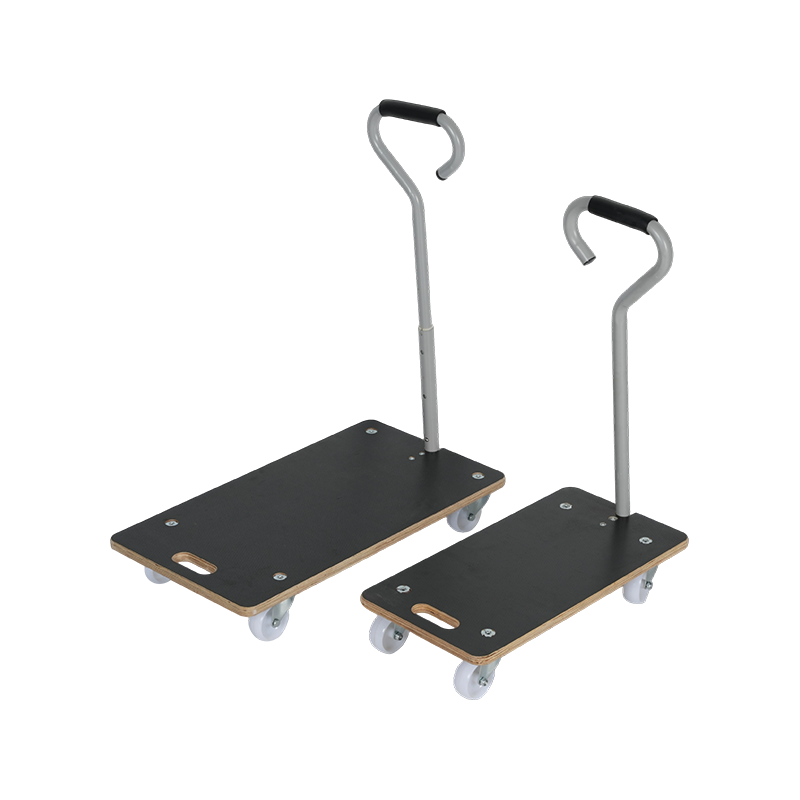
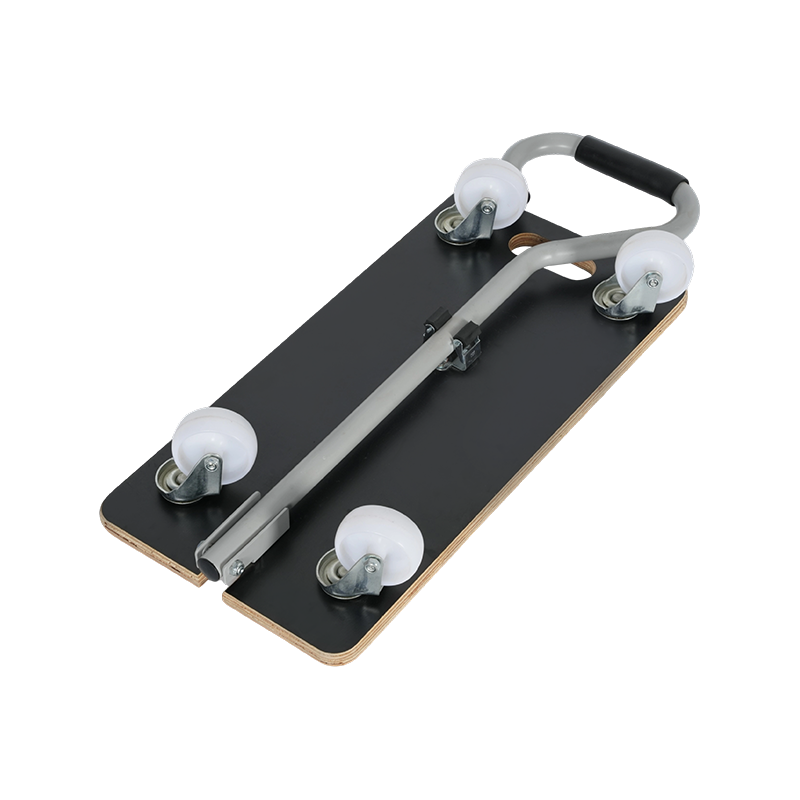
Moving Wooden Dolly solutions are commonly used in indoor transport tasks where smooth movement and surface care are equally important. When people select this type of tool, attention often shifts toward wheel behavior, overall support capability, and how the dolly interacts with different flooring materials. These factors directly influence daily usability, safety, and long-term maintenance of indoor spaces.
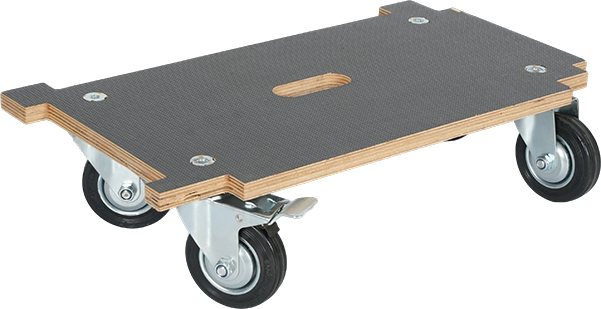
Wheels are the primary connection between a wooden dolly and the floor. Their structure and material affect how the dolly responds to direction changes, turning resistance, and surface contact. In indoor environments, predictable movement is usually valued more than speed, making wheel behavior a central topic of discussion.
Wheel selection can influence how easily the dolly moves across rooms, hallways, and storage areas. A well-matched wheel setup helps users maintain control while transporting furniture or boxed items through confined spaces.
Different wheel materials offer distinct movement characteristics. Softer wheel materials tend to absorb minor floor irregularities, allowing the dolly to roll smoothly across indoor surfaces. This can help reduce vibration and unwanted shifting of the load during movement.
Harder wheel materials often provide firmer contact with the floor. These wheels may roll more freely on smooth surfaces, but can transmit more surface contact force. The choice between softer and firmer wheels is usually guided by the type of floor and the nature of the items being transported.
Wheel movement style also shapes how a wooden dolly performs indoors. Fixed wheels guide movement in a straight path, which can feel stable when moving through open areas. Swivel wheels allow the dolly to change direction without lifting or repositioning the load.
In many indoor situations, swivel wheels support easier navigation around corners and doorways. Their ability to rotate freely helps users make gradual direction changes, which is helpful in narrow spaces where sudden turns may cause contact with walls or furniture.
Instead of focusing on exact weight values, many users evaluate how evenly a dolly supports typical indoor items. A well-supported platform allows the load to rest flat, helping wheels maintain consistent contact with the floor.
When weight is evenly distributed, the dolly tends to roll more smoothly and respond better to directional changes. Uneven placement can increase rolling resistance and make steering less predictable, especially on smooth indoor floors.
Load support and wheel performance are closely linked. When the platform supports items evenly, each wheel carries a balanced share of the load. This balance helps reduce localized pressure on floors and supports steady movement.
If the load shifts during transport, wheel contact can become uneven. This may increase surface friction or cause slight dragging, which can affect both movement control and floor appearance.
Indoor flooring often requires careful handling during moving tasks. Wood, tile, laminate, and composite surfaces can all respond differently to rolling contact. Wheel material and cleanliness play an important role in maintaining floor condition.
Softer wheel materials generally help reduce visible surface marks. Clean wheels are equally important, as small debris caught in wheel surfaces can leave marks during movement. Regular inspection supports both dolly performance and floor care.
Controlled movement helps protect indoor floors. Gradual starts and stops reduce lateral stress on wheel contact points. Slow direction changes allow wheels to adjust smoothly without dragging.
Some users also plan movement paths, clearing obstacles, and identifying narrow passages. This preparation reduces sudden adjustments that may affect floor surfaces.
Indoor environments vary widely, from residential rooms to office interiors and storage areas. Wooden dollies with suitable wheel configurations can adapt to these spaces when used thoughtfully.
Matching wheel characteristics with floor type and movement style supports consistent performance across different rooms. This adaptability is one reason wooden dollies are often chosen for indoor transport tasks.
Wheel types, load support, and floor protection are closely connected when using a moving wooden dolly indoors. Understanding how wheels interact with floors and how loads influence movement helps users maintain control while preserving surface condition. With appropriate wheel selection and careful handling, wooden dollies support smooth and reliable indoor transport.


We sincerely welcome domestic and international customers to visit us and discuss cooperation opportunities!

ykjg@wenlide.com
ykxy@wenlide.com

86-0579-89266926
86-0579-87353489

+86-13735620288
+86-15258987461
+86-13566910892

No. 299, Quanhu Indsutrial Zone, Shizhu Town, Yongkang City, Zhejiang Province, China
Copyright © Yongkang XiangYe Tools Manufacturing Co., Ltd. All Rights Reserved.
Hand Trucks and Transport Trolley Manufacturer



 English
 中文简体
中文简体