
Moving Wooden Dolly solutions are widely discussed in the context of daily moving tasks, especially in indoor environments where controlled movement and surface protection are important. Rather than focusing only on appearance, users often pay close attention to structural details that affect handling, stability, and long-term usability. Understanding how design elements influence everyday performance helps users choose tools that align with real working conditions.
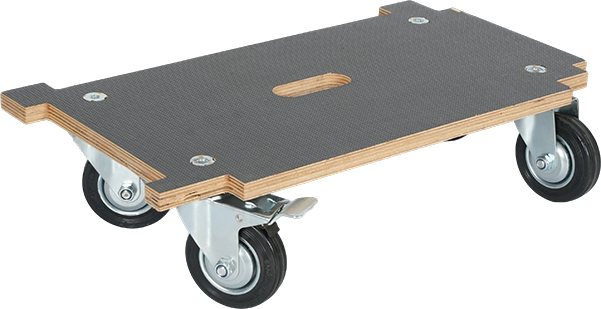
Daily moving tasks often involve repeated motion, tight spaces, and varied load shapes. A wooden dolly used in these situations must balance durability with ease of handling. Design features determine how smoothly the dolly performs across rooms, corridors, and storage areas, particularly when users need consistent and predictable movement.
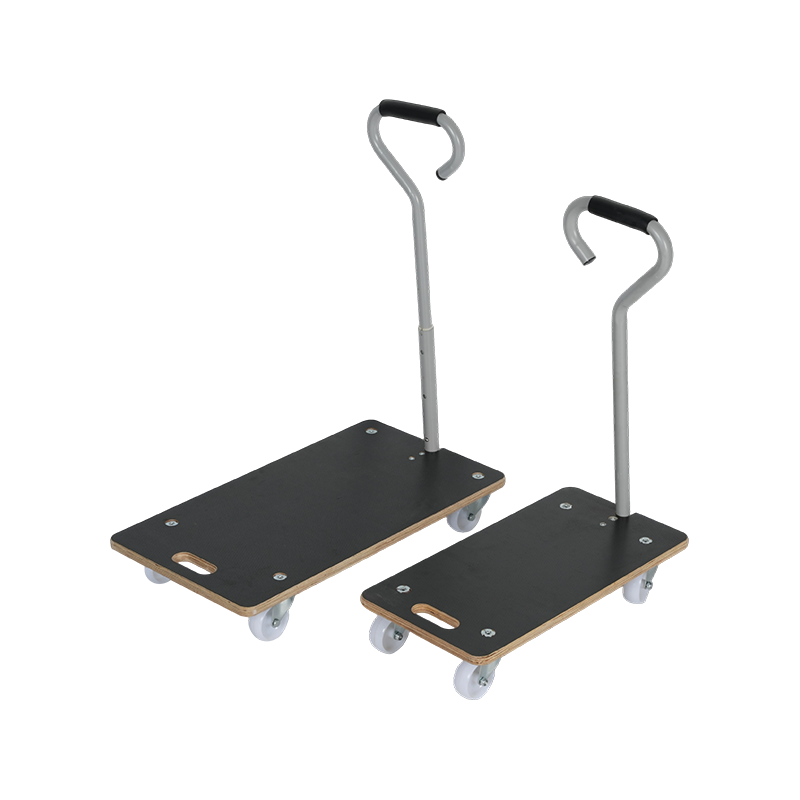
The platform is the foundation of a moving wooden dolly. Wood-based platforms are commonly selected for their balance between strength and surface friendliness. Thicker panels often provide better resistance to bending during routine use, while layered construction supports weight distribution across the entire surface.
Surface texture also matters in daily tasks. A slightly textured platform can help keep furniture or cartons in place during movement, reducing the need for constant adjustment. Flat surfaces without sharp edges are commonly preferred, as they reduce the chance of damaging items during loading or unloading.
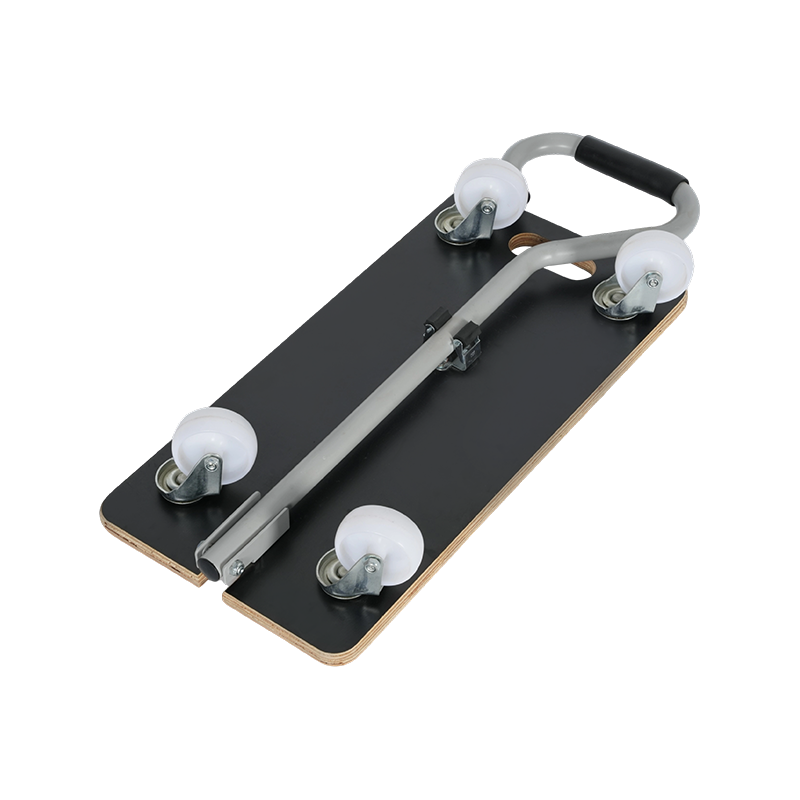
Wheel placement plays a major role in how a dolly behaves during movement. A balanced wheel layout allows the dolly to remain steady when changing direction. Swivel-style wheels are often chosen for indoor tasks because they support directional changes without lifting or repositioning the load.
The spacing between wheels affects how the weight is spread across the platform. When wheels are positioned closer to the edges, the dolly may feel more stable during turns. In daily tasks, predictable motion is often valued more than speed, making wheel alignment a key design consideration.
Edge construction is often overlooked, yet it strongly influences daily usability. Rounded edges can help prevent accidental contact damage to walls, furniture legs, or door frames. Smooth edges also make it easier for users to grip the platform when repositioning the dolly by hand.
In environments where dollies are moved frequently between rooms, edge design contributes to safer handling. Reduced snagging and smoother transitions help users maintain steady movement without sudden stops.
Design features related to load support affect how easily items remain balanced during transport. A flat and evenly supported platform helps prevent tilting when items are placed off-center. For daily tasks, consistent balance reduces the need for repeated corrections and adjustments.
Users often consider whether the dolly supports the use of straps or auxiliary tools. Design elements that allow compatibility with such accessories can increase versatility without altering the basic structure.
When not in use, storage efficiency becomes another design-related factor. Flat wooden dollies can often be stacked or stored vertically without occupying excessive space. Lightweight handling characteristics also support quick relocation between work areas.
Design features directly influence how a moving wooden dolly performs in daily moving tasks. Platform construction, wheel placement, edge design, and handling comfort all contribute to steady and controlled operation. By understanding these elements, users can better align design characteristics with everyday movement needs.


We sincerely welcome domestic and international customers to visit us and discuss cooperation opportunities!

ykjg@wenlide.com
ykxy@wenlide.com

86-0579-89266926
86-0579-87353489

+86-13735620288
+86-15258987461
+86-13566910892

No. 299, Quanhu Indsutrial Zone, Shizhu Town, Yongkang City, Zhejiang Province, China
Copyright © Yongkang XiangYe Tools Manufacturing Co., Ltd. All Rights Reserved.
Hand Trucks and Transport Trolley Manufacturer



 English
 中文简体
中文简体