
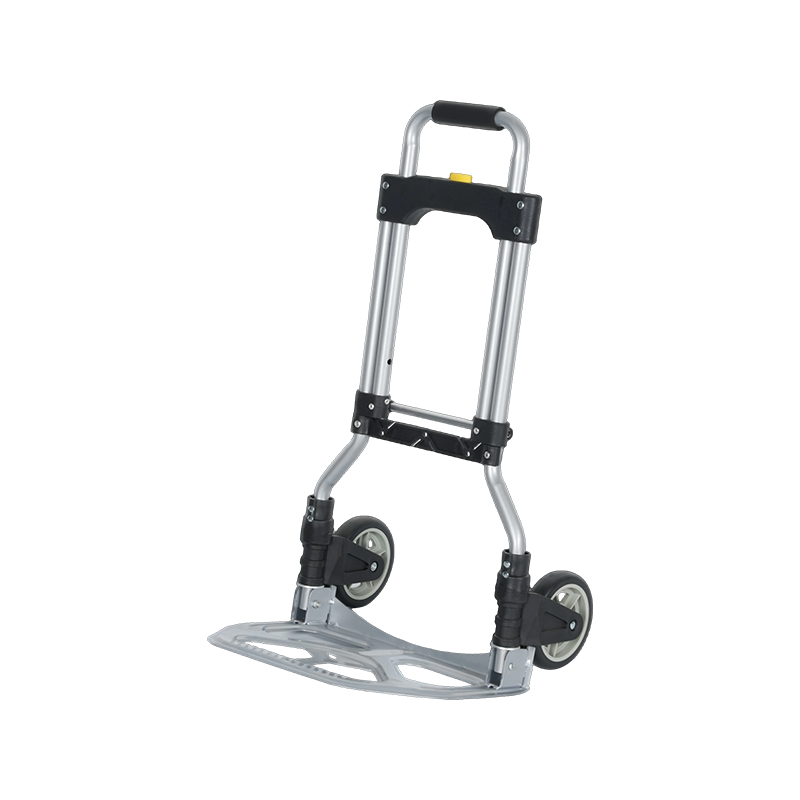
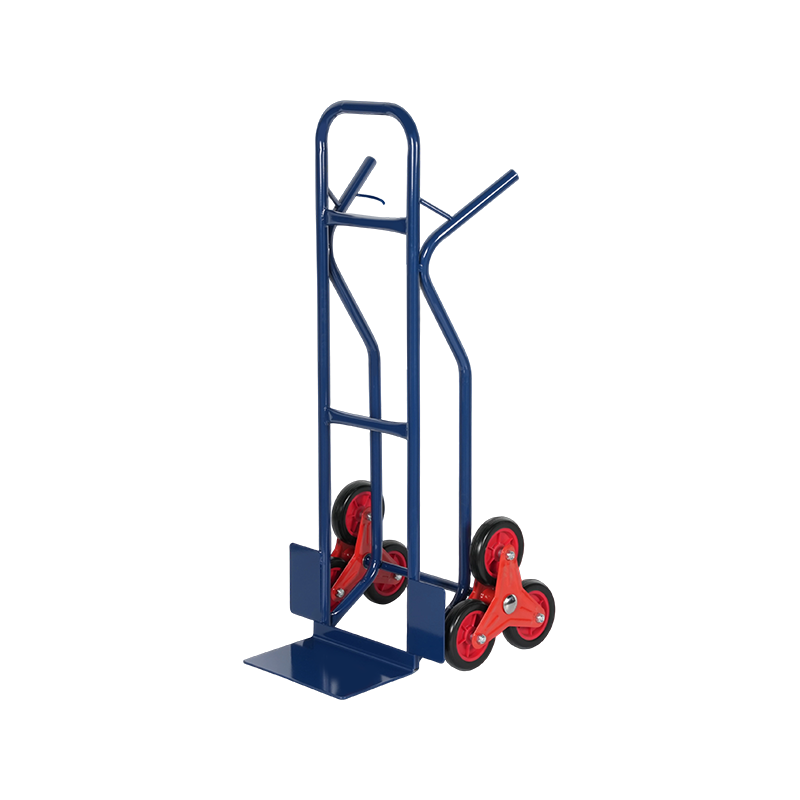
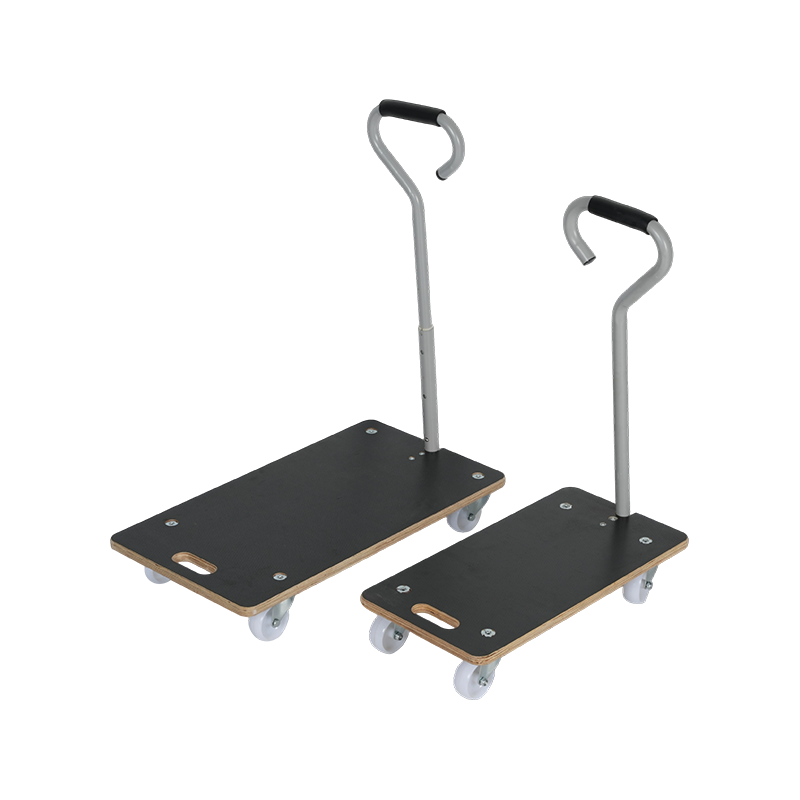
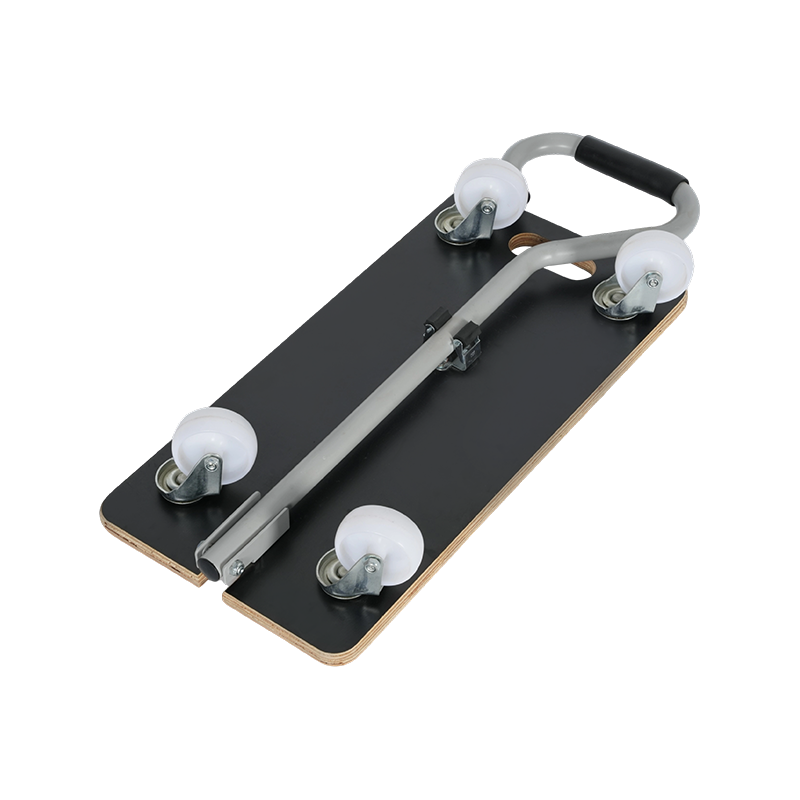
With a variety of models available, selecting a cart can feel overwhelming. Features, sizes, and designs differ, and a choice that works for one person might not suit another. The goal is to find a cart that feels like a natural fit for your specific needs. This guide focuses on the Tools Foldable Push Cart Dolly category and outlines a thoughtful process for selection. By breaking down the decision into key considerations, you can identify the cart that will become a useful tool rather than an underused item taking up space.
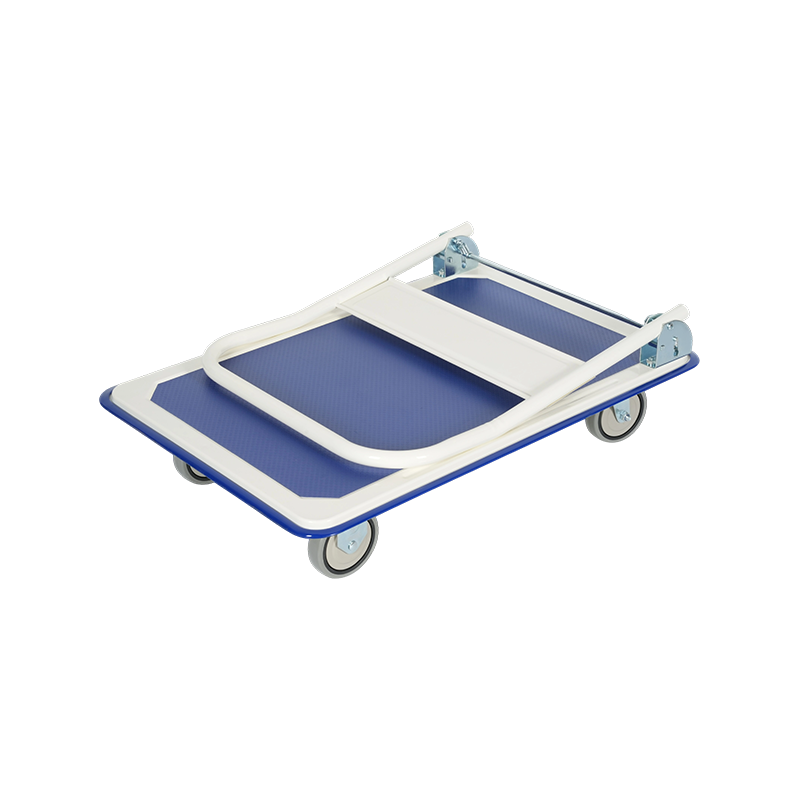
Once you know the primary mission, examine how different design aspects meet that need.
How the cart feels in use affects long-term satisfaction.
Avoid choosing based on a single factor. A very lightweight cart might not be sturdy enough for your loads; a cart with a huge capacity might be overbuilt and cumbersome for your needs. Balance is key. Read reviews from users with similar applications to see how carts perform in real-world conditions over time. Remember, the right cart is the one you will use frequently because it reliably makes a common task simpler.
Choosing a Tools Foldable Push Cart Dolly is an investment in making physical tasks more manageable. By systematically considering your primary use, the functional design of the cart, and the ergonomic details, you move beyond guesswork. This process leads you to a tool that aligns with your environment and habits. The correct choice won't just sit in your garage; it will become a trusted part of your routine, quietly proving its worth every time you have something to move.
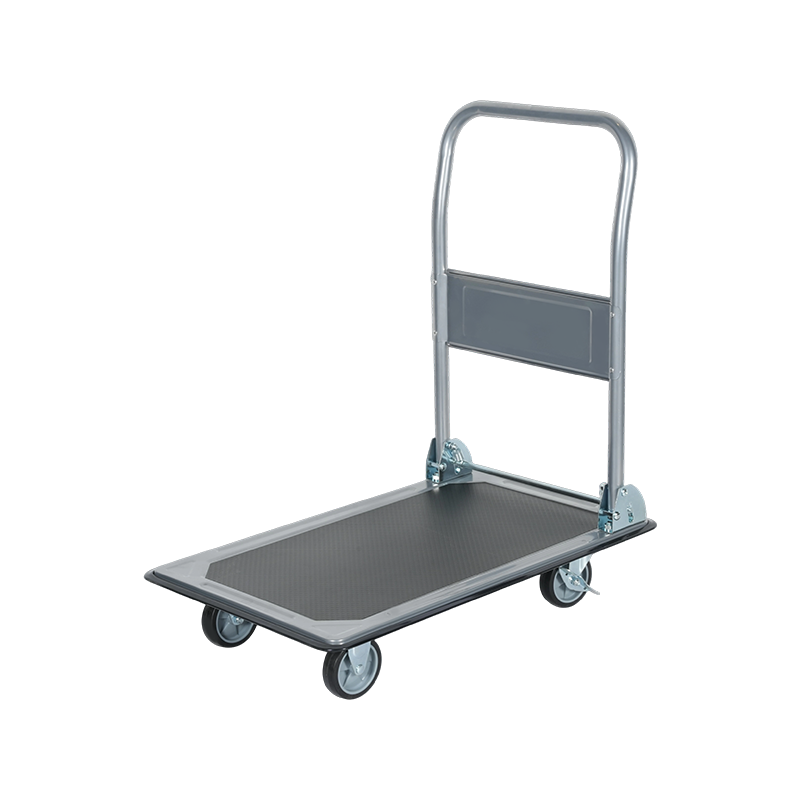
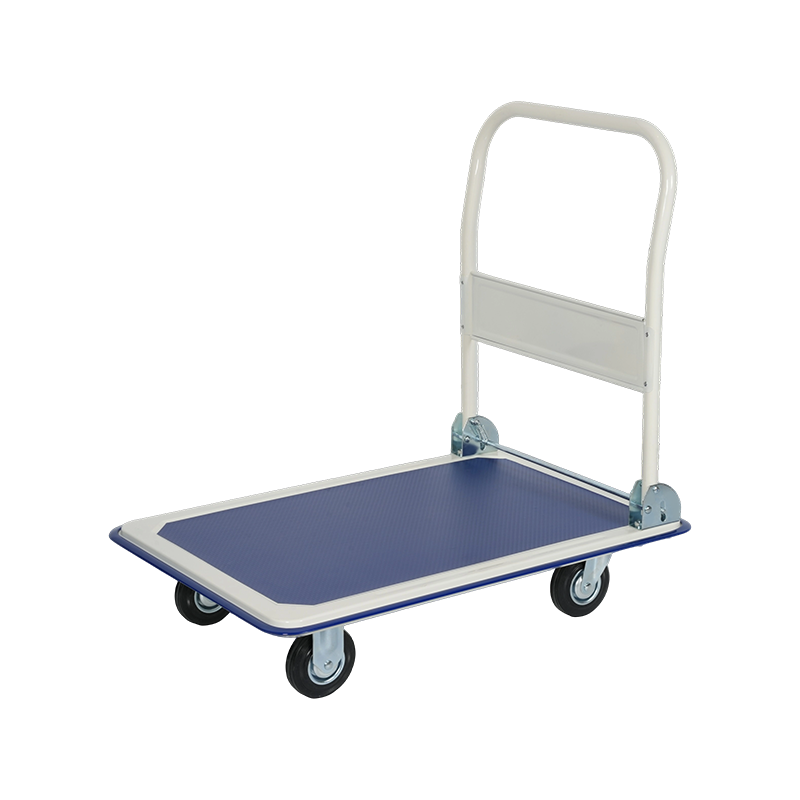
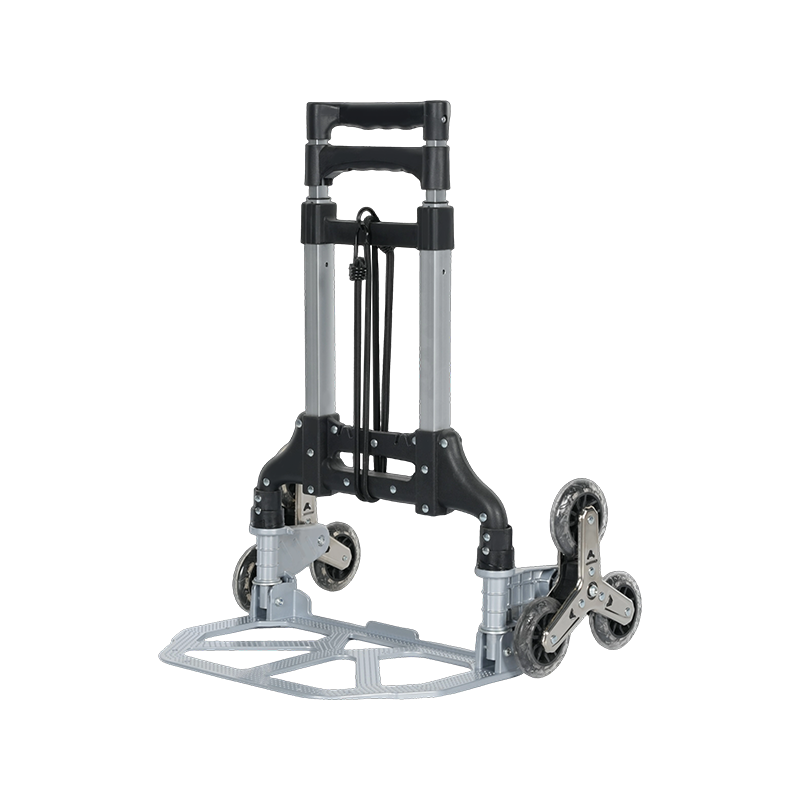


We sincerely welcome domestic and international customers to visit us and discuss cooperation opportunities!

ykjg@wenlide.com
ykxy@wenlide.com

86-0579-89266926
86-0579-87353489

+86-13735620288
+86-15258987461
+86-13566910892

No. 299, Quanhu Indsutrial Zone, Shizhu Town, Yongkang City, Zhejiang Province, China
Copyright © Yongkang XiangYe Tools Manufacturing Co., Ltd. All Rights Reserved.
Hand Trucks and Transport Trolley Manufacturer



 English
 中文简体
中文简体