
A large ceramic pot weighs 50 kilos. Wet soil adds more. You cannot lift it. You drag it. The floor scratches. Your back hurts. A plant caddy WPC solves this. Slide the caddy under the pot. The pot rests on the caddy. The wheels roll. You move the pot anywhere. No lifting. No dragging. Here is what buyers look for.
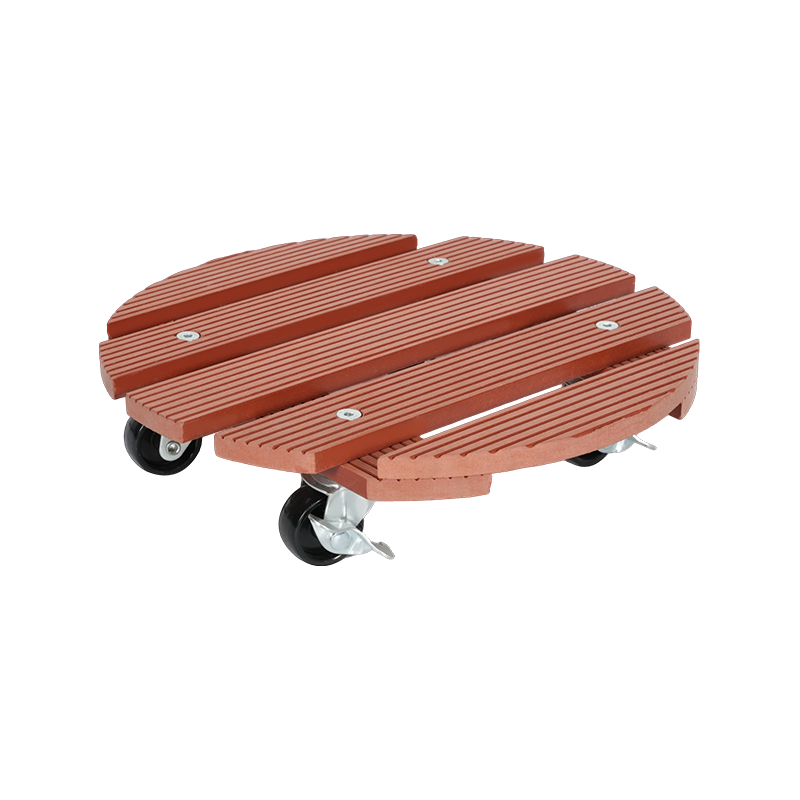
The caddy sits under the pot and rolls on casters
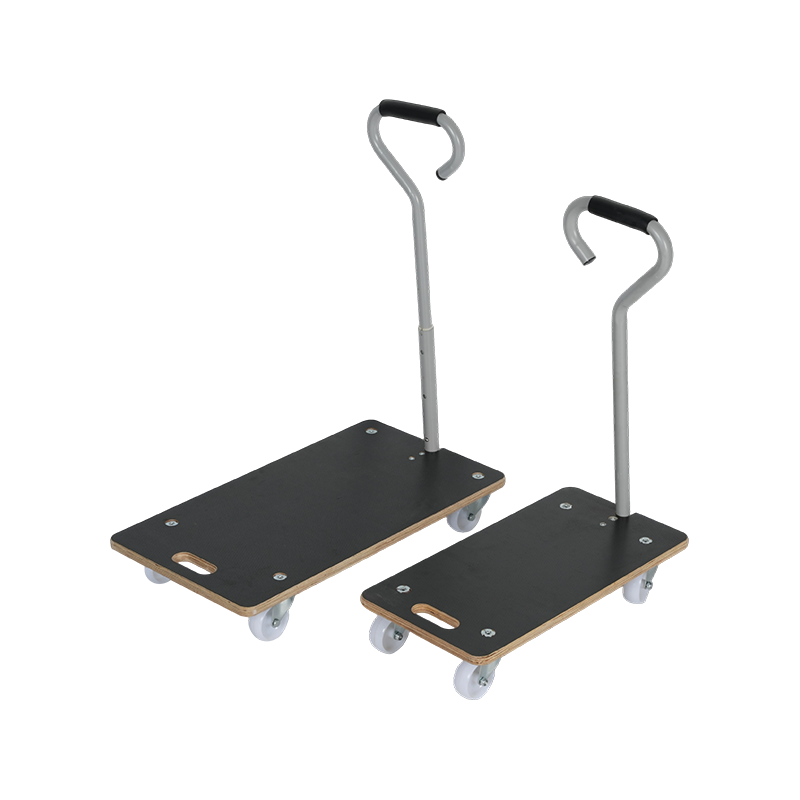
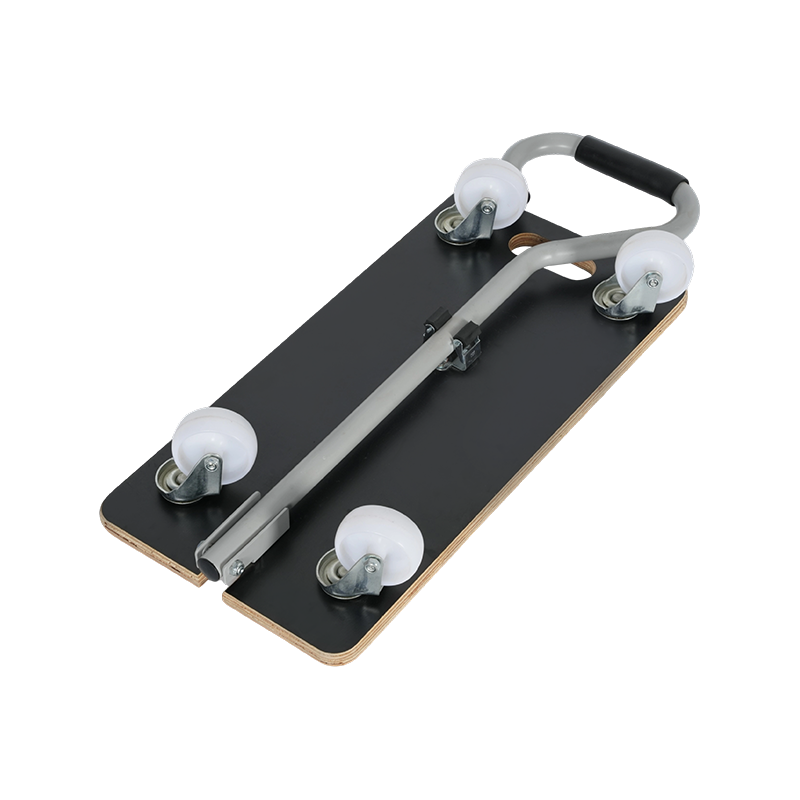
A plant caddy WPC is a flat platform with wheels. You tilt the pot. Slide the caddy underneath. Lower the pot. The pot sits on the caddy. The wheels take the weight. You push. The pot moves. The floor stays clean. Your back stays straight.
WPC stands for Wood Plastic Composite. The material is a mix of wood fiber and plastic. It looks like wood. It does not rot like wood. It does not crack like plastic. It handles moisture from watering.
The wheels swivel for easy turning
The caddy has four casters. Two fixed. Two swivel. Or all four swivel. A plant caddy WPC with swivel casters turns in any direction. You move the pot around furniture. Through doorways. Into corners.
Some casters have brakes. Lock the wheel. The pot stays put. It does not roll away on a sloped floor.
WPC resists moisture and rot
Wood rots. Water from the pot soaks into a wood caddy. The wood swells. It cracks. It falls apart. A plant caddy WPC has wood fiber inside. The plastic surrounds the fiber. Water does not soak in. The caddy stays solid.
Plastic caddies crack. Sunlight makes them brittle. Drop a plastic caddy. It shatters. WPC is tougher. It bends before it breaks.
WPC looks like wood, but lasts like plastic
A plant caddy WPC has the warm look of wood. It fits in a garden or on a patio. Plastic looks cheap. Wood looks nice but rots. WPC is the middle ground. Good looks. Long life.
Here is how materials compare for plant caddies:
Size matches the pot diameter
A plant caddy WPC needs to be slightly larger than the pot base. Too small, and the pot tips. Too large, and the caddy sticks out. People trip.
Standard sizes: 10 inches for small pots. 12 inches for medium. 14 inches for large. 16 inches for extra large. Measure the pot base before buying.
Weight capacity handles the pot plus wet soil
A dry pot weighs less. Wet soil adds weight. A plant caddy WPC rated for 100 kilos handles many large pots. A 200-kilo rating handles giant pots and tree planters.
Here is what weight capacity means:
Wheel quality affects rolling ease
Small hard wheels get stuck on carpet edges. They scratch wood floors. A plant caddy WPC with soft rubber wheels rolls quietly. It does not scratch.
Large wheels roll over bumps. A 3-inch wheel rolls over a door threshold. A 2-inch wheel gets stuck.
Here is what wheel material does:
The caddy cracks under the pot weight
Thin plastic. The plant caddy WPC looks fine. Put a heavy pot on it. The center bows. The caddy cracks. The pot tips. Soil spills.
The wheels break off
Plastic wheel housings. The plant caddy WPC hits a bump. The housing snaps. The wheel rolls away. The caddy drags on the floor.
The caddy scratches the floor
Hard plastic wheels. No soft tread. The plant caddy WPC leaves marks on wood floors. The homeowner is angry.
The caddy rusts
Metal casters. Cheap plating. The plant caddy WPC gets wet from watering. The casters rust. The wheels do not turn. The caddy drags.
A plant caddy WPC saves your back. One pot might weigh 50 kilos. You move it once a week to clean underneath. Or you move it seasonally to follow the sun. Each time, the caddy does the work.
Look for WPC material. It resists moisture. It looks good. Size the caddy to your pot. Get weight capacity for wet soil. Soft rubber wheels for indoor use. Large wheels for outdoor use over bumps.
A cheap caddy cracks. Wheels break. Casters rust. The pot tips. Soil spills. The plant dies. Not worth it.
A good caddy costs more. It lasts for years. It moves heavy pots without effort. Your back stays healthy. Your floors stay scratch-free. Your plants get better light. They grow better.
For anyone with large potted plants, a plant caddy WPC is not a luxury. It is a tool. A good one makes plant care easier. A bad one adds frustration. Choose wisely. Your back will thank you. Your plants will show the difference.

We sincerely welcome domestic and international customers to visit us and discuss cooperation opportunities!

ykjg@wenlide.com
ykxy@wenlide.com

86-0579-89266926
86-0579-87353489

+86-13735620288
+86-15258987461
+86-13566910892

No. 299, Quanhu Indsutrial Zone, Shizhu Town, Yongkang City, Zhejiang Province, China
Copyright © Yongkang XiangYe Tools Manufacturing Co., Ltd. All Rights Reserved.
Hand Trucks and Transport Trolley Manufacturer



 English
 中文简体
中文简体