
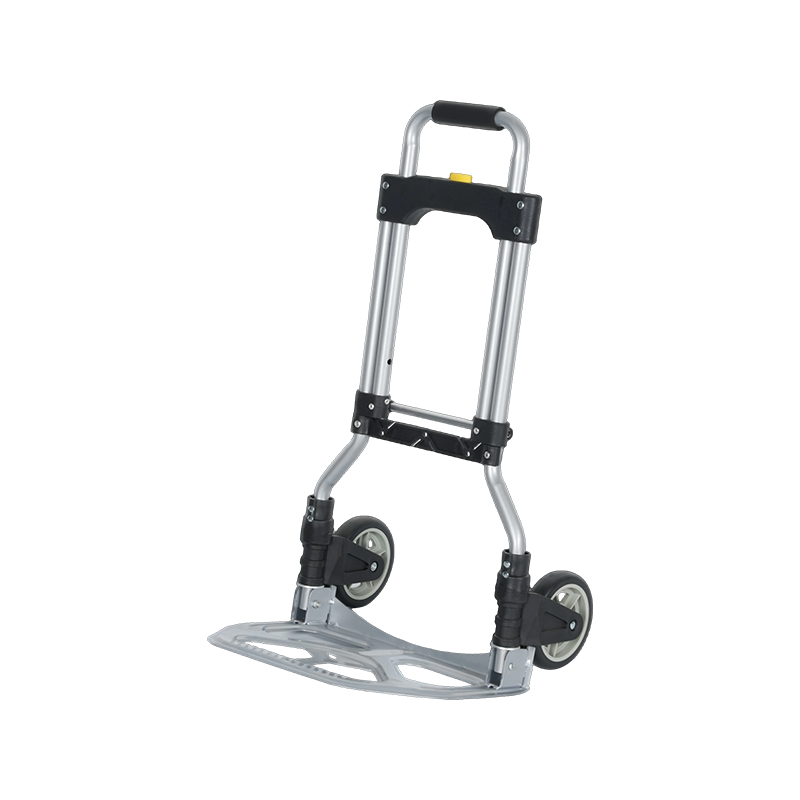
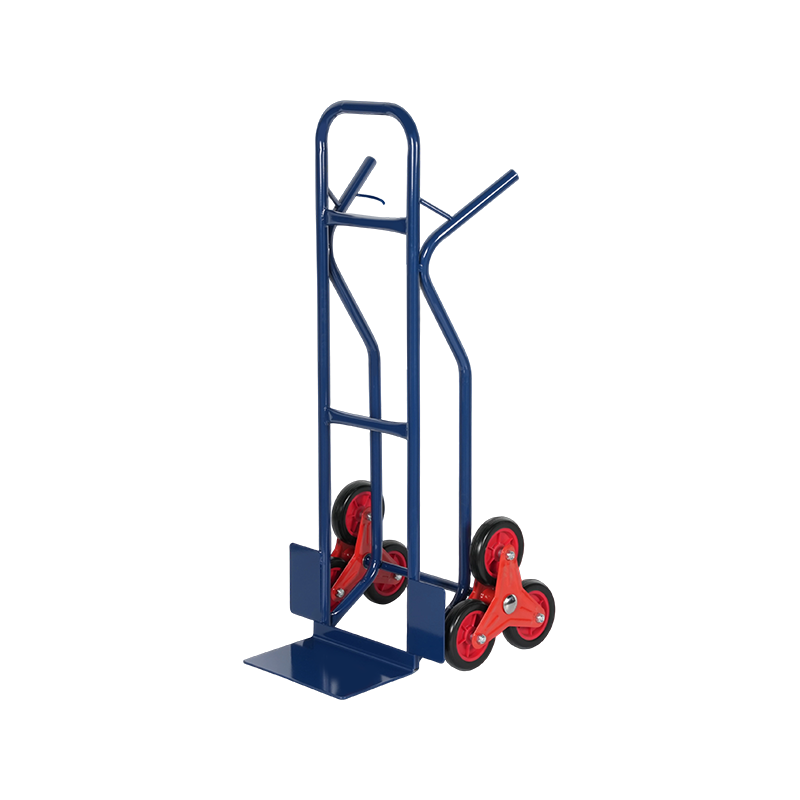
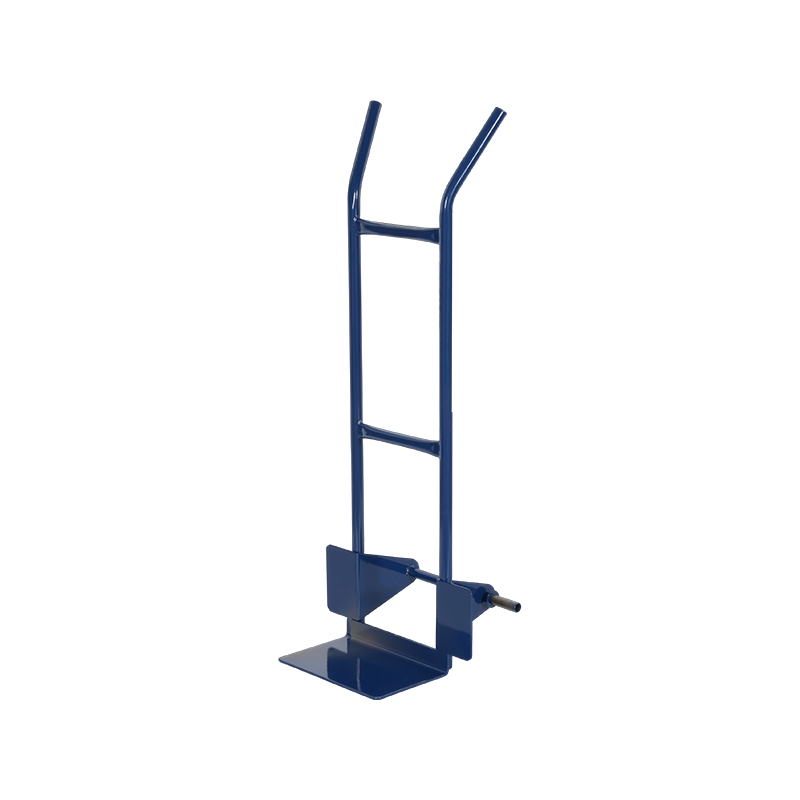
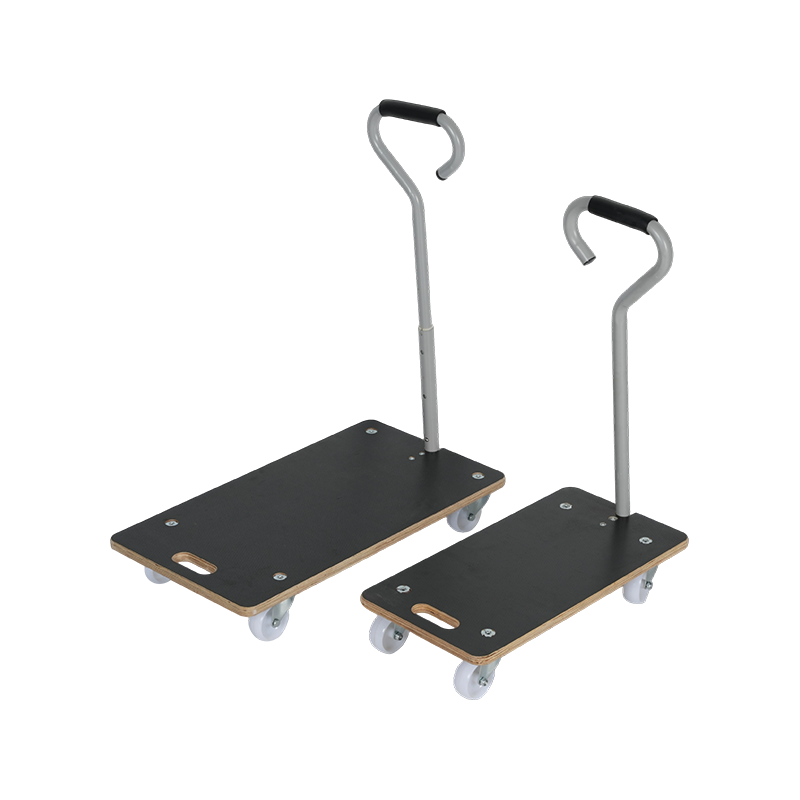
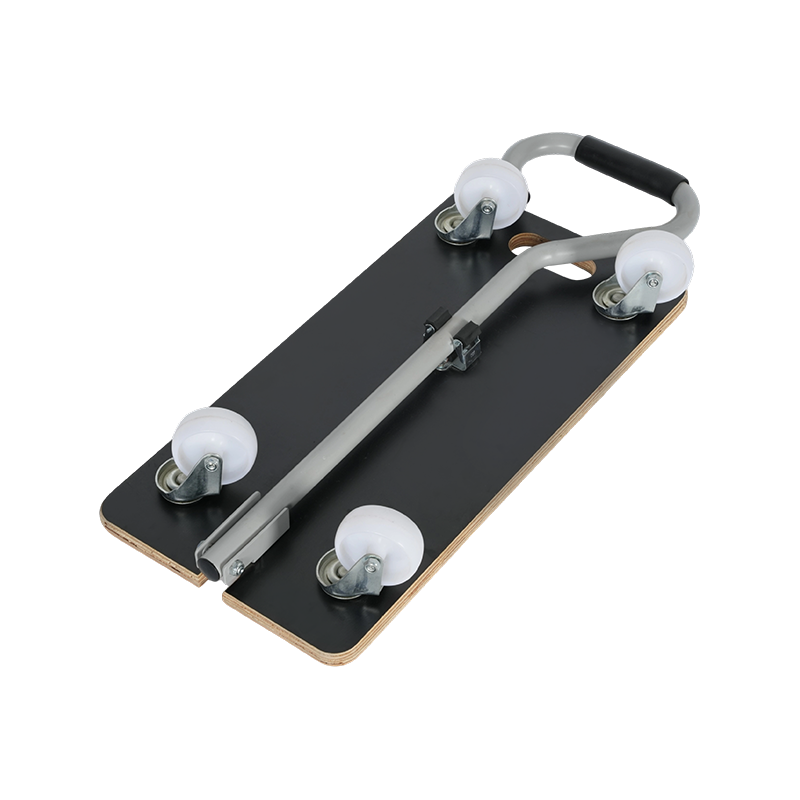
A regular hand truck stands upright. It has two wheels and a lip at the bottom. You tilt it back. The load rests against the frame. Works fine for boxes. Does not work for a stack of loose bricks or a heavy potted tree. A platform hand dolly is different. Flat base. Four wheels. Load sits on top. You push, not tilt.
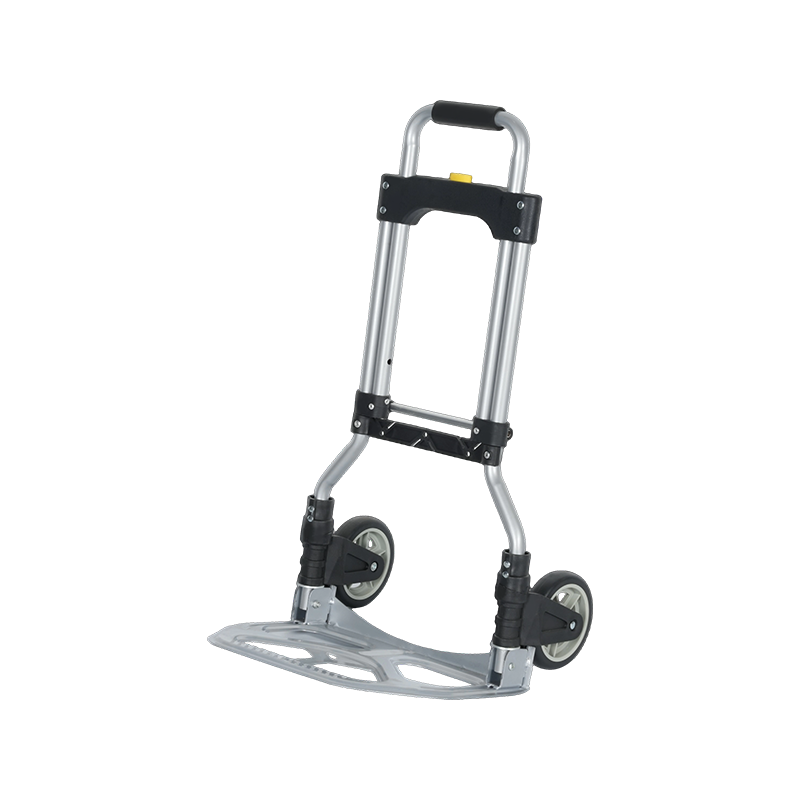
The flat platform handles loads that cannot tilt
A regular hand truck needs the load to lean back. A refrigerator leans. A box leans. A stack of lumber does not lean. It slides off. A platform hand dolly has a flat deck. The load sits flat. No leaning. No sliding.
Loose items like bricks, bags of soil, or firewood stay on the platform. They would fall off a regular hand truck.
The four wheels make the dolly stable when parked
A regular hand truck has two wheels. You let go. It falls over. A platform hand dolly has four wheels. It stands on its own. You load it. You walk away. It stays put. The load does not tip.
This matters when loading a truck. You put the dolly down. You lift the load onto the platform. You do not hold the dolly while loading.
Moving stacks of boxes or bins
A warehouse stacks boxes on pallets. A regular hand truck moves one box at a time. A platform hand dolly carries a stack. Load the stack onto the platform. Push. The whole stack moves together.
Gardening and landscaping
Bags of soil. Mulch. Rocks. A regular hand truck carries one bag. A platform hand dolly carries four bags. Stack them. Strap them. Push. Fewer trips.
Moving furniture and appliances
A refrigerator goes on a regular hand truck. A bookshelf does not. The shelf is wide. The regular hand truck tilts it. The books fall off. A platform hand dolly carries the bookshelf flat. Strap it down. Push it upright.
Here is where a platform hand dolly is the right tool:
Deck size matches your typical load
Small platform hand dolly units are 18 by 24 inches. Good for boxes and bins. Large units are 24 by 36 inches. Good for furniture and appliance cartons.
The deck needs to be big enough for your load. Not too big that it is hard to maneuver.
Weight capacity handles the heaviest load
A platform hand dolly rated for 500 pounds moves boxes. 1,000 pounds moves furniture and appliances. 1,500 pounds moves industrial loads.
Here is what weight ratings are good for:
Wheel size and material affect maneuverability
Small hard wheels are cheap. They get stuck on cracks. A platform hand dolly with 3-inch hard wheels is fine on smooth concrete. On carpet or gravel, it struggles.
Large rubber wheels roll over bumps. A 5-inch or 6-inch wheel clears door thresholds. It rolls on grass. It does not scratch floors.
Here is what wheel material and size do:
Handle type for pushing and pulling
A platform hand dolly needs a handle. Some have a fixed handle sticking up from the deck. Good for pushing. Awkward for pulling.
Some have a folding handle. Push when you load. Fold it down. The dolly stores flat.
Some have no handle. You push the load directly. Works for stable stacks. Not for loose items.
The deck bends under load
Thin steel or cheap plastic. A platform hand dolly with a weak deck flexes. The load shifts. The dolly tips.
The wheels crack
Hard plastic wheels. Load the dolly. Hit a bump. The wheel cracks. The dolly stops rolling.
The handle breaks
The handle is welded or bolted to the deck. Cheap welds break. Cheap bolts loosen. The handle falls off.
The caster bolts loosen
Four wheels. Each wheel bolts to the deck. Vibration loosens the bolts. A platform hand dolly with loose wheels wobbles. The load tips.
A platform hand dolly is not for every job. A regular hand truck works for tall boxes and appliances. The platform dolly is for loads that sit flat.
Choose deck size for your typical load. Weight capacity for the heaviest. Large rubber wheels for maneuverability. Folding handle for storage.
A cheap dolly bends. Wheels crack. Bolts loosen. The load tips. You buy another.
A good dolly costs more upfront. It lasts for years. The deck stays flat. The wheels roll smooth. The handle stays attached.
For warehouses, landscaping, moving, and home use, a platform hand dolly saves time. Fewer trips. Easier loading. Less strain on your back.
Buy the good one. Your loads will move easier. Your back will feel better. Your work will go faster. That is the point of a dolly. To make moving heavy things easier. A good platform dolly does that. A cheap one does not. Choose wisely.
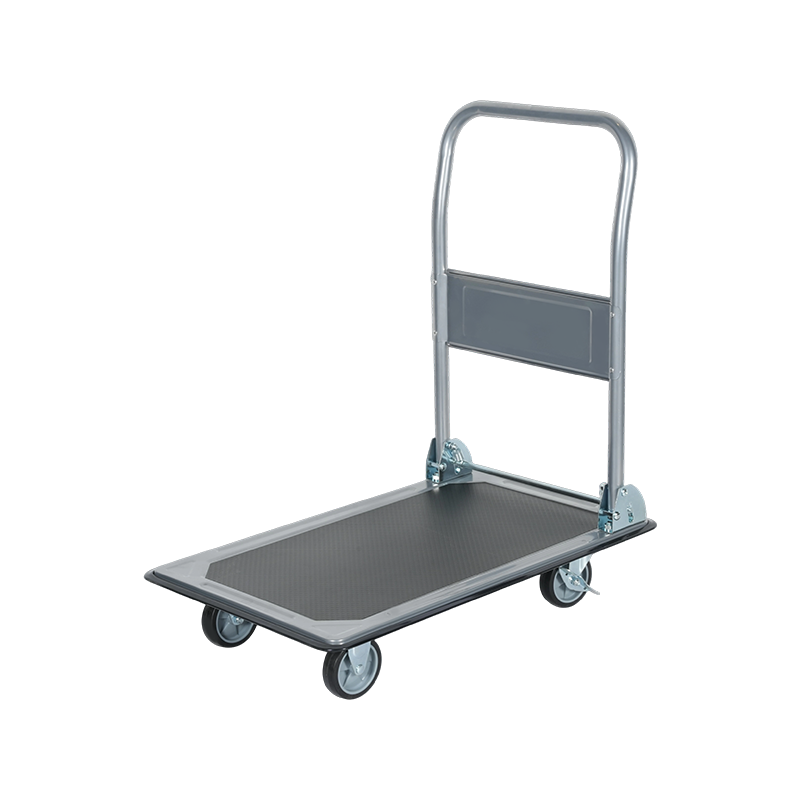
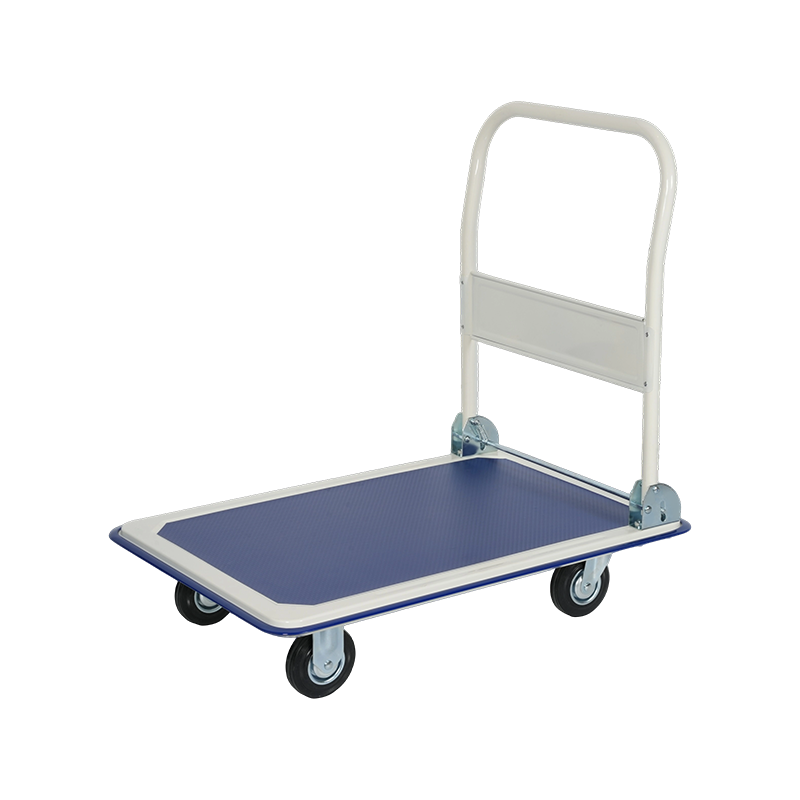
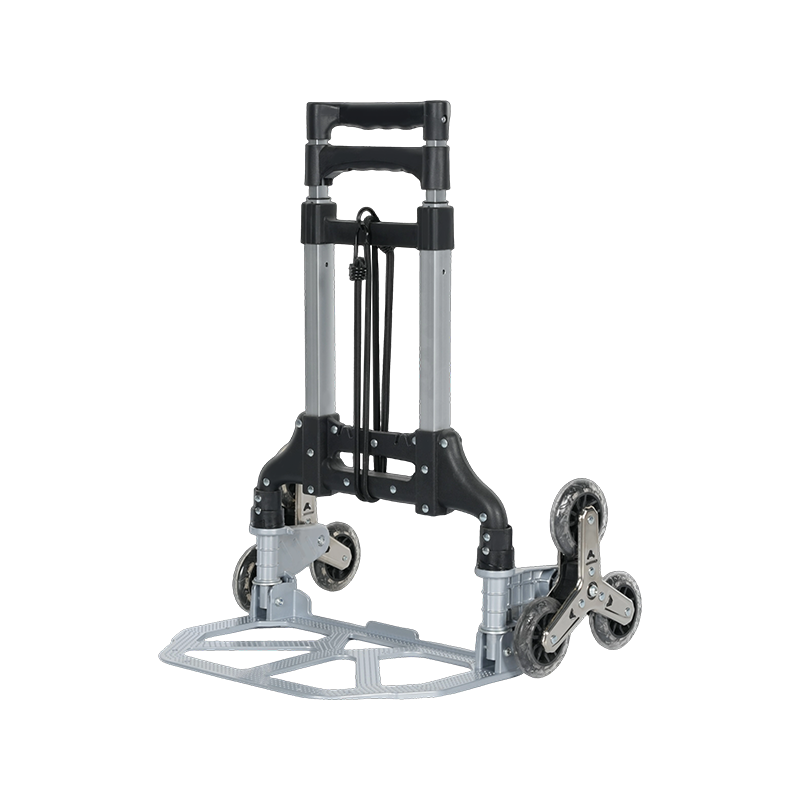

We sincerely welcome domestic and international customers to visit us and discuss cooperation opportunities!

ykjg@wenlide.com
ykxy@wenlide.com

86-0579-89266926
86-0579-87353489

+86-13735620288
+86-15258987461
+86-13566910892

No. 299, Quanhu Indsutrial Zone, Shizhu Town, Yongkang City, Zhejiang Province, China
Copyright © Yongkang XiangYe Tools Manufacturing Co., Ltd. All Rights Reserved.
Hand Trucks and Transport Trolley Manufacturer



 English
 中文简体
中文简体