
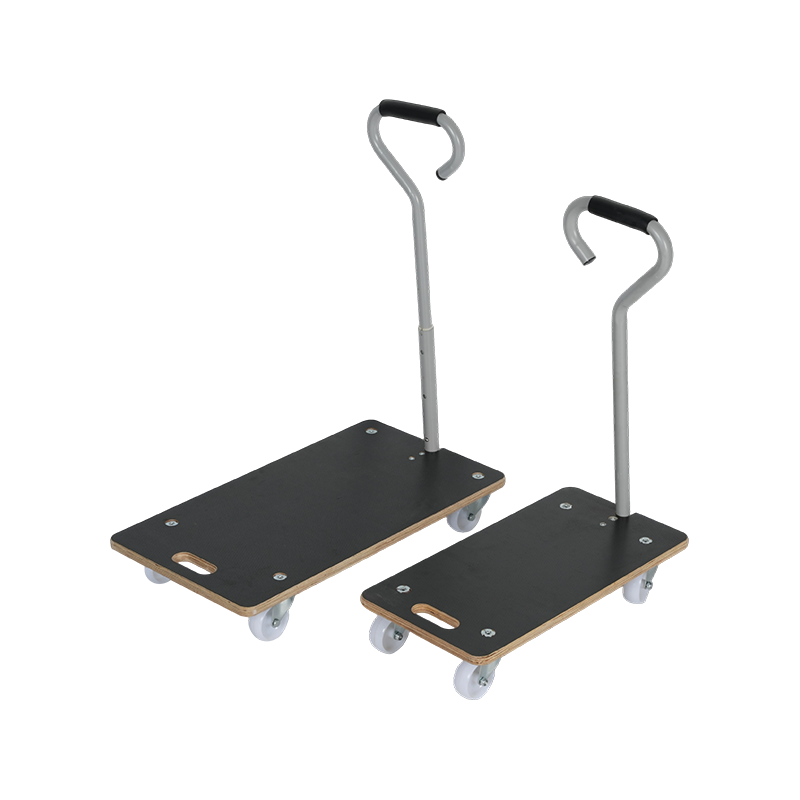
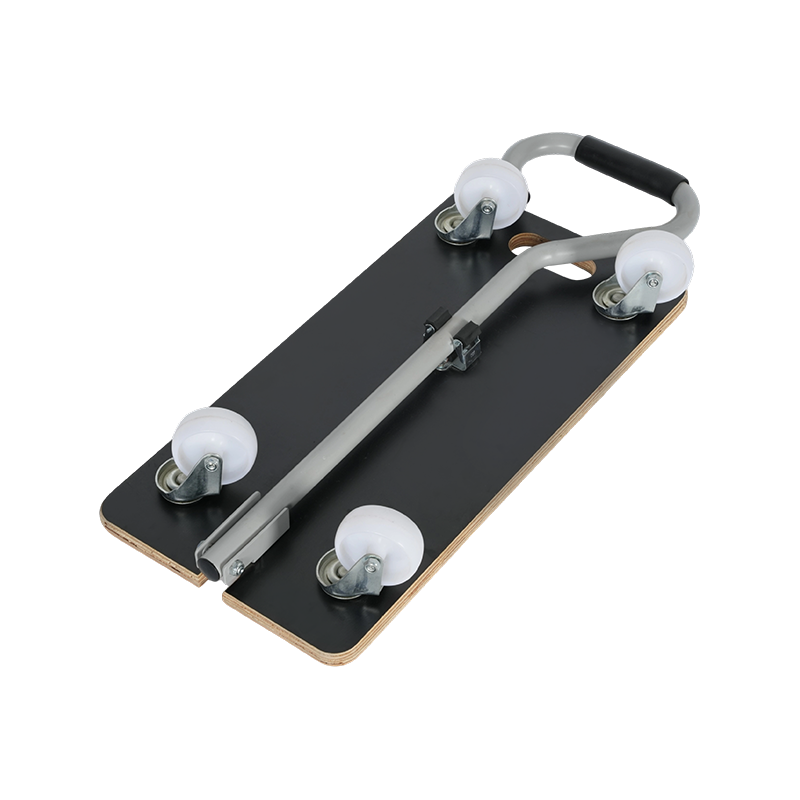
A plant caddy is a small platform on casters. You put a heavy potted plant on it and roll it across the patio. Simple. But it lives outside in the sun, the rain, and sometimes standing water. A plant caddy WPC factory uses wood-plastic composite to make a product that handles this better than solid wood and looks better than plain plastic.
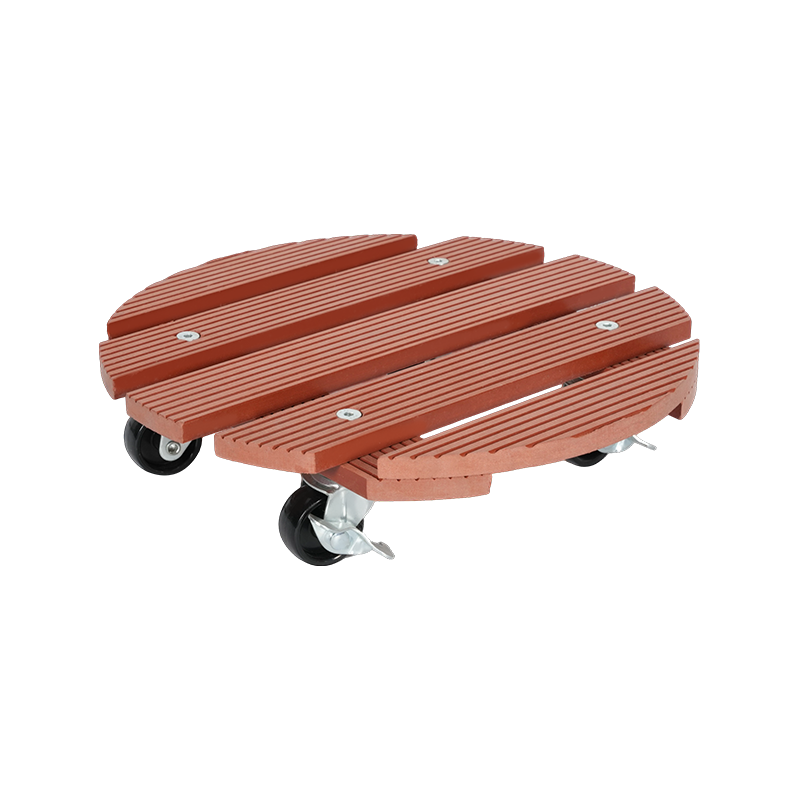
Wood rots. Plastic gets brittle in UV. WPC blends wood fibre with polyethylene or polypropylene. The wood fibre gives it stiffness and a natural look. The plastic binds it, blocks moisture, and lets it flex slightly under load without cracking. A plant caddy WPC factory formulates this material to sit outside for years without swelling, splitting, or fading.
The platform can be superb, and the caddy still fails if the casters rust or seize. A plant caddy WPC factory usually sources casters from a hardware supplier. The caster specification is as important as the board material. Look for:
Test the casters before the load test. Roll the empty caddy across a rough surface. It should move smoothly. If it judders or sticks, the bearings are loose or the wheel material is too hard.
A plant caddy WPC factory can produce the board in two ways: solid profile or hollow profile. Solid is heavier but stiffer. Hollow is lighter and cheaper on material. For a plant caddy, a hollow board with internal ribs is usually fine as long as the rib spacing is tight enough to support the weight without sagging. A caddy holding a 50-kilo pot should not bow visibly after a year.
The surface finish should be embossed with a wood grain or a non-slip texture. The embossing hides scratches and gives the pot a grip. Check that the finish goes all the way to the edges. Some factories emboss the face but leave the cut edges smooth. That looks unfinished and the edges weather differently.
UV stabilizers in the WPC mix prevent the colour from going chalky. A plant caddy WPC factory serving European or Australian markets knows UV performance is non-negotiable. Ask for accelerated weathering test results. After a few thousand hours of xenon arc exposure, the colour shift should be small.
Potted plants leak. Water sits on the caddy surface. If the caddy has a solid top, the water pools. That leads to algae, staining, and in freezing weather, a layer of ice between the pot and the caddy. A good plant caddy WPC factory designs the surface with drainage grooves or slots. The water flows off instead of sitting. Some designs add a slight crown to the surface so water runs to the edges. Check this on a sample. Pour a cup of water on the surface. It should drain, not pool.
Unscrew and reattach a caster. The screw holes should not strip out. Embedded metal inserts for caster screws are better than self-tapping screws into WPC.
A plant caddy WPC factory that has thought through drainage, caster selection, and UV stability makes a product that lasts. One that treats it as a flat board with wheels will ship caddies that look good for one season and then warp, fade, or seize. The difference is in the details. Test the samples the way a customer would use them: loaded, wet, and left outside.

We sincerely welcome domestic and international customers to visit us and discuss cooperation opportunities!

ykjg@wenlide.com
ykxy@wenlide.com

86-0579-89266926
86-0579-87353489

+86-13735620288
+86-15258987461
+86-13566910892

No. 299, Quanhu Indsutrial Zone, Shizhu Town, Yongkang City, Zhejiang Province, China
Copyright © Yongkang XiangYe Tools Manufacturing Co., Ltd. All Rights Reserved.
Hand Trucks and Transport Trolley Manufacturer



 English
 中文简体
中文简体