
The movable propane cylinder base factory has seen increased demand as industrial and residential users seek stable, portable supports for pressurized gas storage. These bases, typically constructed from steel or heavy-duty plastic, provide a level platform that prevents cylinders from tipping during transport or use, while integrated wheels or skids enable easy repositioning within worksites. Recent production improvements have focused on corrosion resistance, load capacity, and ergonomic handling features that reduce physical strain on operators.
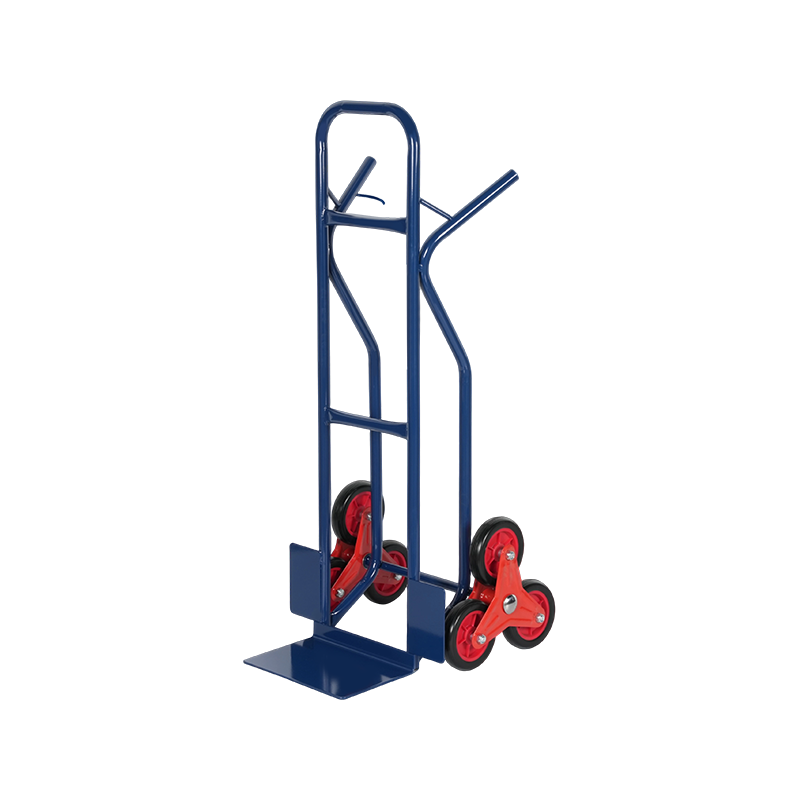
The movable propane cylinder base is engineered to support cylinder weights ranging from 15 to 100 kilograms, depending on the model and intended application. Steel bases offer high strength and impact resistance, with powder-coated or galvanized finishes protecting against rust in outdoor storage yards. Plastic bases, typically molded from high-density polyethylene or reinforced polypropylene, provide lightweight handling and resistance to chemical spills. Key construction details include:
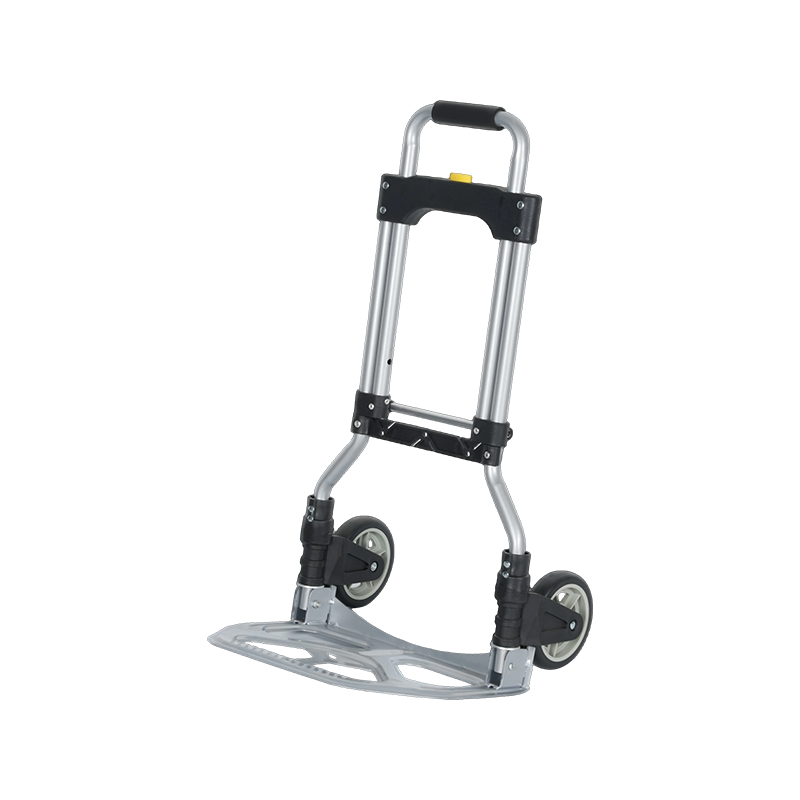
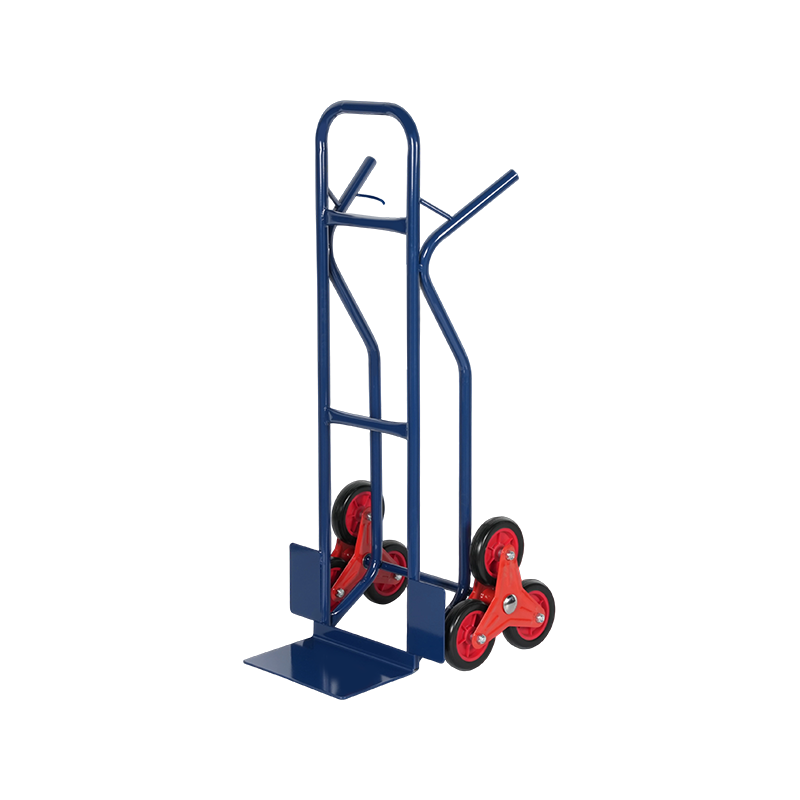
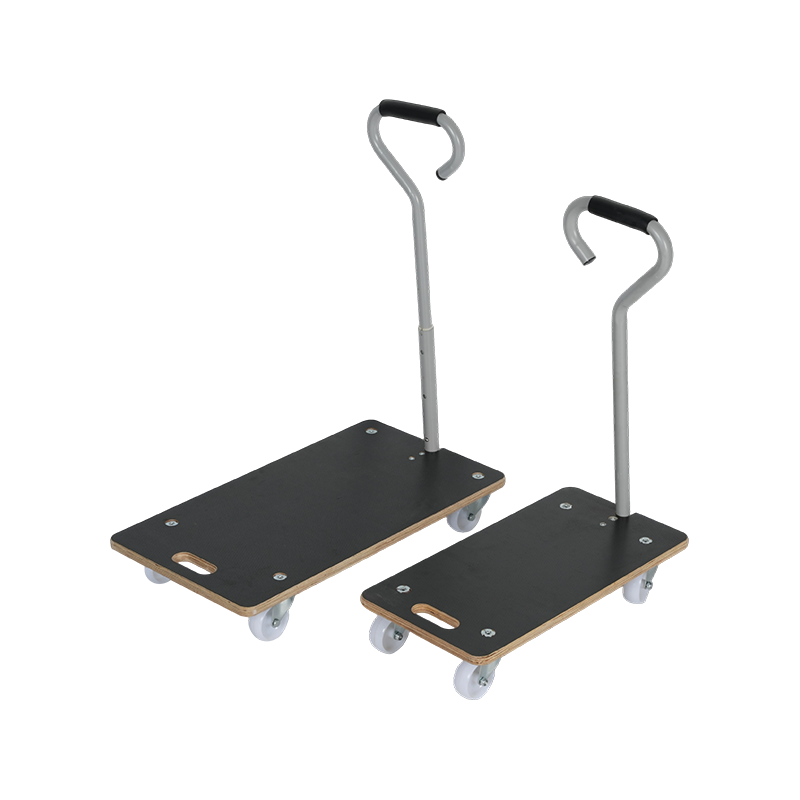
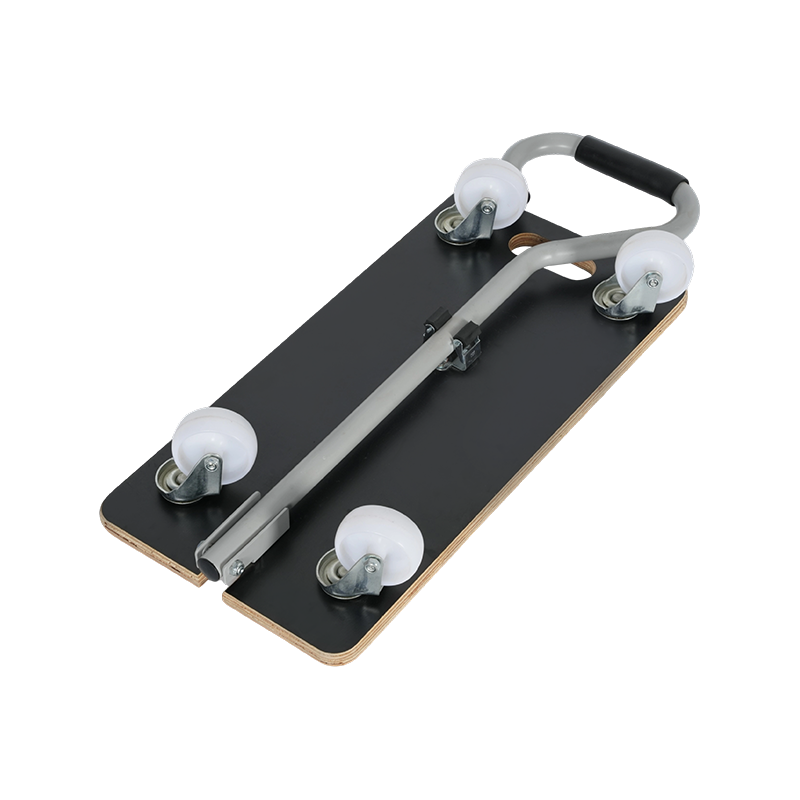
The movable propane cylinder base distinguishes itself from fixed stands through its integrated mobility system. Wheel configurations vary according to the operating environment and cylinder size. Standard options include:
Wheel diameters typically range from 75 to 150 millimeters, with larger wheels providing better rollability over uneven surfaces. Bearing quality affects long-term performance, with sealed ball bearings preferred for dusty or wet environments.
Each movable propane cylinder base is rated for a specific big cylinder weight, with safety factors incorporated to account for dynamic loads during movement. Standard ratings span from 50 to 200 kilograms, with heavy-duty versions accommodating larger industrial cylinders. Stability is verified through tilt tests, where a loaded base must remain upright at angles up to 15 degrees from horizontal. The base footprint is sized to provide a stable platform while remaining narrow enough to navigate through standard doorways and aisles. Center of gravity calculations ensure that the combined cylinder and base assembly does not become top-heavy during turning or sudden stops.
Proper cylinder placement on the movable propane cylinder base requires attention to alignment and retention. The cylinder foot ring should seat fully within the raised rim or locating ring on the base deck. For added security, some models incorporate:
Operators are trained to position the cylinder upright, connect the regulator or hose, and then test the base's stability by gently rocking the assembly before pressurizing the system.
The movable propane cylinder base factory selects materials that withstand both mechanical stress and environmental exposure. Steel components receive anti-corrosion treatments such as zinc plating, epoxy coating, or stainless steel alloys for corrosive atmospheres. Plastic bases incorporate UV stabilizers to prevent degradation from prolonged sunlight exposure. Rubber components, including tires and non-slip pads, are formulated with ozone-resistant compounds to prevent cracking. Temperature range ratings are specified for each model, with standard products operating between -20°C and 60°C and specialized versions for bad environments.
Quality assurance protocols in the movable propane cylinder base factory ensure that each unit meets performance and safety requirements. Testing procedures include:
Dimensional inspections verify that the base rim diameter matches standard cylinder foot ring sizes, which vary between regions and cylinder types. Each product carries markings indicating rated capacity, model number, and manufacturing date for traceability.
The movable propane cylinder base finds use in multiple sectors including construction sites, warehousing and logistics, outdoor catering and food trucks, and residential backup power installations. For construction crews, the bases allow quick repositioning of cylinders as work areas shift. In warehouses, they simplify cylinder rotation and inventory management. Catering operators appreciate the ease of moving cylinders between cooking stations without heavy lifting. Residential users benefit from reduced physical effort when moving cylinders for barbecue grills or backup generators. Common user benefits include reduced lifting-related injuries, faster cylinder changeover times, and prevention of cylinder valve damage from tipping accidents.
Routine maintenance extends the service life of the movable propane cylinder base and ensures safe operation. Recommended inspection points include:
Cleaning involves removing dirt and grease from the base surface and wheel assemblies, with steel models receiving periodic touch-up of protective coatings. Any base showing visible deformation or structural damage should be removed from service and replaced.

We sincerely welcome domestic and international customers to visit us and discuss cooperation opportunities!

ykjg@wenlide.com
ykxy@wenlide.com

86-0579-89266926
86-0579-87353489

+86-13735620288
+86-15258987461
+86-13566910892

No. 299, Quanhu Indsutrial Zone, Shizhu Town, Yongkang City, Zhejiang Province, China
Copyright © Yongkang XiangYe Tools Manufacturing Co., Ltd. All Rights Reserved.
Hand Trucks and Transport Trolley Manufacturer



 English
 中文简体
中文简体