
A large potted plant weighs more than it looks. Wet soil, a ceramic pot, and a mature plant together can top fifty kilos. Dragging that across a patio scrapes the floor and strains the person doing the dragging. A plant caddy sits under the pot and puts it on wheels. A plant caddy WPC factory builds these mobile bases from wood-plastic composite, a material that looks like finished timber, handles constant moisture, and never rots. For garden centers, patio furniture brands, and planter manufacturers, the caddy is the component that keeps heavy plants moveable.
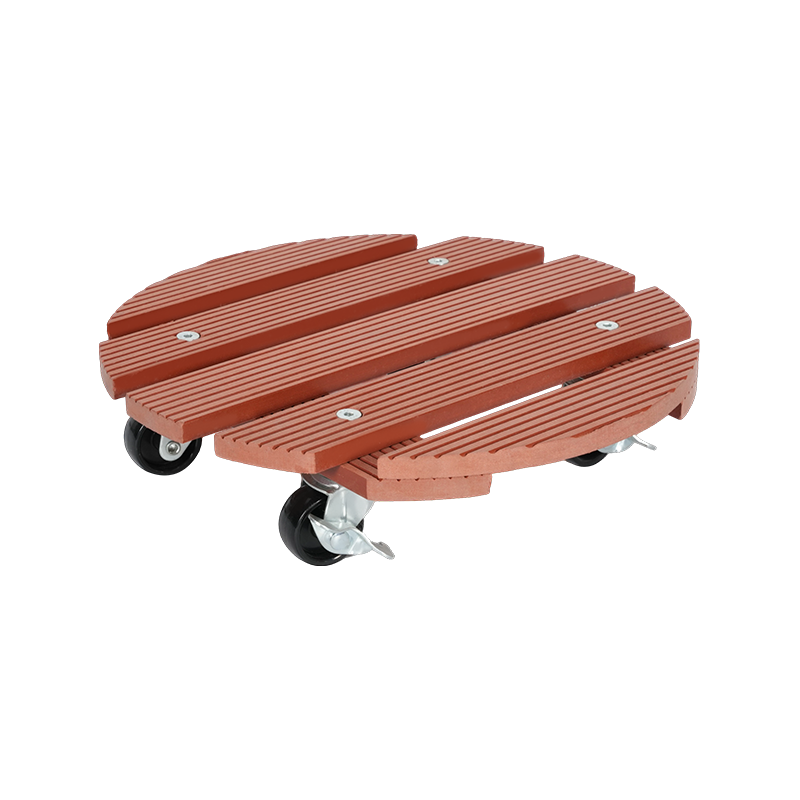
Wood rots. Plastic fades and cracks. WPC mixes wood fiber with recycled polyethylene or polypropylene to create a board that machines like wood and resists water like plastic. A plant caddy WPC factory extrudes or molds this material into slats, frames, or solid deck panels that form the caddy surface.
Water sits on a plant caddy after every watering. Drainage holes let water through. The caddy catches it. Solid plastic caddies pool water. Wood caddies absorb it and swell. A plant caddy WPC factory designs the surface with gaps or grooves that let water drain while supporting the pot base. The WPC itself does not absorb moisture, so the caddy stays dimensionally stable through wet and dry cycles.
UV exposure on a sunny patio breaks down untreated plastic and bleaches wood. A plant caddy WPC factory compounds UV stabilizers and colorants into the material before extrusion. The color goes through the entire board. A scratch does not reveal a different color underneath.
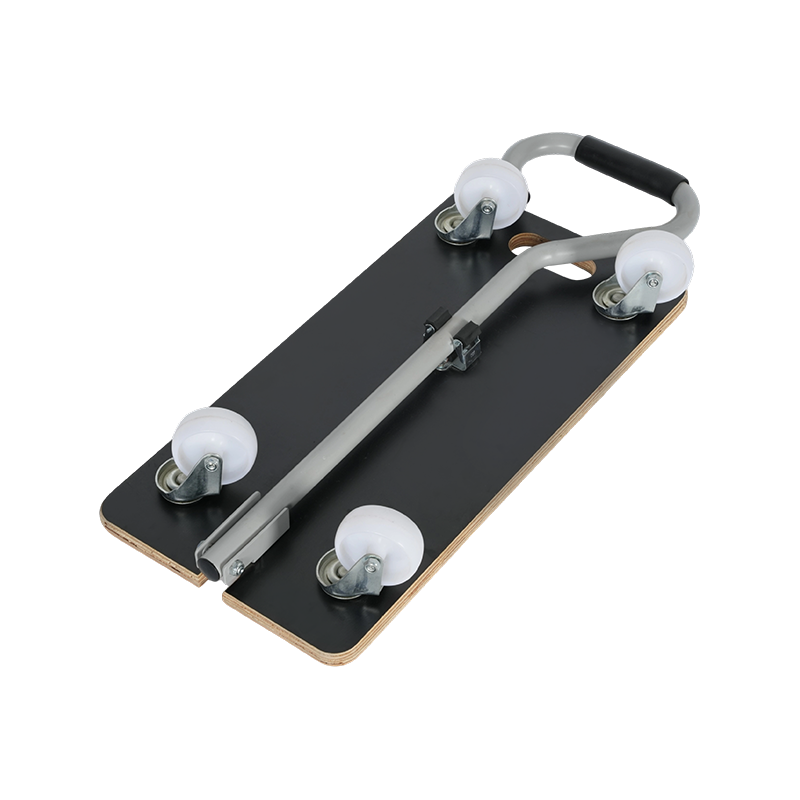
A plant caddy is only as mobile as its wheels. Cheap plastic casters with no bearings bind under load and refuse to swivel. A plant caddy WPC factory fits wheels matched to the weight rating and the surface type.
Soft rubber or polyurethane tread wheels roll smoothly over tile, wood, and concrete without scratching. Hard plastic wheels skid on smooth floors and mark them. A plant caddy WPC factory offers wheel options so the buyer can match the caddy to the floor surface where the plant will live.
Swivel casters on all four corners give full maneuverability. Two swivels and two fixed wheels cost less but require the user to plan turns like a shopping cart. A plant caddy WPC factory building for indoor use and heavy pots uses four swivel casters.
Wheel locks are a feature on heavier caddies. A plant on a slight slope will roll if the wheels are free. A plant caddy WPC factory adds locking casters on at least two wheels so the user can park the plant and know it will stay put.
Tapered pots concentrate weight on a small base. Wide cylindrical pots spread weight over a larger area. A plant caddy WPC factory builds caddies in multiple diameters and shapes to match the pot footprint. A caddy too small is unstable. A caddy too large looks awkward.
Square and rectangular caddies fit planter boxes and trough planters. Round caddies fit standard tapered pots. A plant caddy WPC factory that offers both shapes lets the buyer use the same brand across an entire patio or garden center display.
Weight capacity has to be stated honestly. A plant caddy WPC factory that rates the caddy for a specific load and tests to that load with a safety factor prevents the failure where a caddy collapses under a pot that was too heavy.
Here is what a plant caddy WPC factory needs to deliver:
Garden centers display hundreds of plants. The pots need to move for watering, rearranging, and customer pickup. A plant caddy WPC factory supplies caddies that roll across concrete, gravel, and greenhouse floors without failing.
Hotels and restaurants use large planters as decor. The plants move for events, cleaning, and seasonal rearrangements. A plant caddy WPC factory that builds heavy-duty caddies for commercial use handles the weight and the constant rolling.
Residential patios use caddies under citrus trees, ornamental shrubs, and large tropical plants. The caddy protects the floor and lets the homeowner move the plant to follow the sun or make room for guests.
The wheel mounts pull out of a wood caddy when screws strip from the end grain. A plant caddy WPC factory uses threaded inserts, through-bolts, or molded-in mounting bosses that hold the caster securely.
The WPC boards sag between supports under a heavy pot. A plant caddy WPC factory spaces the support rails or designs the panel thickness to prevent deflection. A sagging caddy lets the pot tilt, stresses the wheel mounts unevenly, and eventually fails.
The caddy sits under a pot, in the splash zone, in the sun, and out of sight. It gets moved when the plant needs moving and ignored the rest of the time. A plant caddy WPC factory that builds with rot-proof material, fits wheels that actually roll, and supports the rated weight produces a caddy that lasts for years. The plant moves when it needs to. The floor stays unmarked. That is the job.

We sincerely welcome domestic and international customers to visit us and discuss cooperation opportunities!

ykjg@wenlide.com
ykxy@wenlide.com

86-0579-89266926
86-0579-87353489

+86-13735620288
+86-15258987461
+86-13566910892

No. 299, Quanhu Indsutrial Zone, Shizhu Town, Yongkang City, Zhejiang Province, China
Copyright © Yongkang XiangYe Tools Manufacturing Co., Ltd. All Rights Reserved.
Hand Trucks and Transport Trolley Manufacturer



 English
 中文简体
中文简体