
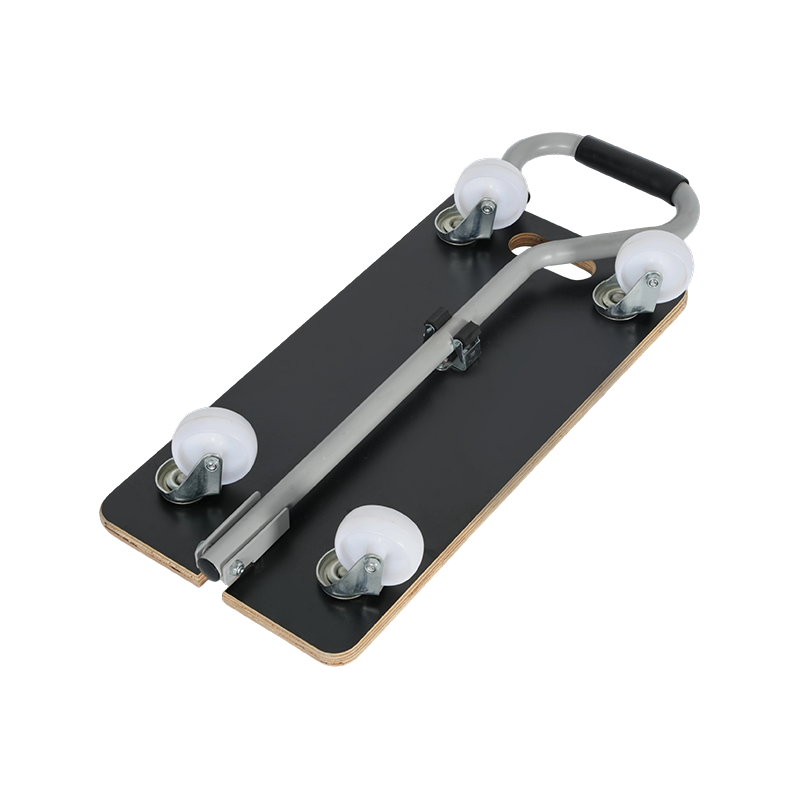
A screw-mounted gray caster wheel is a small part that changes how a cart, a shelf, or a piece of furniture moves. The threaded stem screws into the socket or the mounting plate, the swivel lets the wheel turn, and the gray tread rolls without leaving marks on the floor. The caster looks simple, but the stem length, the wheel diameter, and the bearing decide whether the cart glides or fights the user.
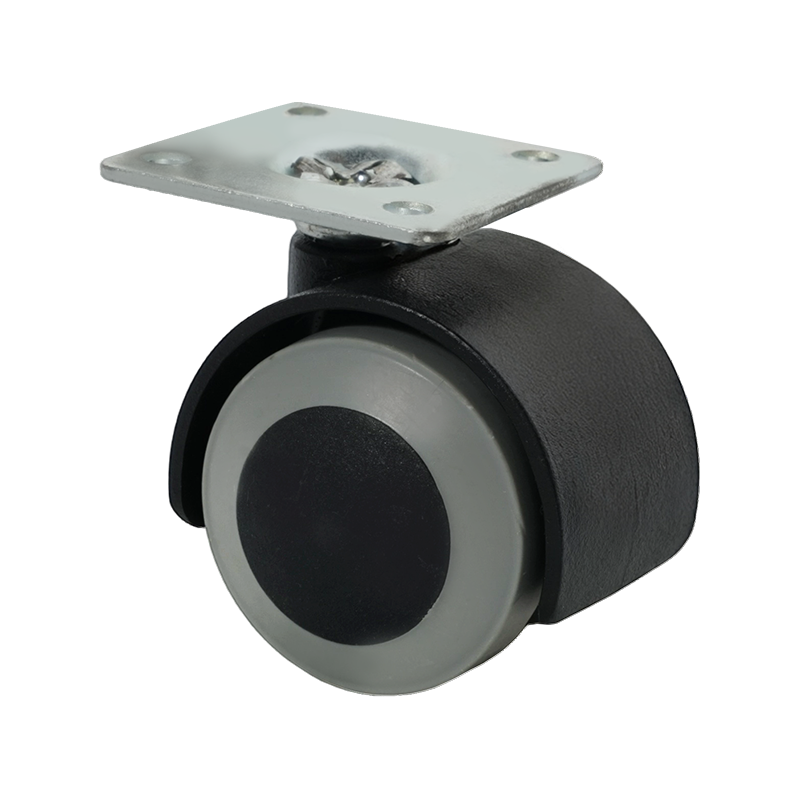
The threaded stem screws into the socket on the furniture or the threaded plate. The thread diameter and the pitch have to match, or the stem cross-threads and the socket strips. The stem length has to reach the full thread depth without bottoming out.
A screw-mounted gray caster wheel with the correct thread and the right stem length seats fully and holds. The stem that is too short engages only a few threads and pulls out under the load.
The gray tread is the non-marking compound, the polyurethane or the soft rubber, that rolls on the tile, the vinyl, and the hardwood without leaving the streaks. The hard plastic wheel skids and marks the floor, and the black rubber leaves the scuff.
A screw-mounted gray caster wheel with the soft polyurethane tread rolls quietly and protects the floor. The tread that is too soft flat-spots under the static load, and the wheel thumps with every revolution.
The wheel spins on the bearing, and the fork swivels on the race. The plain bearing is the cheap and the noisy, and the ball bearing rolls easier and lasts longer.
A screw-mounted gray caster wheel with the sealed ball bearing and the double-ball swivel race turns smoothly under the load. The unsealed bearing collects the dust and the hair, and the wheel drags.
The caster is rated for the load per wheel. The cart with the four casters carries the total load divided by four, with the margin. The caster that is rated at the limit for the application fails on the uneven floor where one wheel takes more than its share.
The brake is the option for the cart that has to stay put. The pedal brake locks the wheel, and the total-lock brake locks the wheel and the swivel. The caster with the brake on two of the four wheels keeps the cart from rolling on the slope.
What the factory has to deliver:
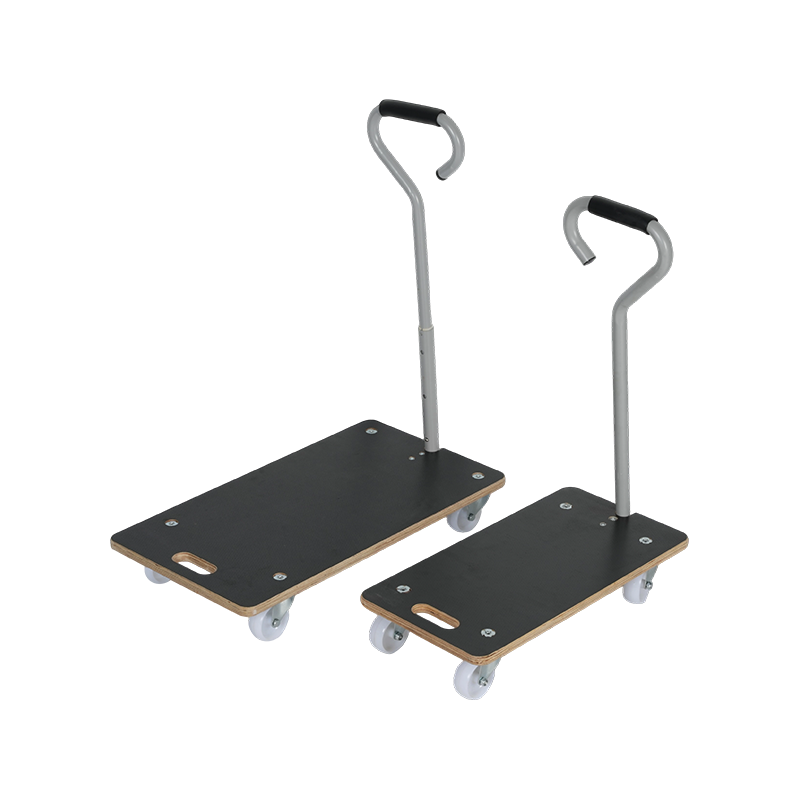
The utility cart, the rolling shelf, the workbench, the display unit. Each one needs the caster that matches the floor and the load. The caster that suits the smooth showroom floor is not the one for the rough workshop.
The caster is only as good as the match between the stem, the tread, and the floor. A heavy cart on the soft tread flat-spots. A light cart on the hard tread rattles. The buyer who matches the caster to the load and the surface is the buyer whose cart rolls the way it should.
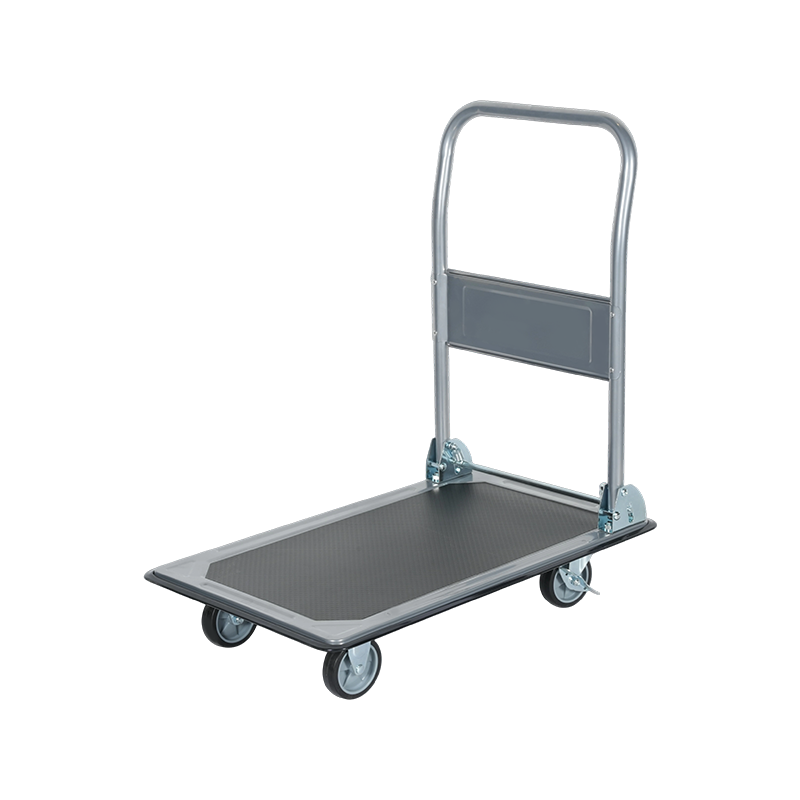
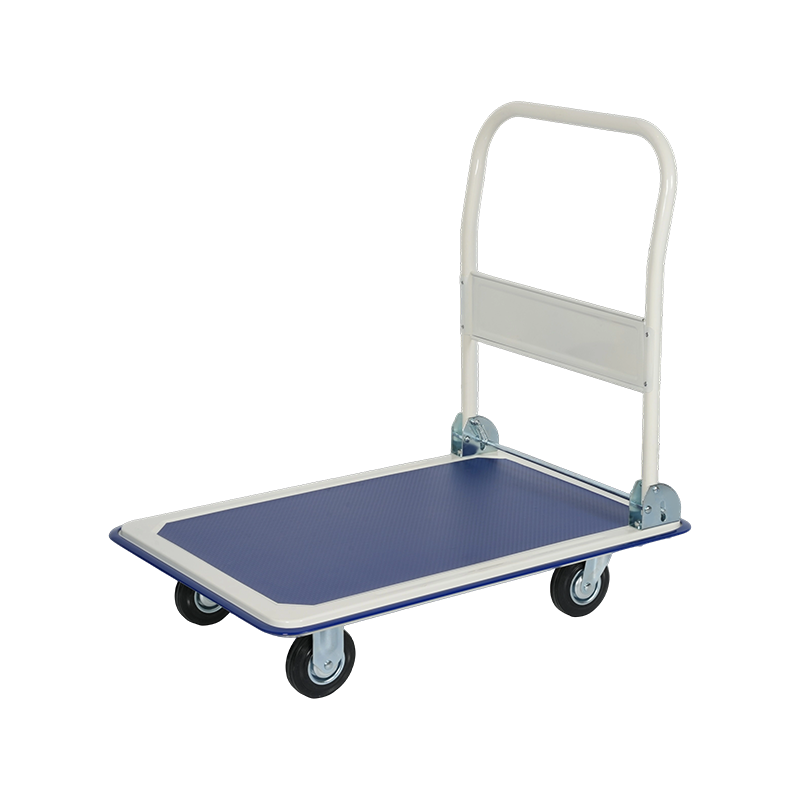
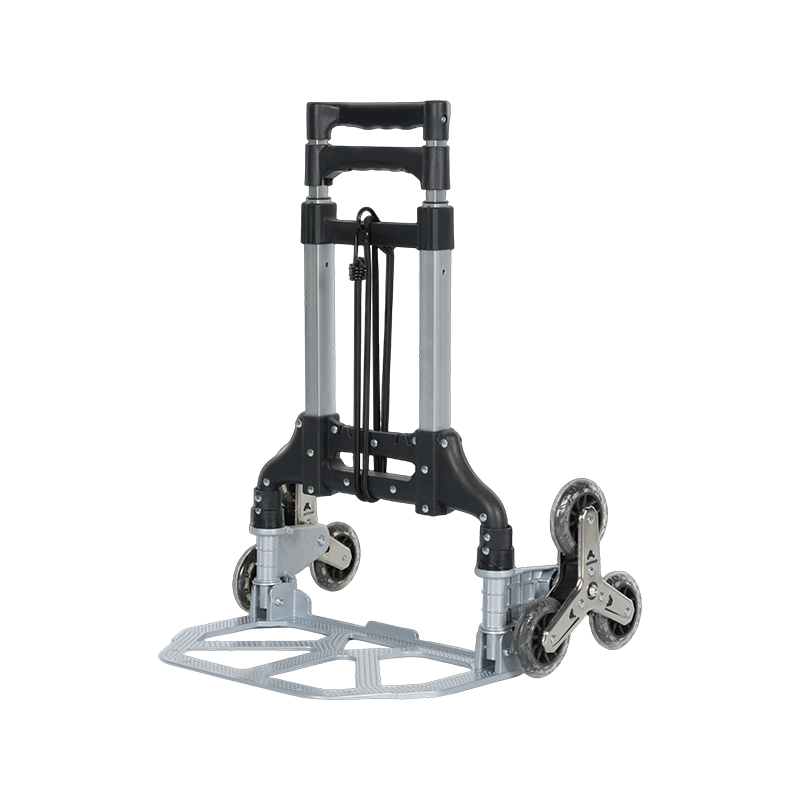

We sincerely welcome domestic and international customers to visit us and discuss cooperation opportunities!

ykjg@wenlide.com
ykxy@wenlide.com

86-0579-89266926
86-0579-87353489

+86-13735620288
+86-15258987461
+86-13566910892

No. 299, Quanhu Indsutrial Zone, Shizhu Town, Yongkang City, Zhejiang Province, China
Copyright © Yongkang XiangYe Tools Manufacturing Co., Ltd. All Rights Reserved.
Hand Trucks and Transport Trolley Manufacturer



 English
 中文简体