
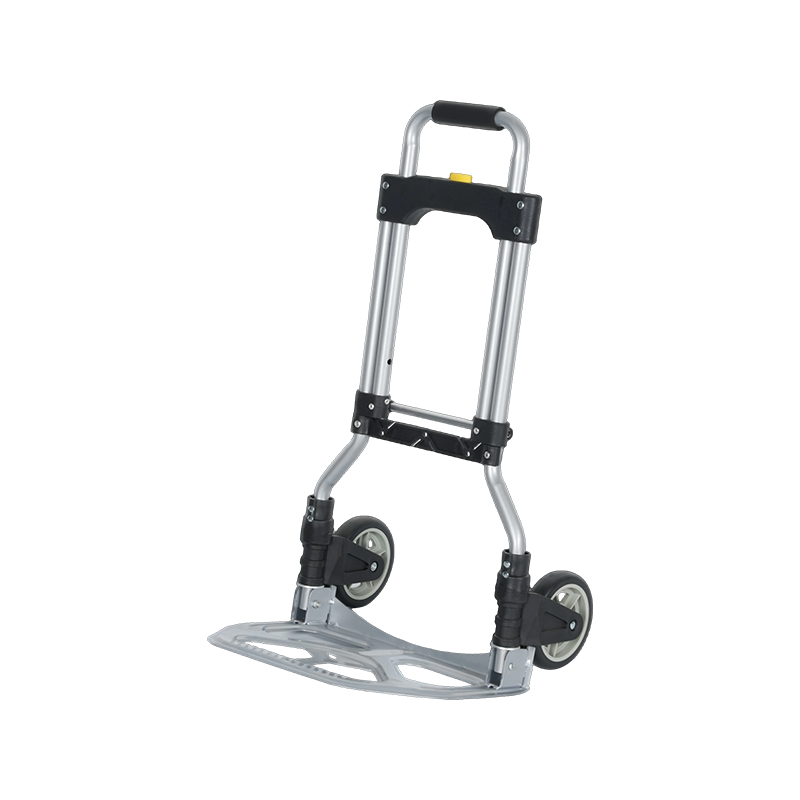
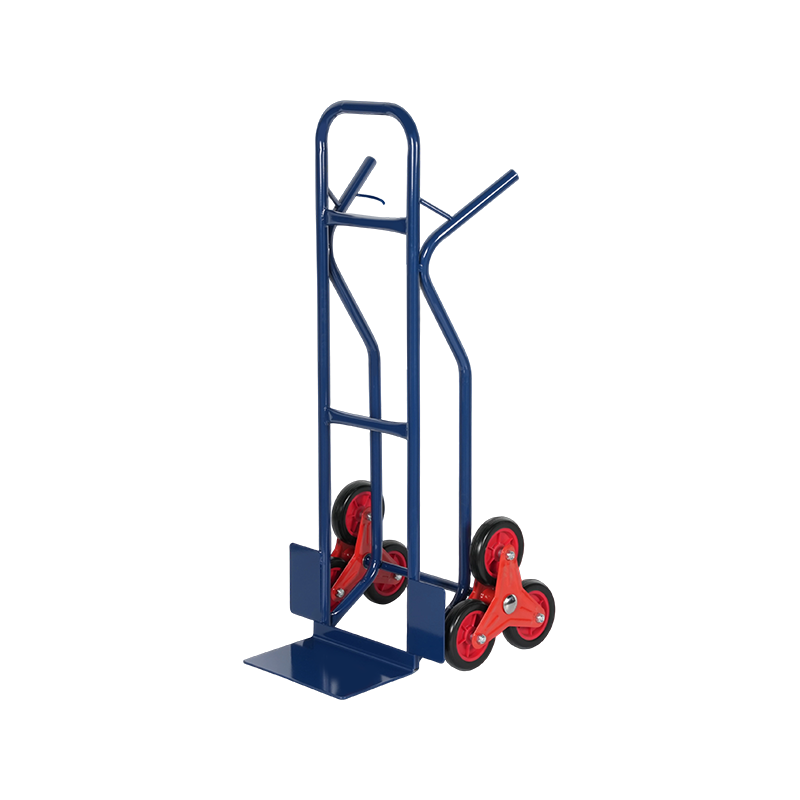
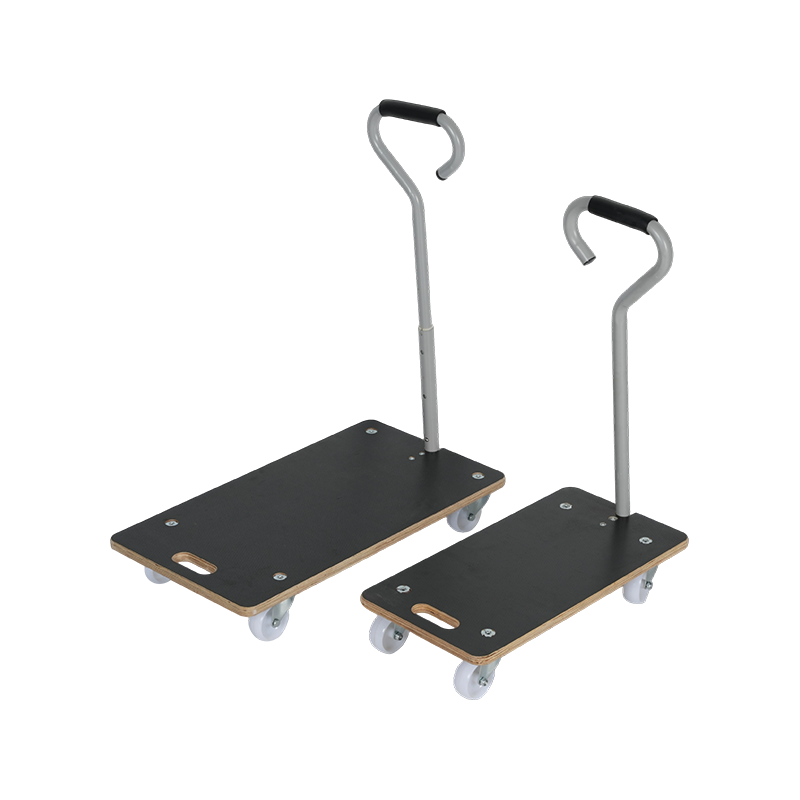
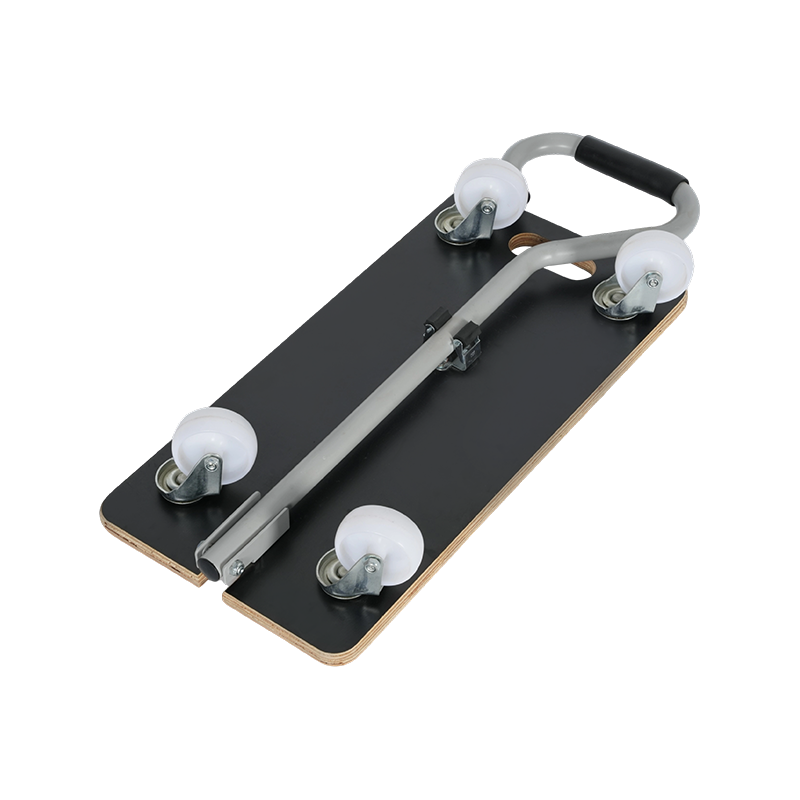
Wheel configuration plays an important role in the performance of transport equipment across warehouses, workshops, retail stores, and residential environments. Buyers often compare maneuverability, stability, and handling comfort before selecting a cart for daily use. As demand for compact transport equipment continues growing, the Tools Foldable Push Cart Dolly remains a popular option for users who need both portability and practical transport support. Among the many product features discussed by buyers, wheel design continues to receive strong attention.
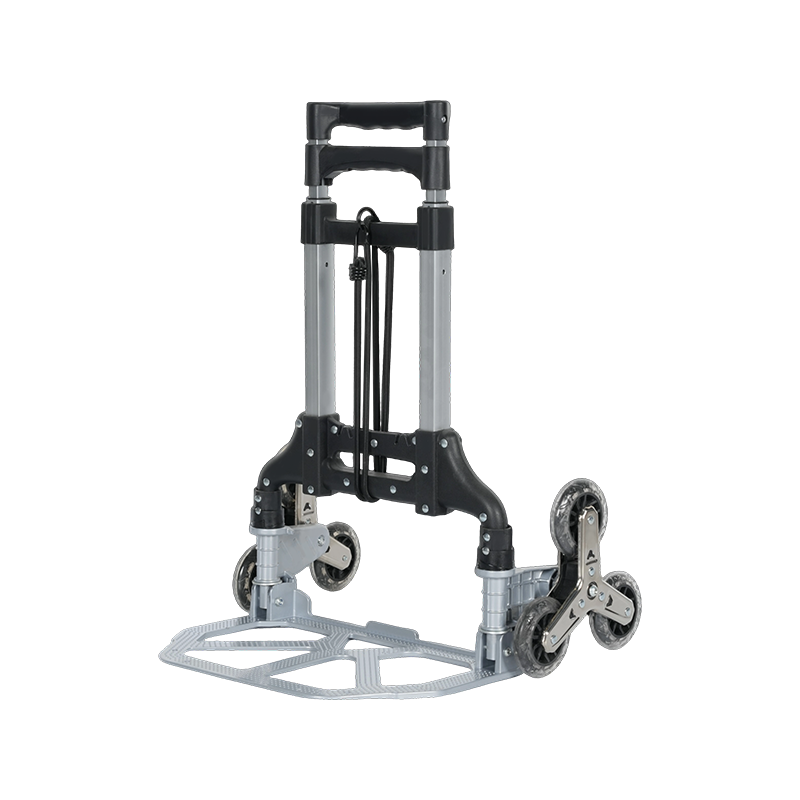
Wheel Design Affects Daily Use
Different work environments require different wheel characteristics. Some users prioritize smooth turning movement in narrow spaces, while others focus more on stability when transporting heavier loads. Because of this, wheel configuration has become an important factor during product selection.
Swivel wheels and fixed wheels each offer different advantages depending on where the cart will be used. In many cases, the decision depends on whether the equipment will operate indoors, outdoors, or across uneven surfaces.
Users handling tools, cartons, or storage bins regularly often pay close attention to wheel movement before making purchasing decisions.
Swivel Wheels Improve Maneuverability
Swivel wheels are designed to rotate freely, allowing the cart to turn more easily. This makes them useful in areas where workers or homeowners need to move around corners, shelves, or narrow hallways.
Retail stores, apartment buildings, workshops, and office storage rooms commonly benefit from swivel wheel systems because turning flexibility is important in tighter spaces. Loading and unloading tasks may also become easier because users can reposition the cart more quickly.
However, some users feel that swivel wheels provide less directional stability when carrying heavier loads across longer distances. Uneven weight distribution may sometimes affect steering control during movement.
Fixed Wheels Support Stability
Fixed wheels move only forward and backward, helping improve straight-line tracking during transport. This wheel type is commonly used in warehouses, loading areas, and industrial workspaces where carts often carry heavier materials.
Many users prefer fixed wheels because the cart remains more stable during movement, especially when transporting stacked boxes or larger equipment. On longer warehouse aisles or outdoor pavement, stable wheel alignment can help reduce steering adjustments.
The main limitation is reduced turning flexibility. In narrow areas, users may need additional space to change direction or reposition the cart.
Surface Conditions Influence Performance
Flooring conditions also affect wheel performance during daily use. Smooth indoor floors generally allow both wheel types to move efficiently, while rough concrete, ramps, and uneven outdoor surfaces may create different handling experiences.
Larger wheels are often preferred because they roll more smoothly over floor gaps and small obstacles. Rubber or polyurethane materials are also associated with quieter movement and reduced vibration during transport.
For indoor environments, users often focus on quieter operation and floor protection. In industrial settings, durability and wear resistance usually become more important concerns.
Hybrid Wheel Systems Gain Attention
Some transport carts now combine swivel and fixed wheel configurations to balance maneuverability with stability. These hybrid systems are increasingly used in warehouses, retail spaces, and multi-purpose transport applications.
Manufacturers continue adjusting wheel designs to match changing user expectations. Smoother movement, quieter operation, and easier maintenance are becoming more common priorities across the market.
As transport equipment continues evolving, wheel selection remains an important factor influencing handling comfort, operational efficiency, and daily convenience across different working environments.
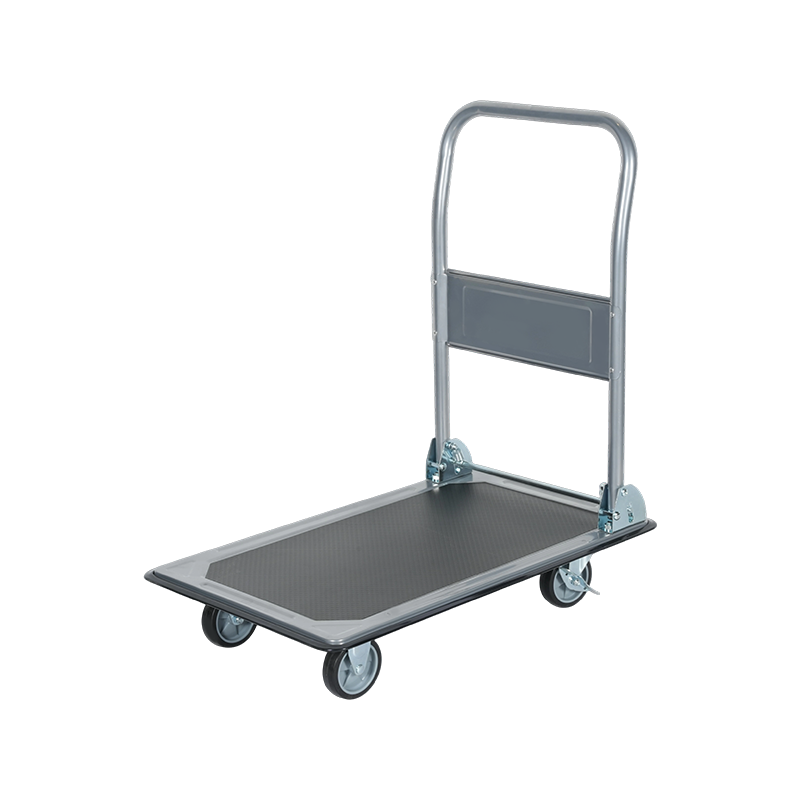
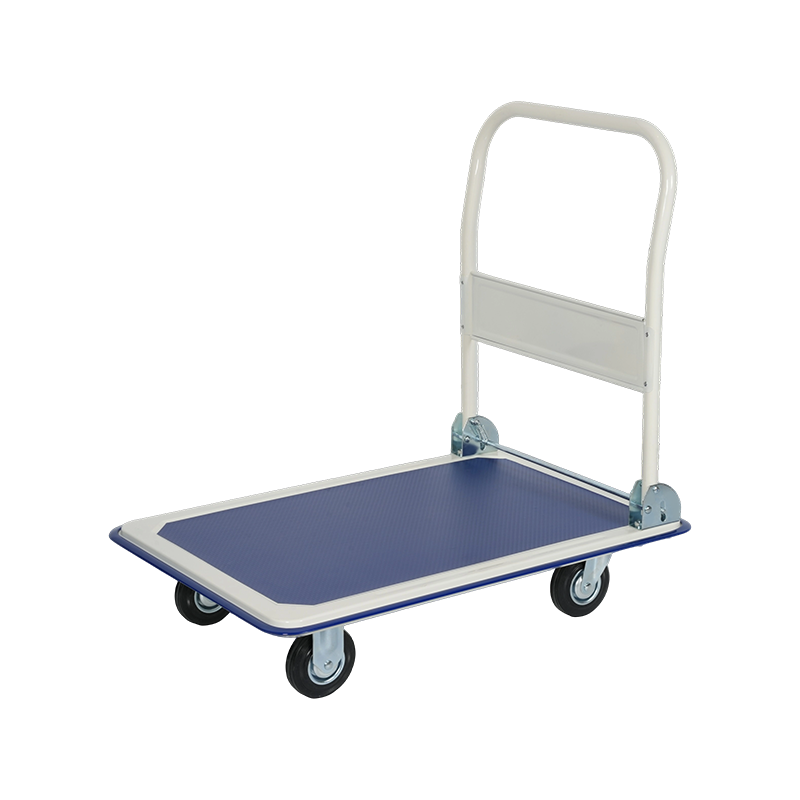
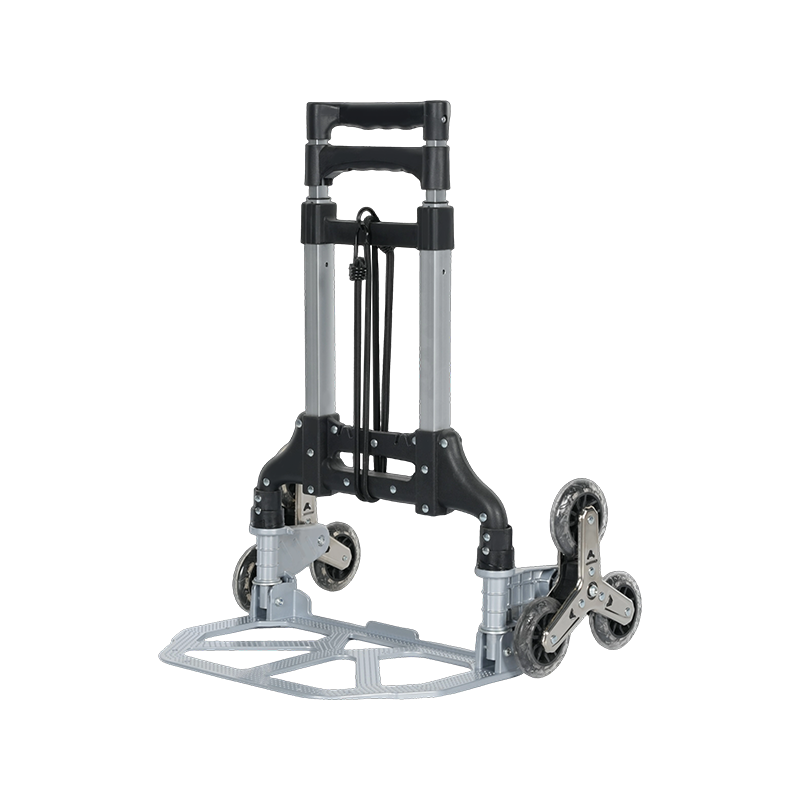


We sincerely welcome domestic and international customers to visit us and discuss cooperation opportunities!

ykjg@wenlide.com
ykxy@wenlide.com

86-0579-89266926
86-0579-87353489

+86-13735620288
+86-15258987461
+86-13566910892

No. 299, Quanhu Indsutrial Zone, Shizhu Town, Yongkang City, Zhejiang Province, China
Copyright © Yongkang XiangYe Tools Manufacturing Co., Ltd. All Rights Reserved.
Hand Trucks and Transport Trolley Manufacturer



 English
 中文简体
中文简体