
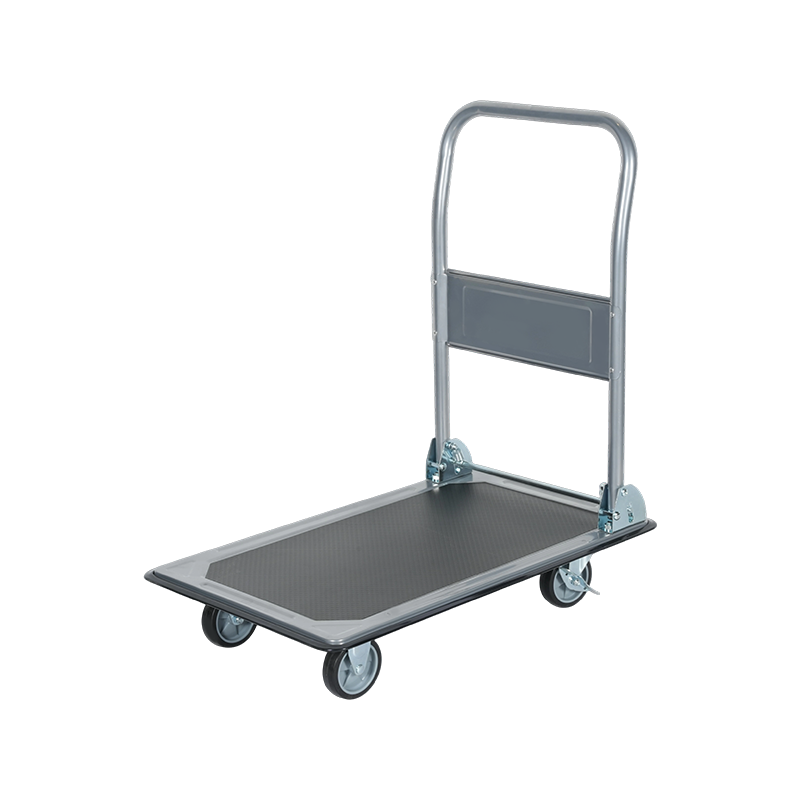
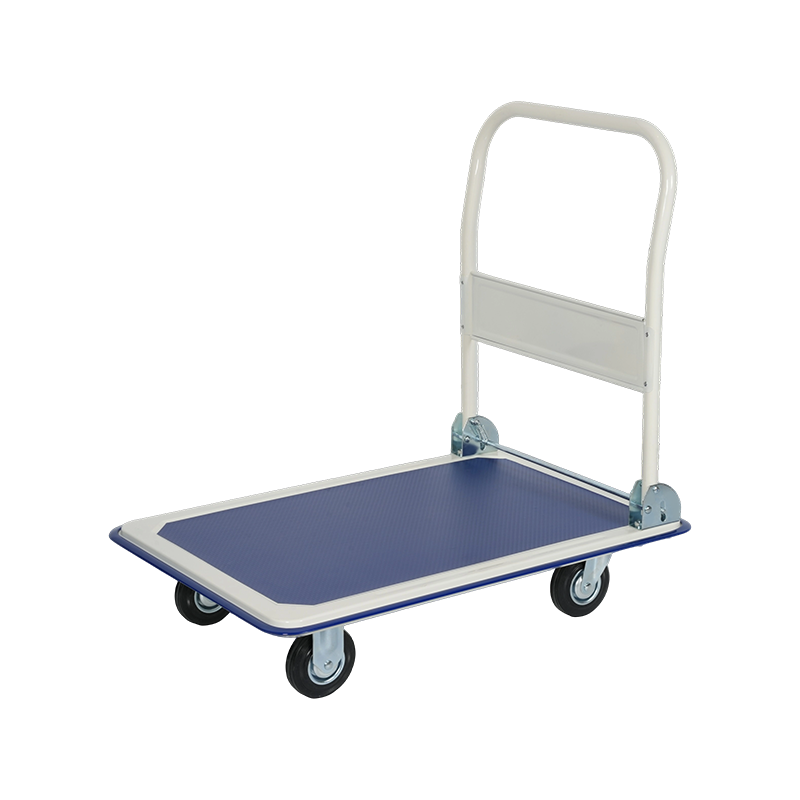
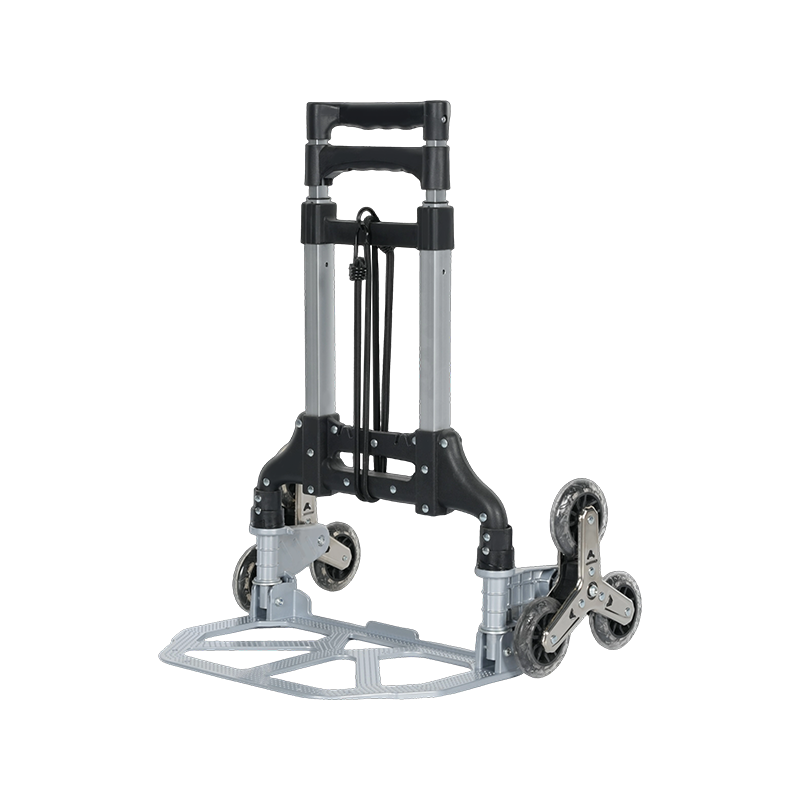
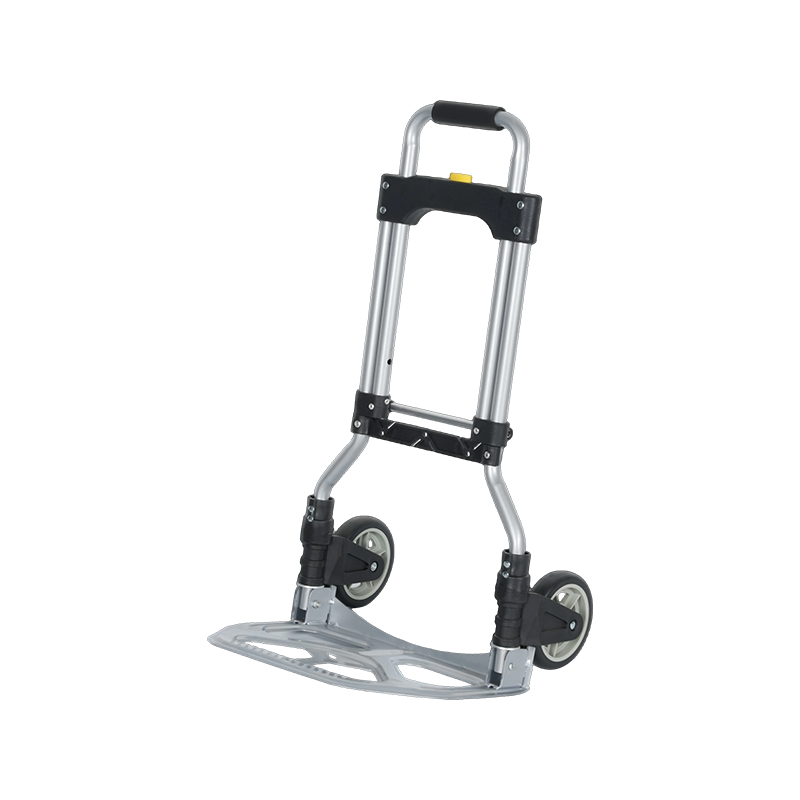
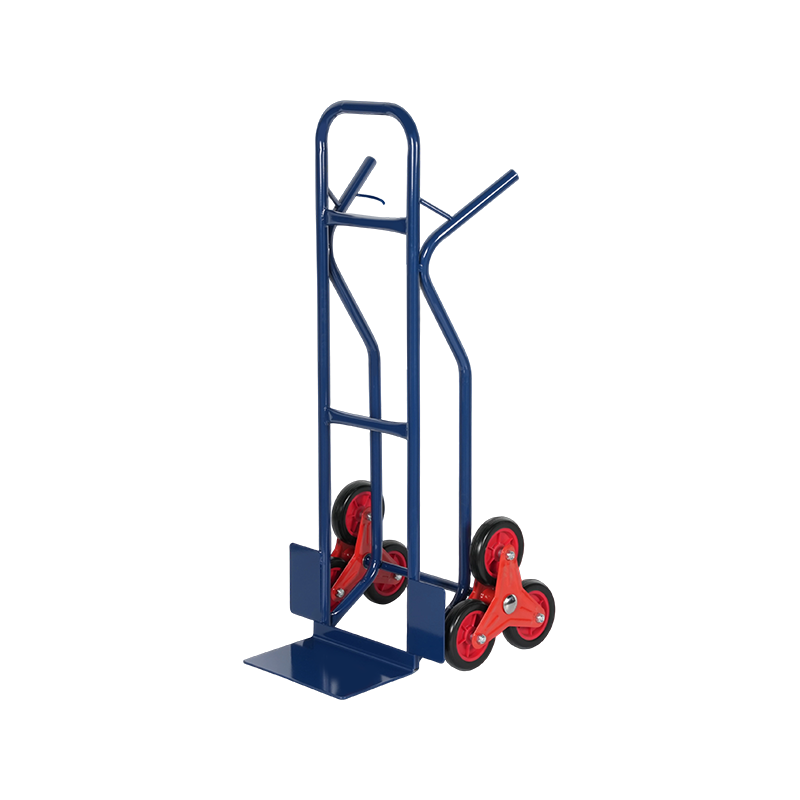
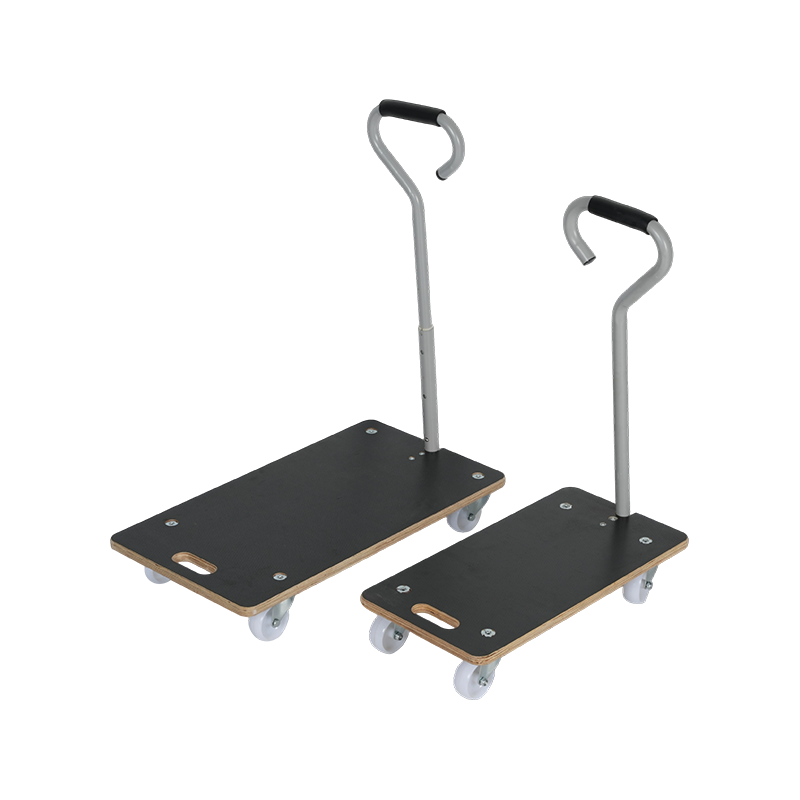
Warehouse operations rely heavily on smooth material movement to support daily workflows. From transporting cartons to organizing inventory, handling equipment plays an important role in maintaining productivity across storage facilities. In many working environments, the Tools Foldable Push Cart Dolly has become a practical solution for moving goods while supporting flexible storage requirements. As warehouse layouts continue changing, demand for compact and easy-to-store transport equipment continues to grow.
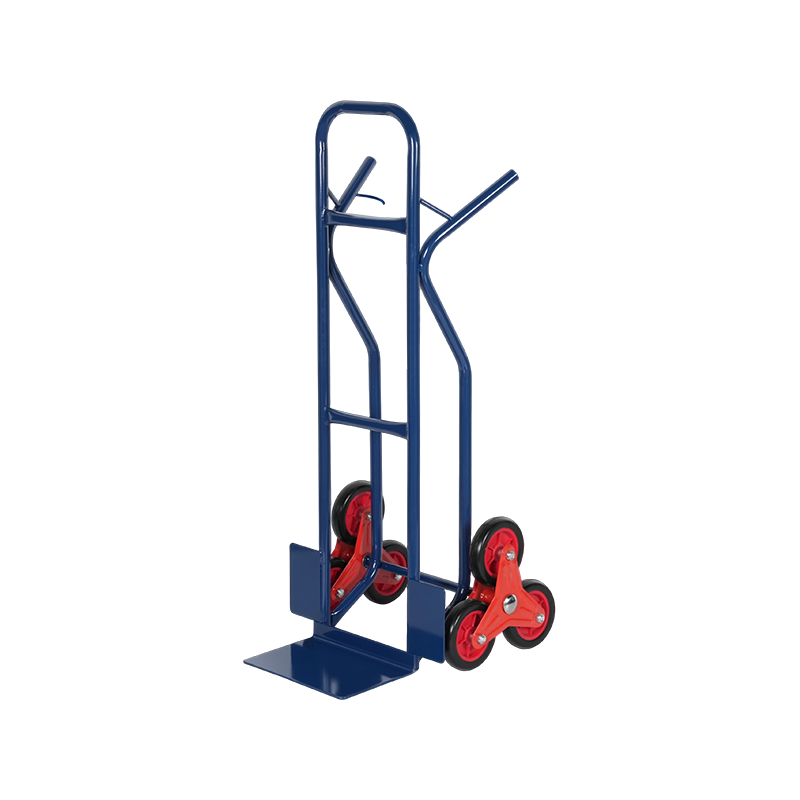
Material Handling Remains Essential
Warehouse workers regularly move boxes, packaged goods, tools, and storage containers throughout the day. Repeated manual lifting can increase physical strain and reduce efficiency, especially in facilities with large storage areas or busy shipping schedules.
Transport carts help simplify these tasks by allowing workers to move multiple items at once. Foldable push cart dollies are especially useful because they combine transport capability with convenient storage after use.
Many warehouses also operate within limited floor space. Equipment that can be folded and stored quickly helps reduce clutter and improve organization inside busy work areas.
Compact Storage Supports Flexible Layouts
Warehouse layouts are often adjusted to match inventory changes and operational needs. Because of this, storage flexibility has become an important factor when selecting transport equipment.
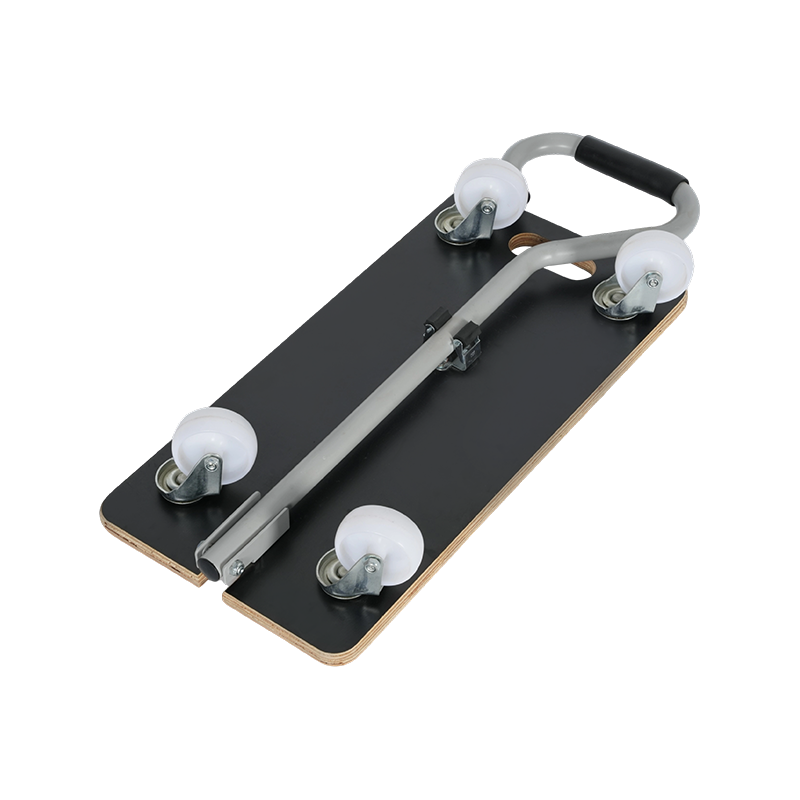
Foldable cart designs allow workers to store unused equipment beside shelves, near loading areas, or inside utility rooms without occupying unnecessary space. Compared with permanently assembled carts, foldable structures are easier to manage in crowded environments.
Portable carts are also easier to move between warehouse locations during operational changes. Their compact folded shape makes transportation and storage more convenient for facilities handling different workloads throughout the day.
Heavy Load Transport Influences Buying Decisions
Warehouse environments often require transport equipment capable of supporting heavier materials. Shipping boxes, packaged products, and maintenance supplies place continuous pressure on cart frames and wheel systems during daily operations.
As a result, buyers commonly focus on frame durability, wheel strength, and handle stability before purchasing transport equipment. Reinforced structures and stable wheel alignment are frequently viewed as important features for warehouse applications.
Load balance also affects handling performance. Uneven weight distribution may reduce steering control and create difficulties during transport across longer warehouse aisles.
Wheel Performance Affects Daily Workflow
Wheel quality directly impacts transport efficiency inside warehouse facilities. Concrete flooring, loading ramps, and uneven surfaces can create challenges for lower-quality wheel systems.
Larger wheels are often preferred because they move more smoothly across rough flooring. Rubber or polyurethane wheel materials are also associated with quieter movement and reduced vibration during transport.
Swivel wheels are commonly used in tighter warehouse aisles where turning flexibility is important. Fixed wheels may provide more stable movement when transporting heavier loads over longer distances.
Maintenance requirements are another factor influencing product selection. Warehouse operators often prefer wheel systems that can support repeated daily use with less frequent replacement.
Foldable Designs Support Different Tasks
The versatility of foldable push cart dollies allows them to support multiple warehouse activities. Workers may use them for inventory transport, packaging movement, maintenance work, or temporary storage adjustments.
Because these carts can be folded quickly after use, they help maintain cleaner and more organized workspaces. This becomes especially useful during busy operational periods when loading zones and aisles experience heavier traffic.
Manufacturers continue adjusting product designs to match changing warehouse needs. Reinforced folding systems, lightweight materials, and more compact storage profiles are becoming increasingly common across the market.
As logistics and storage operations continue evolving, transport equipment that combines portability, storage convenience, and reliable handling performance is expected to remain important in warehouse environments.


We sincerely welcome domestic and international customers to visit us and discuss cooperation opportunities!

ykjg@wenlide.com
ykxy@wenlide.com

86-0579-89266926
86-0579-87353489

+86-13735620288
+86-15258987461
+86-13566910892

No. 299, Quanhu Indsutrial Zone, Shizhu Town, Yongkang City, Zhejiang Province, China
Copyright © Yongkang XiangYe Tools Manufacturing Co., Ltd. All Rights Reserved.
Hand Trucks and Transport Trolley Manufacturer



 English
 中文简体
中文简体