
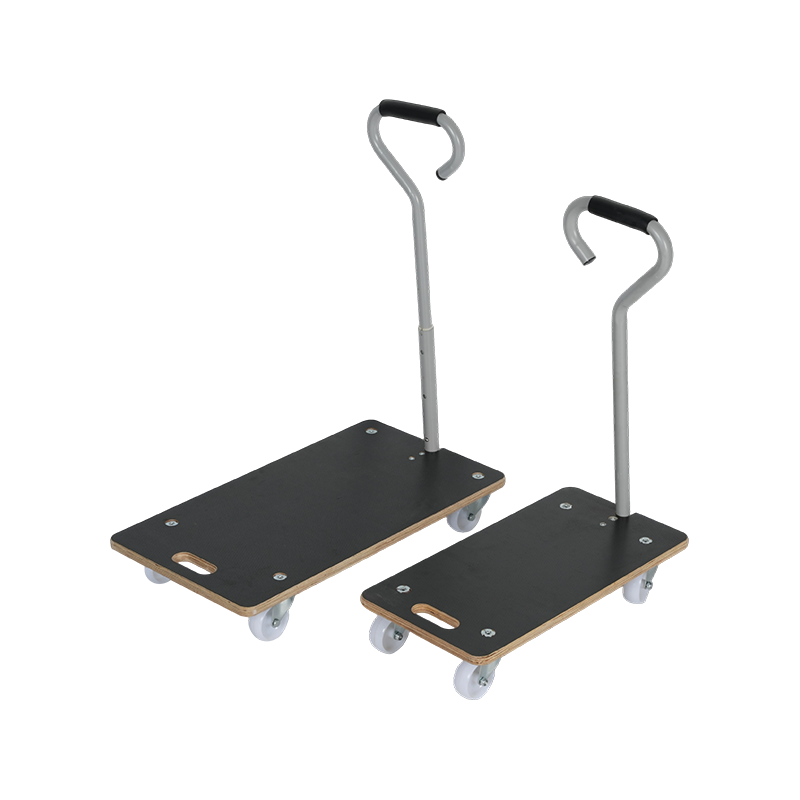
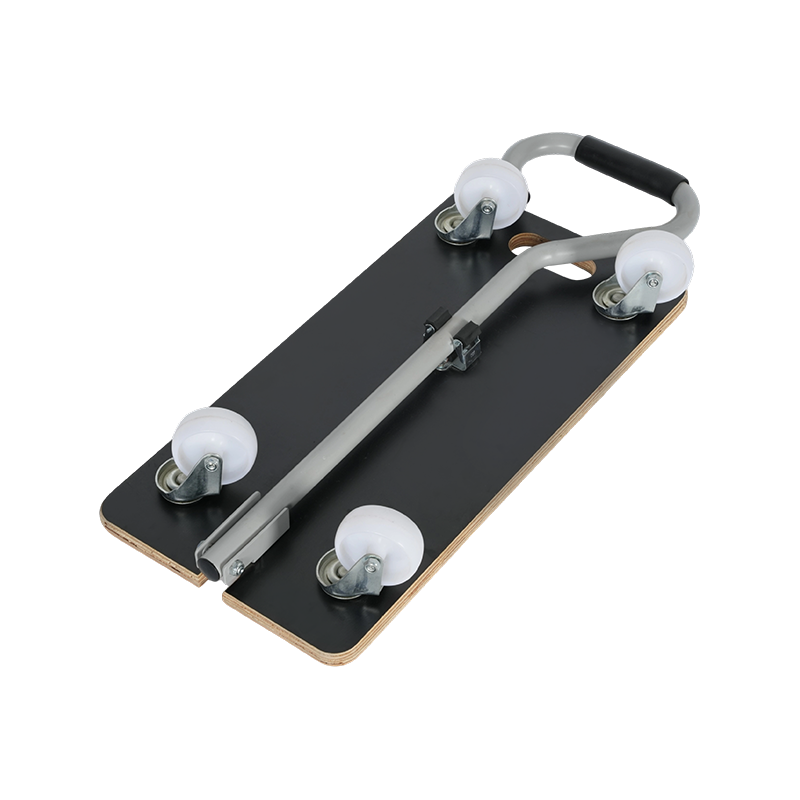
The wooden plywood moving cart has become a practical workshop accessory for transporting sheet goods, tools, and bulk materials across job sites and storage areas. This cart features a flat deck constructed from multi-layered plywood, supported by a steel or hardwood frame with swivel casters for easy maneuverability. Recent user reports indicate that these carts reduce manual lifting strain and improve material handling efficiency, particularly in carpentry shops, warehouses, and construction staging areas.
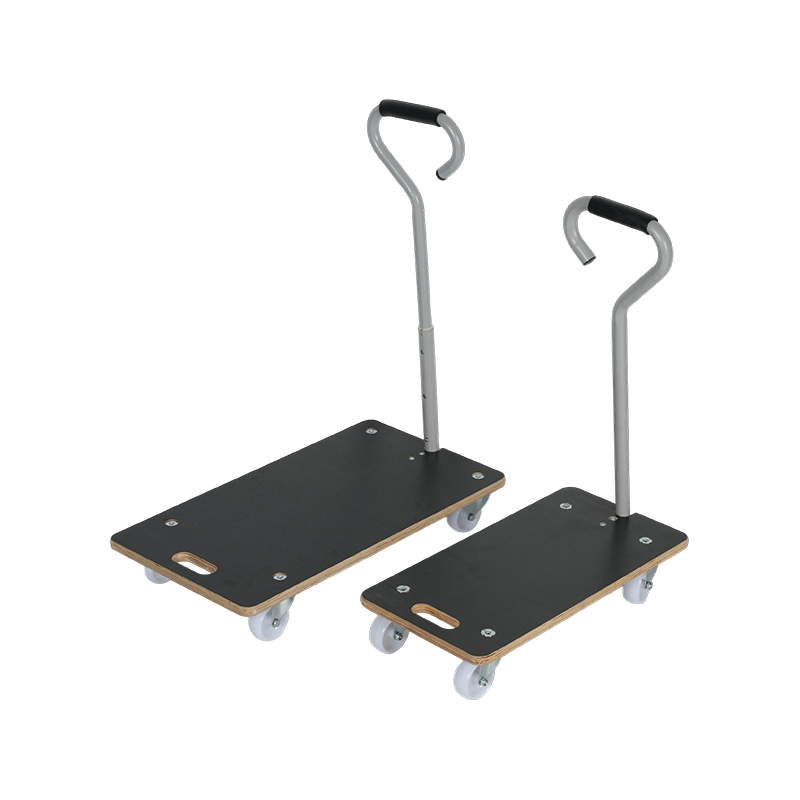
The cart relies on high-quality plywood for its deck surface, typically composed of birch, poplar, or marine-grade veneers bonded with waterproof adhesives. Deck thickness ranges from 15 to 25 millimeters, with thicker panels providing greater load capacity. Beneath the deck, a support frame distributes the load to the caster mounting plates and prevents flexing under heavy loads. Frame materials include welded steel tubing, formed channel sections, or kiln-dried hardwood beams, with cross-members running both longitudinally and transversely to support the plywood evenly.
The caster system determines the cart's mobility and load capacity. Standard configurations include:
Wheel materials vary by floor type and load, with polyurethane for quiet, non-marking operation, rubber for shock absorption, nylon for high capacity, and phenolic resin for heat resistance. Heavy-duty casters include sealed ball bearings for extended service life.
The cart is engineered to transport materials up to rated capacities between 200 and 700 kilograms. The plywood surface offers low hardness to reduce scratching of finished workpieces, good friction to prevent load shifting, repairability through sanding, and shock absorption for dropped items. Many workshop models include a foam or rubber mat over the plywood to further protect delicate surfaces, with removable mats allowing easy cleaning. The deck is sanded smooth and often sealed with varnish or clear sealer to resist moisture and stains.
Push bars or handles are attached to one or both ends of the cart frame. Ergonomic features include:
The cart serves numerous workshop roles: transporting plywood panels and lumber to saws, moving finished furniture between spray booths and drying racks, staging orders and repositioning inventory in warehouses, hauling stage flats in theater production, and providing mobile workstations in residential garages.
Routine upkeep includes inspecting caster bolts and frame connections monthly, cleaning the plywood deck with a soft brush to remove sawdust and debris, applying wood sealer if the deck becomes dry, and replacing damaged casters when wobbling or flat spots appear. When surface damage occurs, operators can sand the deck smooth and apply fresh sealer. Choosing the right cart involves matching specifications to the intended workload, considering big material weight, typical load dimensions, floor surface condition, and available storage space. Additional factors include the number of casters needed for stability, brakes for stationary applications, and budget—with all-steel carts costing more than plywood-over-frame designs.

We sincerely welcome domestic and international customers to visit us and discuss cooperation opportunities!

ykjg@wenlide.com
ykxy@wenlide.com

86-0579-89266926
86-0579-87353489

+86-13735620288
+86-15258987461
+86-13566910892

No. 299, Quanhu Indsutrial Zone, Shizhu Town, Yongkang City, Zhejiang Province, China
Copyright © Yongkang XiangYe Tools Manufacturing Co., Ltd. All Rights Reserved.
Hand Trucks and Transport Trolley Manufacturer



 English
 中文简体
中文简体