


 English
 中文简体
中文简体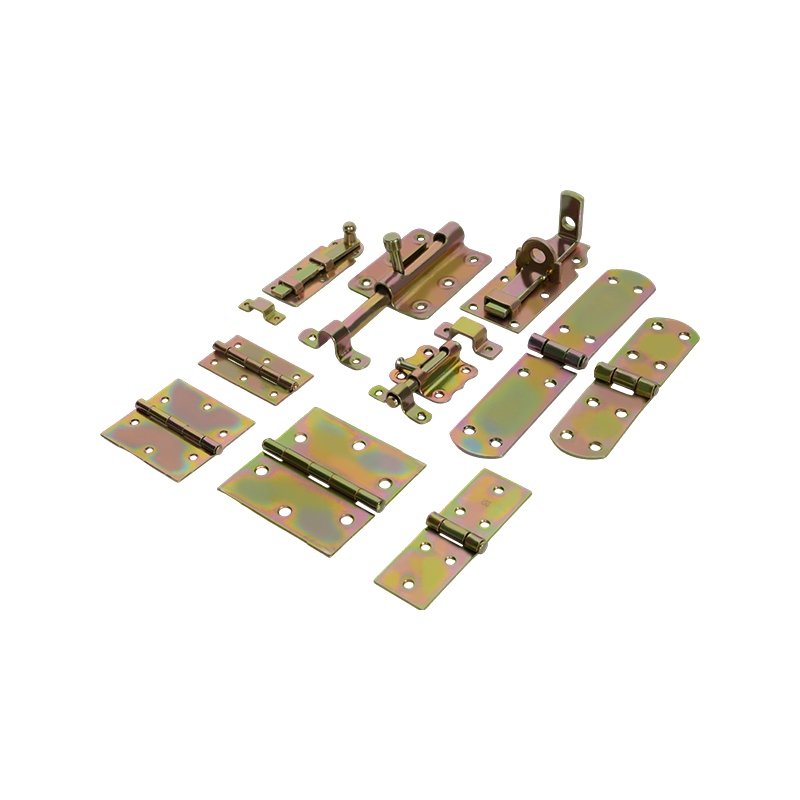
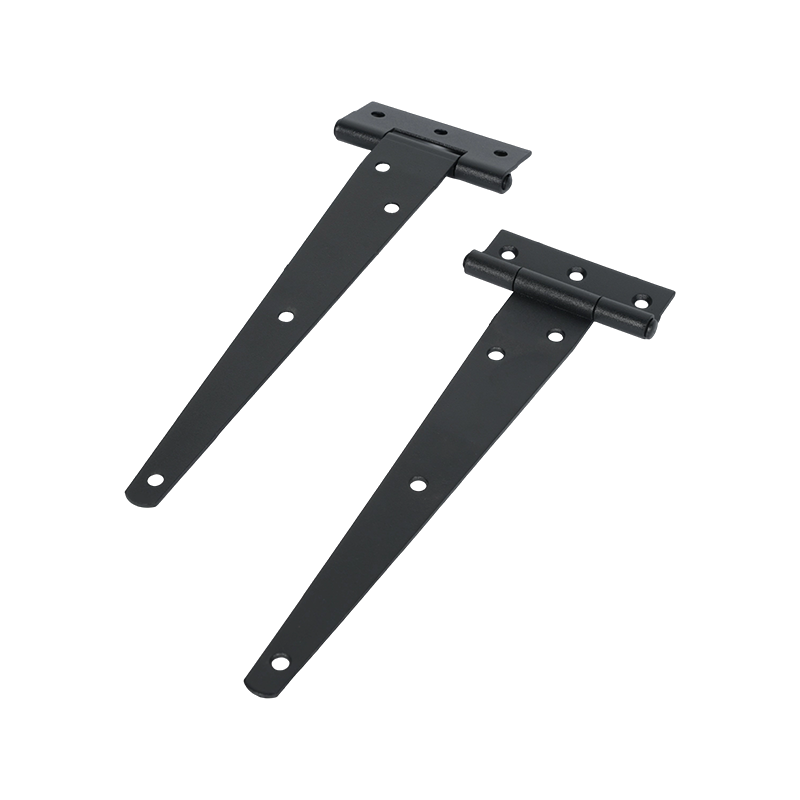
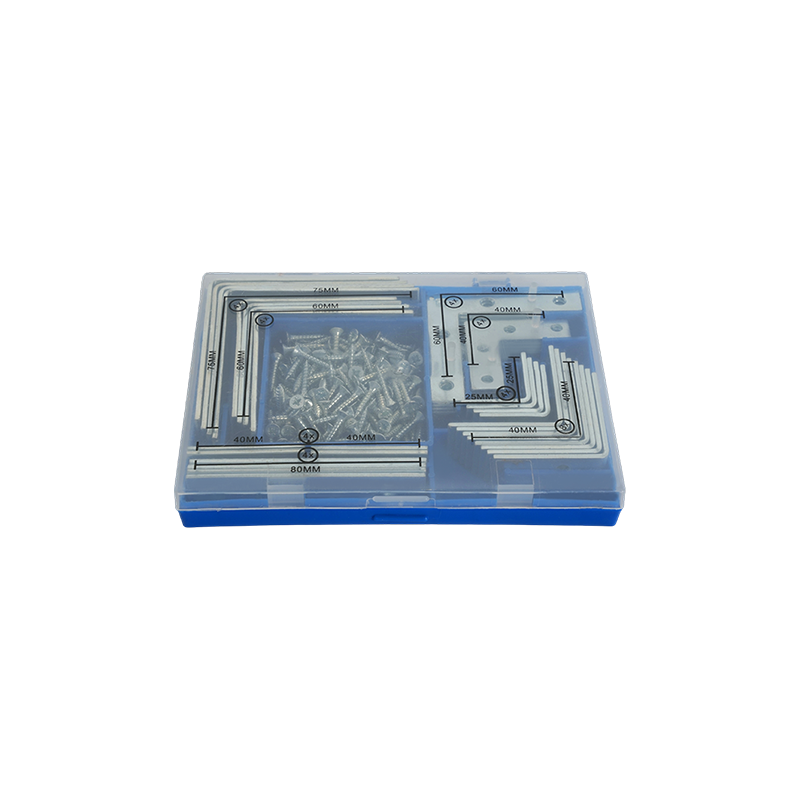




What Is the Function of Door Hardware Hinges and Accessories?
Door hardware hinges and accessories play a fundamental role in the operation, safety, and longevity of doors across residential, commercial, and industrial buildings. While often overlooked, these components directly affect how a door moves, how long it lasts, and how well it meets functional and regulatory requirements.
Core functions and significance include:
Controlled Door Movement
Hinges enable doors to open and close smoothly along a defined axis. Proper hinge selection ensures consistent alignment, reduces friction, and minimizes wear on door frames and panels.
Load Distribution and Structural Support
Hinges carry the weight of the door and transfer it to the frame. Accessories such as reinforcement plates or hinge bearings help distribute loads evenly, particularly for heavy or high-traffic doors.
Durability and Service Life
Quality hinges and accessories reduce sagging, misalignment, and metal fatigue over time. This contributes to longer door life and lower maintenance frequency.
Safety and Compliance
In commercial settings, door hardware often must meet fire ratings, accessibility standards, and building codes. The correct hinge type and accessories help ensure compliance without altering door design.
Noise and User Experience
Accessories such as hinge washers, bearings, or soft-close elements help reduce noise and vibration, improving the overall user experience.
How Should They Be Selected
Key considerations when choosing the right hinges and accessories:
Door Weight and Size
Heavier or taller doors require hinges with higher load ratings and reinforced construction.
Usage Frequency
High-traffic doors benefit from ball-bearing hinges or heavy-duty designs to withstand repeated cycles.
Installation Environment
Corrosion-resistant materials are important in humid, coastal, or outdoor environments.
Door Material and Frame Type
Wood, steel, aluminum, and glass doors each require compatible hinge designs and mounting methods.
Regulatory Requirements
- Fire-rated or accessible doors may require certified hinges and specific accessories.
- By aligning hinge selection with these functional and environmental factors, doors can perform reliably over extended service periods.
What Are the Common Types of Commercial Door Hinges?
Commercial door hinges are designed to accommodate higher loads, increased usage frequency, and stricter regulatory requirements than residential hinges. Several common types are widely used across commercial buildings.
Butt Hinges
Butt hinges are among the commonly used hinges in commercial construction. They consist of two rectangular leaves joined by a pin. In commercial applications, they are typically heavier and thicker than residential versions. Butt hinges are suitable for offices, schools, and retail environments where standard swing doors are used.
Ball-Bearing Hinges
Ball-bearing hinges incorporate small bearings between the hinge knuckles to reduce friction. This design supports smoother operation under frequent use and heavier loads. They are often specified for high-traffic areas such as corridors, public entrances, and service doors.
Continuous (Piano) Hinges
Continuous hinges run the full height of the door, distributing weight evenly along the entire edge. This reduces stress at individual mounting points and improves door alignment. They are commonly used in hospitals, laboratories, and commercial kitchens where durability and stability are important.
Spring Hinges
Spring hinges include an internal spring mechanism that automatically closes the door after opening. These hinges are frequently used where self-closing functionality is required, such as fire-rated doors or restricted-access areas. Adjustable tension allows controlled closing force.
Concealed Hinges
Concealed hinges are installed within the door and frame, making them invisible when the door is closed. In commercial environments, they are often selected for modern interiors where clean aesthetics are important. Despite their hidden appearance, commercial-grade concealed hinges are engineered to support significant loads.
Pivot Hinges
Pivot hinges support the door at the top and bottom rather than along the side edge. This design allows doors to rotate on a vertical axis offset from the frame. Pivot hinges are commonly used for heavy doors, large panels, or architectural entrances where design flexibility is required.