


 English
 中文简体
中文简体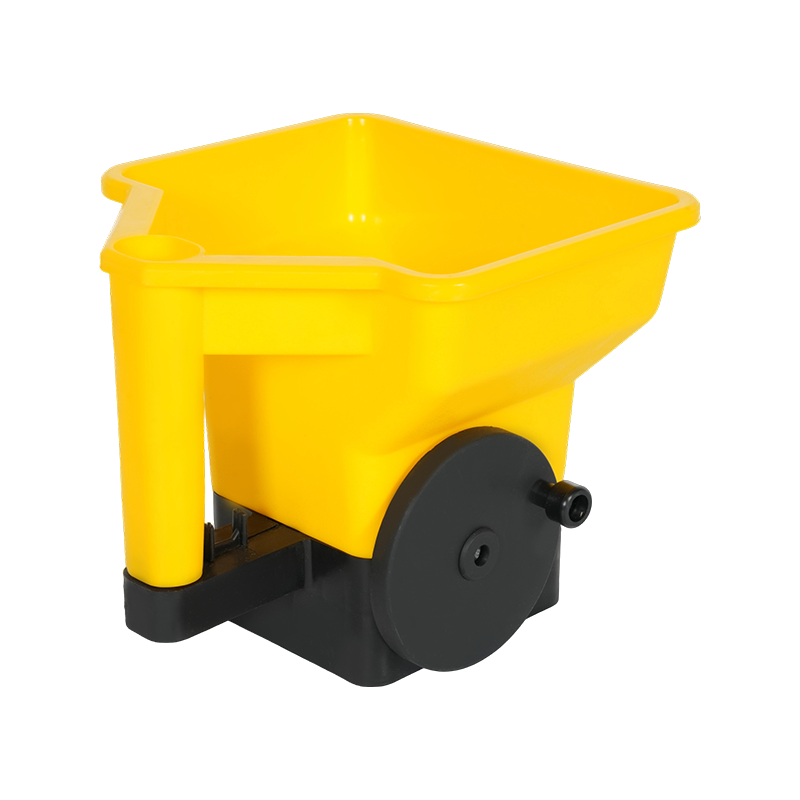
What is the Main Function of a Plastic Handheld Seeder?
The main function of a plastic handheld seeder is to uniformly and efficiently plant seeds in the soil. This tool is designed to make the process of seed sowing quicker and more precise, helping gardeners and farmers achieve consistent seed placement and optimal germination.
Here’s how it works and why it’s useful:
1. Seed Dispensing
A handheld seeder is typically equipped with a mechanism that holds and dispenses seeds one at a time or in small groups, depending on the model. It allows the user to select the seed size, adjust the seed flow, and accurately place seeds in rows or individual spots. This reduces the chances of over-planting or under-planting, ensuring the right seed spacing for healthy growth.
2. Ease of Use
Being handheld and often lightweight, the tool is easy to maneuver around the garden or field. It eliminates the need for tedious manual sowing, especially when planting smaller seeds. The plastic design makes the seeder durable yet easy to carry around.
3. Even Distribution
The main advantage of using a handheld seeder is its ability to provide even distribution of seeds. It helps in maintaining the correct depth and spacing between each seed, which is crucial for ensuring good plant growth. This is especially helpful for gardeners working with small seeds like carrots, lettuce, or herbs, which require precise sowing for best results.
4. Time and Labor Saving
A handheld seeder can significantly reduce the time and effort required for manual sowing. It speeds up the planting process, which can be especially useful for large gardens, flower beds, or small-scale farming operations. The consistent seed spacing also contributes to better crop yields by preventing overcrowding.
5. Versatility
Most plastic handheld seeders come with adjustable settings that allow users to sow a variety of seed types, from tiny flower seeds to larger vegetable seeds. This flexibility makes it a handy tool for different gardening tasks.
What are the Performance Characteristics of a Handheld Seed Spreader?
- Ease of Use: High-quality handheld seeders are designed for user comfort, with ergonomic handles and lightweight construction.
- Adjustable Seed Flow: Many models feature adjustable seed flow controls, allowing gardeners to customize the rate of seed dispersal.
- Variety Compatibility: Good seeders can accommodate a wide range of seed sizes and types, from small flower seeds to larger vegetable seeds.
- Durability: Made from sturdy plastic, these seeders are built to withstand regular use and resist wear and tear.
- Portability: Handheld seeders are compact and easy to transport, making them suitable for use in various locations.
- Maintenance: Low maintenance requirements are a hallmark of quality handheld seeders, with simple cleaning processes to keep them in top condition.
- Versatility: Some models can be used for both seeding and fertilizer spreading, adding to their utility.
What Factors Commonly Affect the Price of a Hand-Powered Plastic Spreader?
Material Quality
The type of plastic used in the construction of the seeder can greatly influence its price. Durable, high-quality plastics will typically command a higher price due to their longevity and resistance to damage.
Design Complexity
Seeders with more intricate designs, such as those with adjustable settings and multiple functions, tend to be more expensive due to the increased manufacturing complexity.
Brand Reputation
Well-known brands often charge a premium for their products, as they are associated with reliability and quality assurance.
Market Demand
The price can also be affected by market demand. During peak gardening seasons, the price of handheld seeders may increase due to higher demand.
Features and Add-ons
Advanced features such as built-in meters for measuring seed distribution or additional attachments can add to the cost of the seeder.
Size and Capacity
Larger seeders with greater capacity usually come with a higher price tag, as they can handle more seeds and are suitable for larger gardening projects.
A warranty and after-sales service are valuable additions that can increase the price of a product, as they provide customers with peace of mind and protection against defects.