


 English
 中文简体
中文简体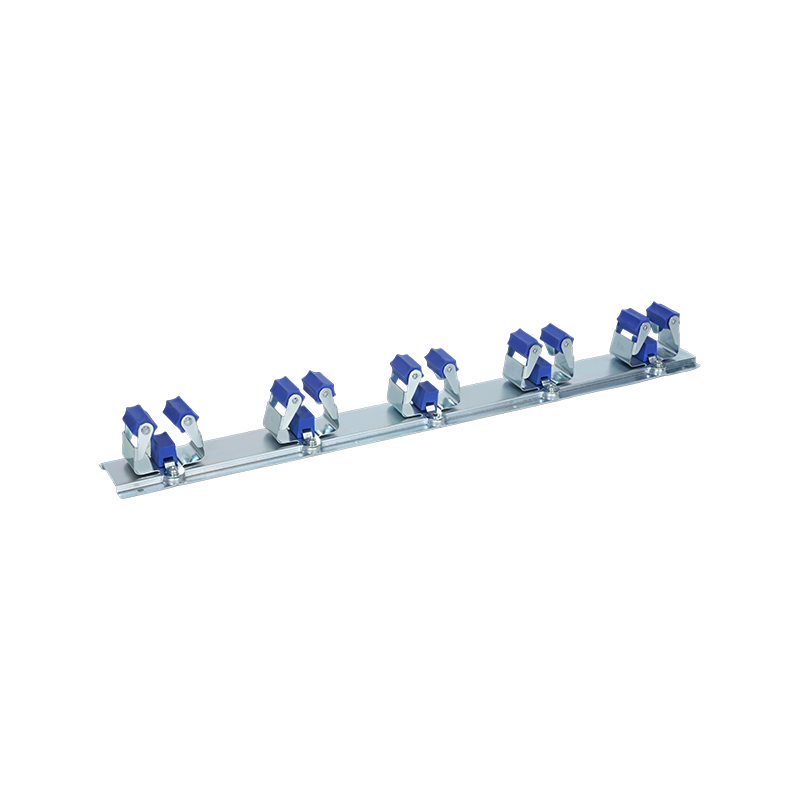




Environmental Materials and Design of Tool Racks and Holders
The modern tool rack or holder has transcended its basic function, with design and material choice increasingly reflecting environmental considerations. Traditionally made from plastics or new timber, there is a growing shift towards sustainable alternatives that do not compromise on durability. A prominent trend is the use of recycled materials. Tool organizers constructed from post-consumer recycled plastics or reclaimed wood fibers give new life to waste materials, reducing landfill burden and the demand for virgin resources. Similarly, rapidly renewable materials like bamboo are gaining popularity. Bamboo’s fast growth rate, natural strength, and aesthetic appeal make it an choice for wall-mounted racks or free-standing caddies.
Beyond material selection, sustainable design principles focus on longevity and multi-functionality. A well-designed rack made from sturdy, corrosion-resistant metal or high-quality wood is intended to last for decades, countering the disposable culture of cheap, flimsy organizers. The design itself often promotes modularity, allowing users to configure and reconfigure shelves, hooks, and bins to suit changing needs, rather than discarding the entire system. Furthermore, the fundamental purpose of a tool rack—to keep tools visible, accessible, and in good condition—is inherently sustainable. It prevents loss and damage, extending the useful life of the tools themselves, which is the significant environmental benefit of all.
What are the Features of Mop and Broom Organizers?
Effective mop and broom organizers are designed to solve specific clutter problems associated with long-handled cleaning tools. Their features are tailored for stability, space efficiency, and tool preservation. The common feature is a compartmentalized or tiered design. This uses vertical space efficiently, allowing tools of varying heights and head sizes to be stored upright without tangling. This is often achieved through adjustable slots or a cascade of hooks.
Secure gripping mechanisms are essential to prevent tools from falling over. This can include elasticated bands, sturdy plastic clamps, or contoured slots that cradle the handles. For wall-mounted versions, a low-profile design is key, allowing the tools to hang flat against a wall in a garage, laundry room, or closet to maximize floor space. Freestanding models, meanwhile, often feature a weighted or broad base for stability, ensuring they do not tip over when a heavy wet mop is placed inside.
Additional functional features include integrated drip trays in mop-specific holders, which contain water drainage and protect floors from moisture damage. Some organizers also incorporate secondary storage for smaller items like scrub brushes, gloves, or spray bottles, creating a centralized cleaning station. The overall design prioritizes quick access and clear visibility, transforming a jumbled collection of handles into an orderly, manageable system.
What is the Significance of Mop Stand Holders in Real Life?
The significance of a dedicated mop stand holder extends far beyond simple storage; it addresses practical concerns of hygiene, safety, and tool maintenance in tangible ways. Primarily, it promotes proper drying. By holding a mop head upright and away from the floor, air can circulate freely around it. This prevents the growth of mold, mildew, and bacteria that thrive in damp, dark environments, which is a direct health and hygiene benefit. A dry mop also retains less odor and is more effective on its next use.
From a safety perspective, a stand holder mitigates tripping hazards. Mops and brooms leaned against a wall are prone to slipping and cluttering walkways. A secure stand contains them in a designated spot, creating a clearer and safer floor space, which is particularly important in high-traffic areas like utility rooms or kitchen corners. This organization also reduces the risk of accidental knocks that can damage the tools or surrounding items.
A stand preserves the integrity of the tools. Storing a mop on its head can flatten and distort the fibers, reducing its absorbency and cleaning effectiveness. Keeping the handle upright maintains the tool’s shape and functionality. On a daily level, the convenience of having a fixed, ready place for the mop simplifies cleanup routines, reducing the minor friction and clutter that can make household chores feel more burdensome. In essence, the mop stand is a small investment that upholds hygiene standards, enhances domestic safety, and protects the utility of a common cleaning tool, thereby contributing to a more orderly and well-maintained home.