


 English
 中文简体
中文简体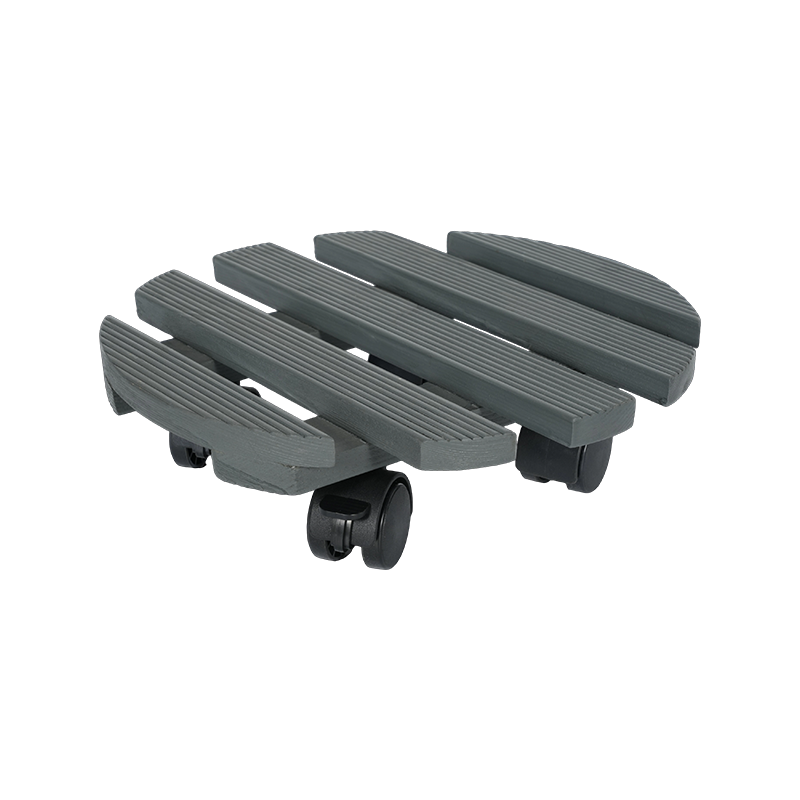
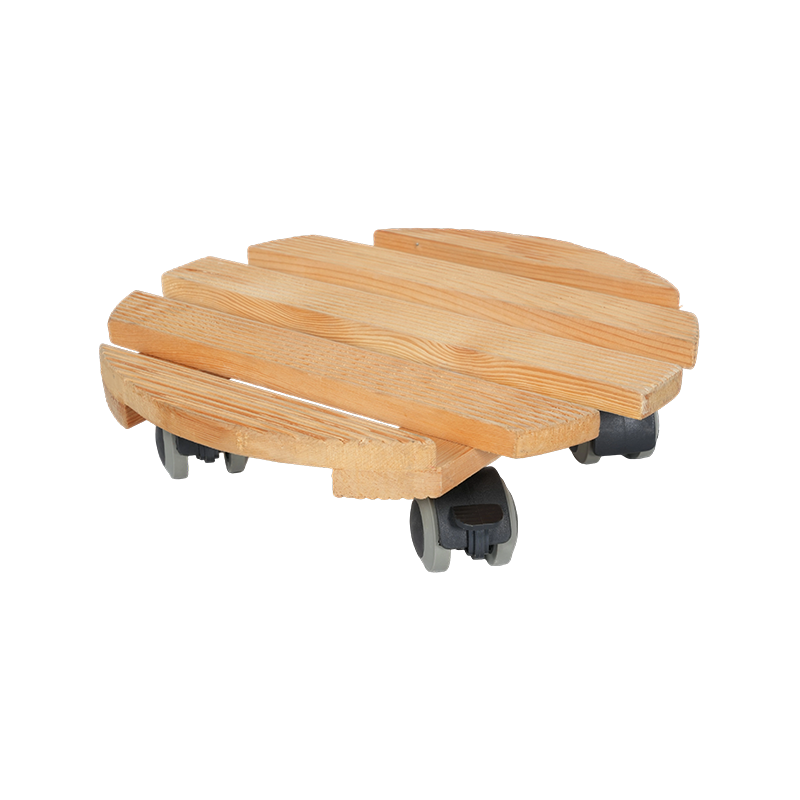
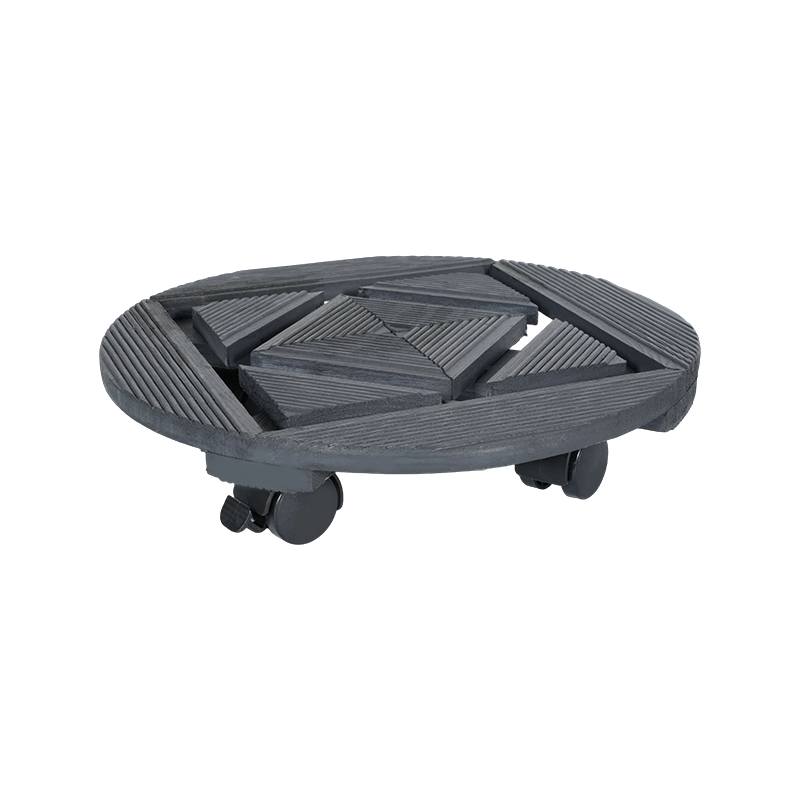
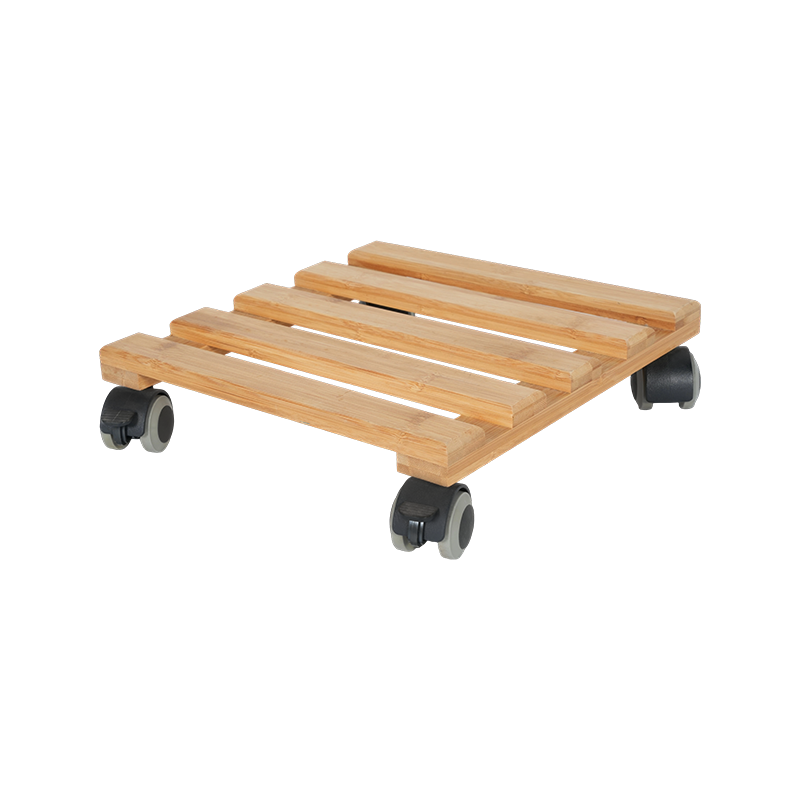
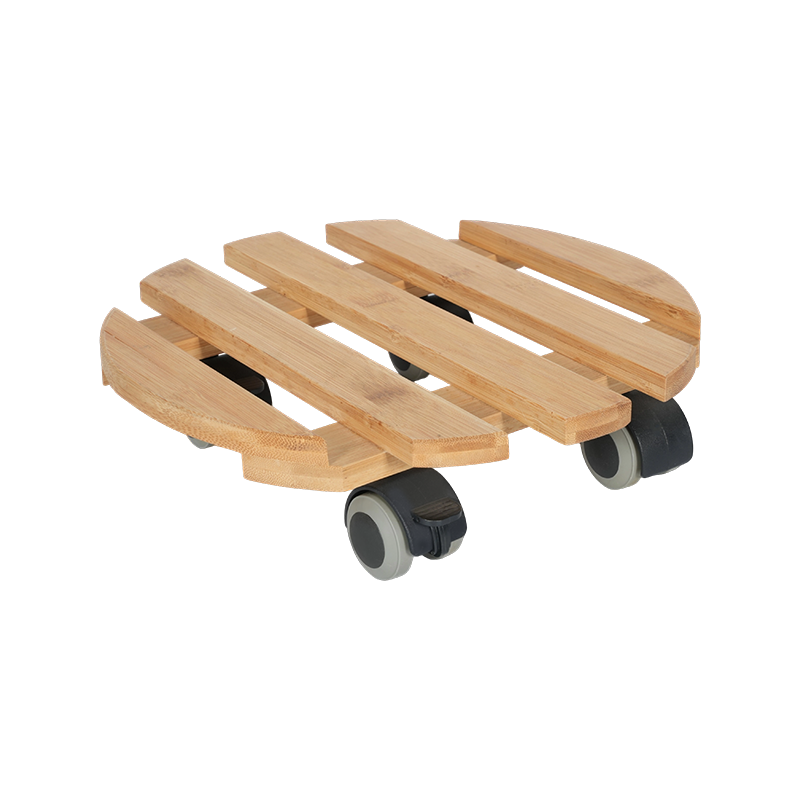
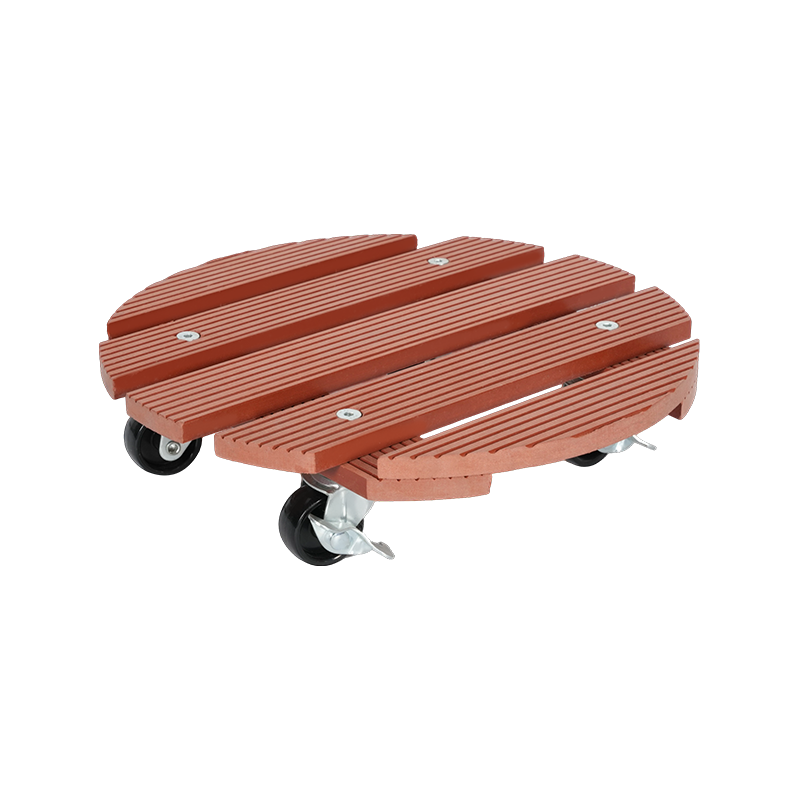
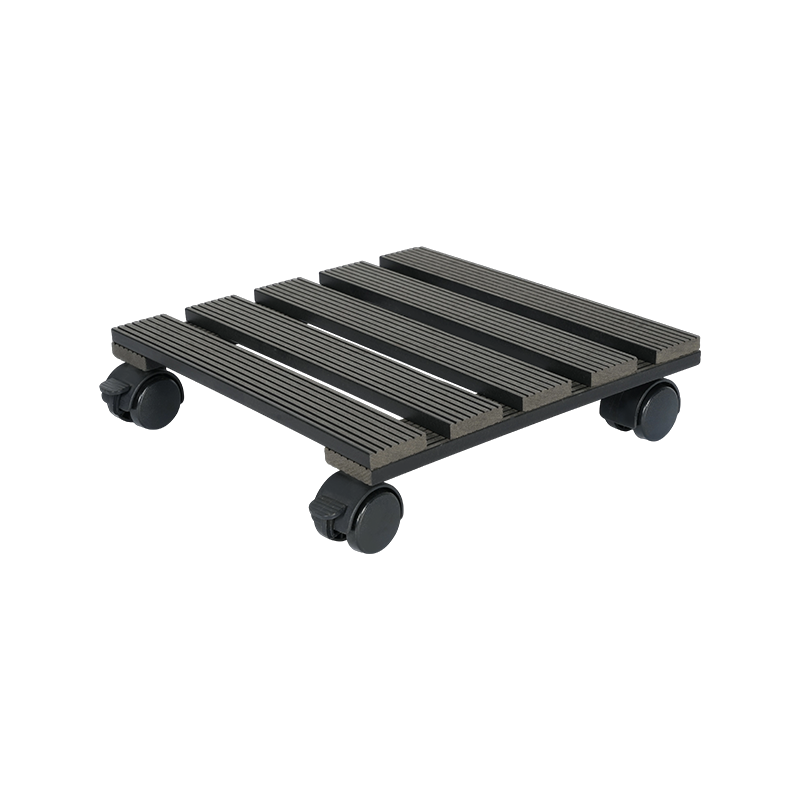
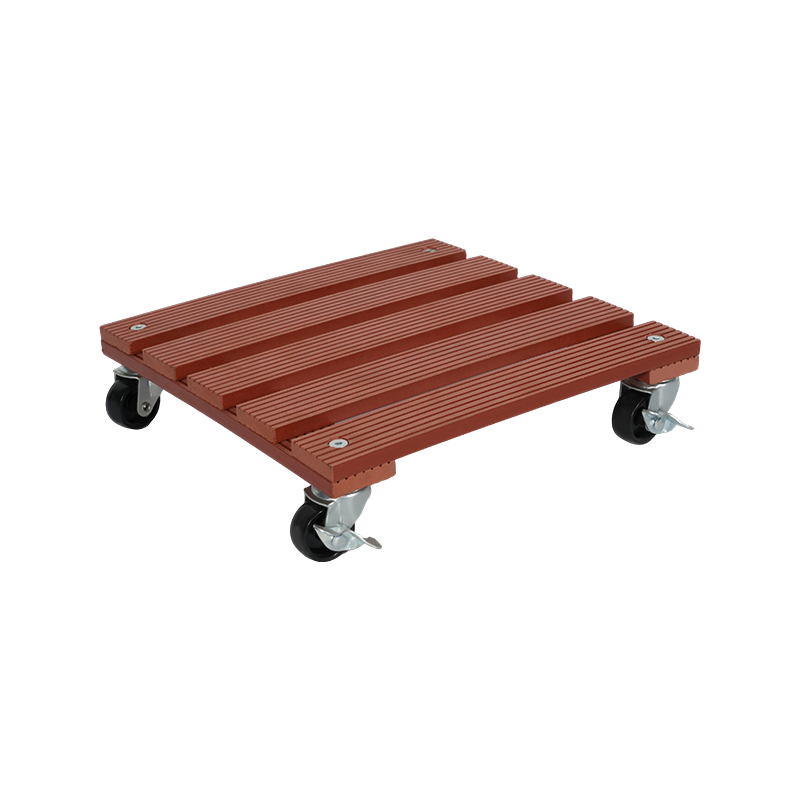


What Materials are Used for Round Plant Trolleys?
Round plant trolleys are designed for the efficient and safe transportation of plants. The choice of materials is critical to their durability and functionality.
Steel: Known for its strength and robustness, steel is a popular choice for plant trolleys. It can withstand heavy loads and is resistant to rust and corrosion, making it suitable for outdoor use.
Aluminum: Lighter than steel, aluminum trolleys are easier to maneuver. They are also resistant to corrosion, making them a good choice for environments with high humidity or frequent exposure to water.
Plastic: Plastic trolleys are lightweight and cost-effective. They are ideal for indoor use and in situations where the load is relatively light. However, they may not be as durable as metal alternatives.
Stainless Steel: This is a premium choice, offering resistance to corrosion and staining. It is often used in environments where hygiene is a priority, such as in nurseries or greenhouses.
Wood: Wooden trolleys offer a natural aesthetic and are gentle on plants. They are typically used for lighter loads and in settings where the appearance is as important as functionality.
What are the Three Common Types of Plant Dollies?
Plant dollies come in various designs, each suited to different needs. Here are three common types:
- Swivel Casters: These dollies feature wheels that can rotate a full 360 degrees, allowing for easy maneuverability in tight spaces. They are ideal for indoor use where plants need to be moved around corners and through doorways.
- Fixed Casters: With fixed casters, the wheels do not swivel, which makes the dolly more stable when moving heavy loads in a straight line. This type is often used in outdoor settings or for moving plants with large pots.
- Pneumatic Tires: Dollies with pneumatic tires offer a smooth ride over rough terrain. They are good for outdoor use, especially on uneven ground, as they can absorb shocks and protect the plants from damage.
- Conclusion: The type of plant dolly selected should align with the specific requirements of the transportation task, including the terrain, the weight of the plants, and the need for maneuverability.
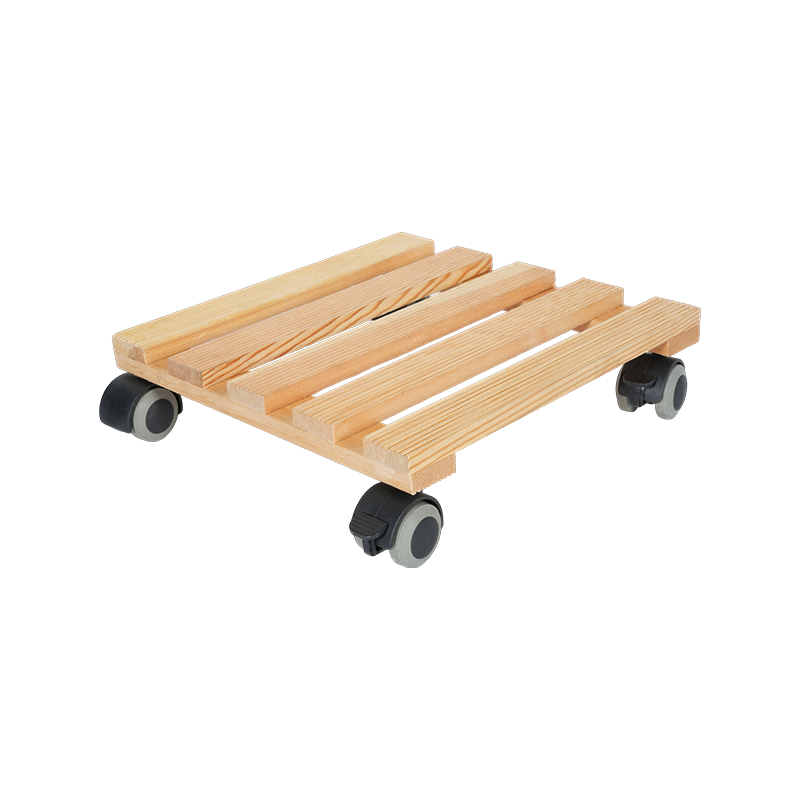
Common Sizes of Square Ribbed Plant Caddies and How to Choose Them
Square ribbed plant caddies are a popular choice for their sturdy construction and ease of use. Here are some common sizes and tips on how to choose the right one:
Small (1-2 feet): These are suitable for small potted plants or for use in tight spaces. They are good for indoor plants and can be easily stored when not in use.
Medium (2-3 feet): This size is ideal for medium-sized plants and is versatile enough for both indoor and outdoor use. It can accommodate a wide range of pot sizes.
Large (3-4 feet): Large caddies are designed for heavy and large plants. They are often used in greenhouses and nurseries where plants are frequently moved.
Extra Large (4+ feet): These are for the largest plants and are typically used in commercial settings where space is ample, and the plants are too heavy for smaller caddies.
How to Choose the Right Size:
- Assess the Plant Size: The size of the caddy should be able to accommodate the plant's pot comfortably, allowing for easy movement without risking the plant's stability.
- Consider the Weight: Ensure the caddy can support the weight of the plant, including the pot and soil.
- Mobility Needs: If the plant needs to be moved frequently or through tight spaces, a smaller, more maneuverable caddy may be necessary.
- Storage Space: Consider the available storage space when the caddy is not in use. Smaller caddies are easier to store but may not be suitable for larger plants.