


 English
 中文简体
中文简体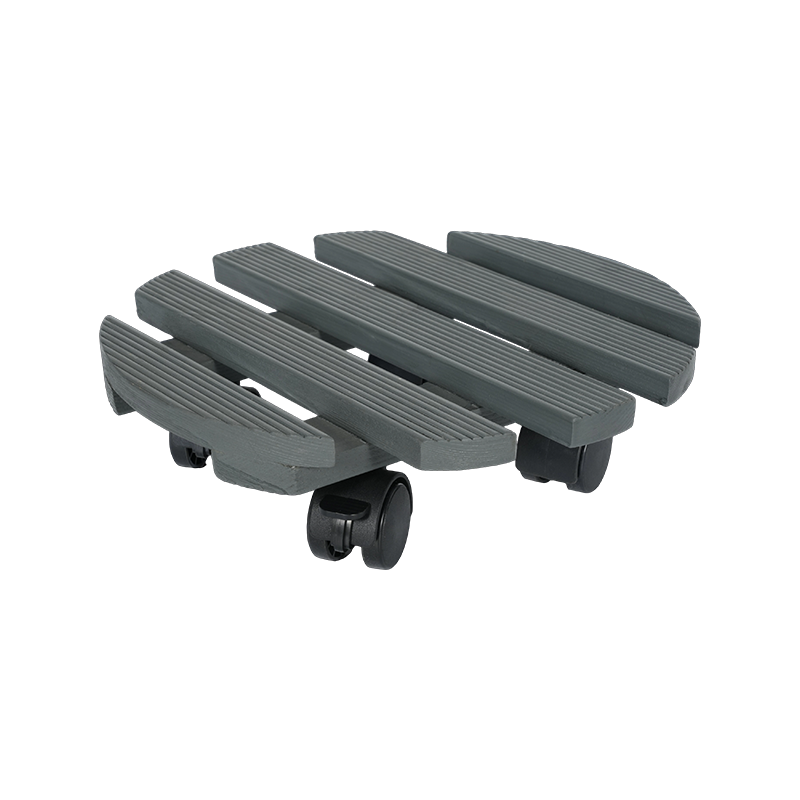


How Can a Wood Plant Caddy Improve Indoor and Outdoor Plant Management?
- Functional Support for Plant Mobility
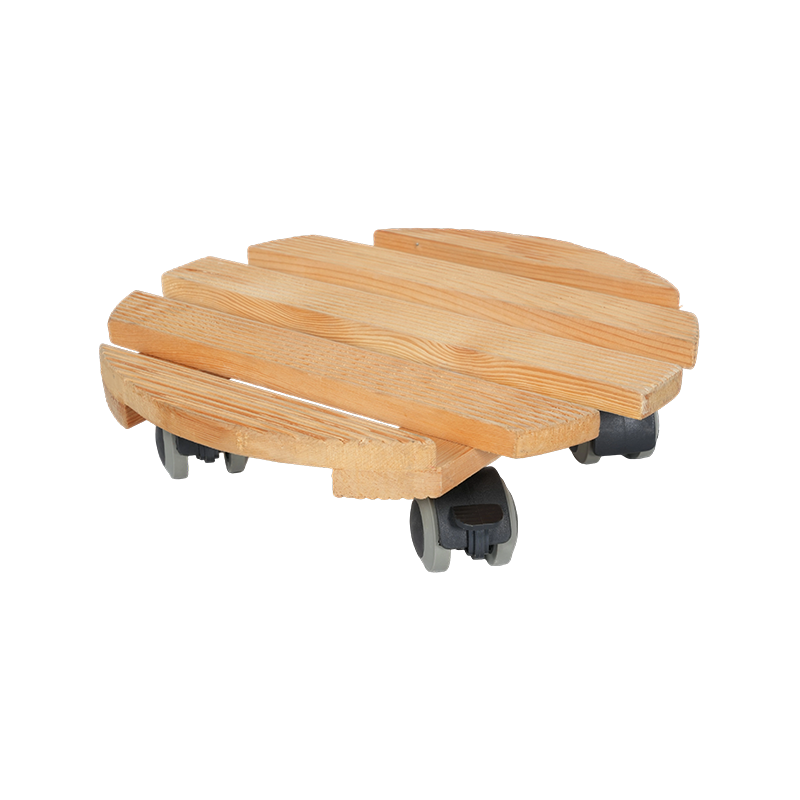
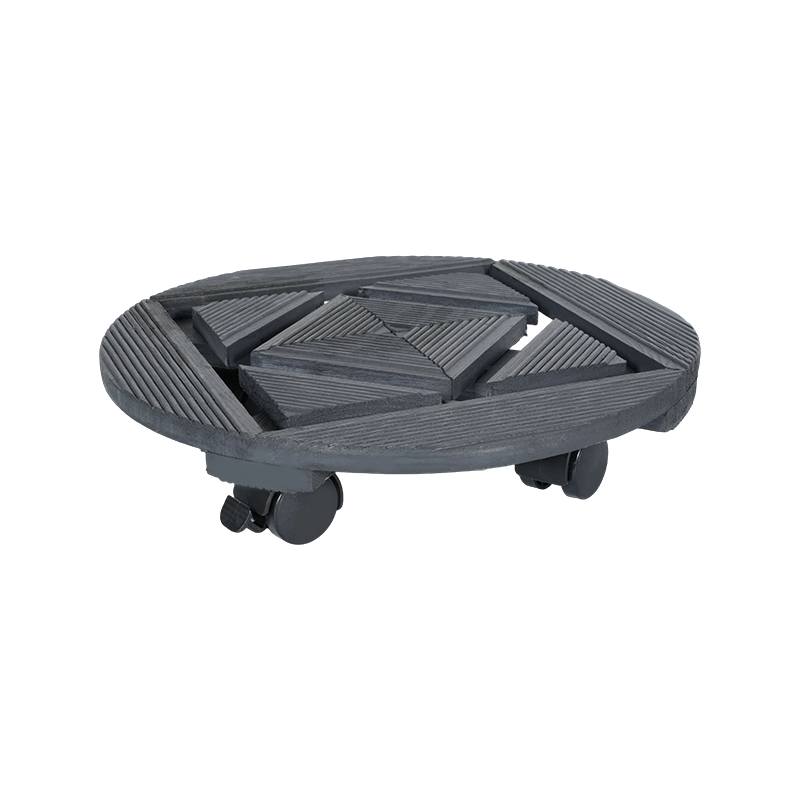
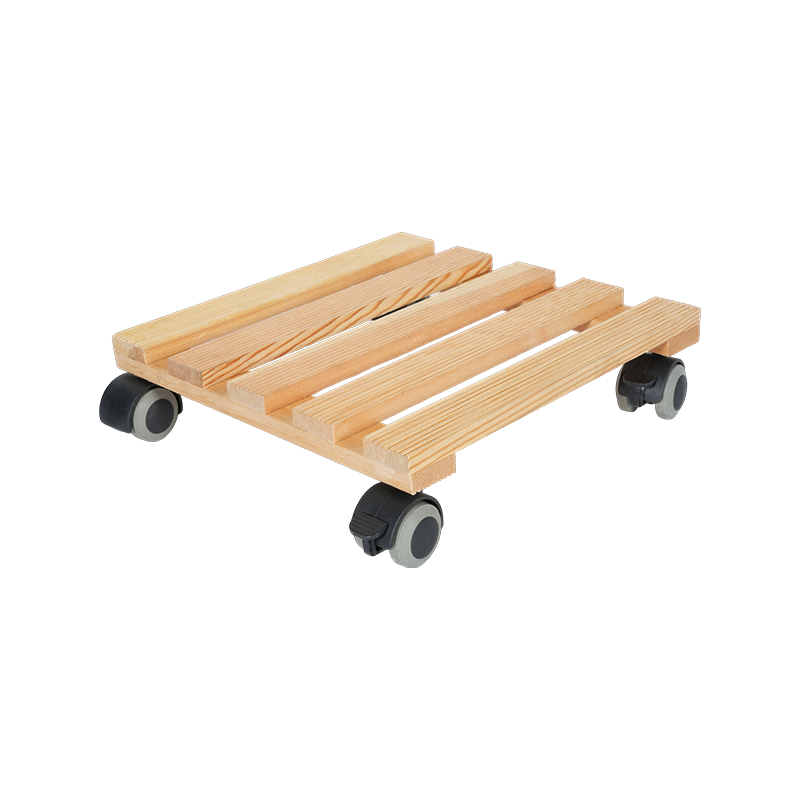
A wood plant caddy is designed primarily to support the movement of potted plants. By integrating casters beneath a wooden platform, it allows users to reposition heavy or oversized planters with reduced effort. This mobility is particularly useful when adjusting plants for sunlight, airflow, or seasonal changes. In indoor environments, a plant caddy can also simplify cleaning routines, as plants can be moved aside without lifting. The functional value lies not in complexity, but in enabling controlled and convenient movement.
- Structural Design and Material Characteristics
Wood plant caddies typically feature solid wood, laminated wood, or engineered wood panels as their main structure. These materials provide sufficient load-bearing capacity for common household and garden planters. Compared with metal or plastic alternatives, wood offers a balanced combination of rigidity and surface friction, helping planters remain stable during movement. Many designs include a raised lip or recessed platform to prevent pots from sliding during transport.
- Integration with Interior and Exterior Spaces
Another important aspect of a wood plant caddy is its visual compatibility with living spaces. Wood finishes can blend naturally with furniture, flooring, and decorative elements, making the caddy less visually intrusive. In covered outdoor areas such as balconies or patios, treated wood caddies can also serve practical purposes while maintaining a cohesive appearance. This integration of utility and appearance is a key reason wood plant caddies are widely adopted in residential and light commercial settings.
What Are the Advantages of a Wood Plant Stand Caddy?
A wood plant stand caddy offers several practical benefits when compared with stationary plant stands or non-wood alternatives. These advantages relate to usability, protection, and adaptability.
Improved Mobility Without Lifting
The direct advantage is the ability to move plants easily. This is especially relevant for large ceramic or stone pots that are difficult to lift safely. Casters distribute weight evenly, reducing strain on users.
Protection of Floors and Surfaces
By elevating pots slightly off the ground, a wood plant stand caddy helps prevent moisture rings, scratches, or staining on floors. This is beneficial for hardwood, tile, or laminate surfaces commonly used indoors.
Stable Load Support
Wooden platforms typically provide a firm and level base. When combined with quality casters, this structure helps maintain balance during movement and while stationary.
Visual Consistency
Wood finishes tend to complement natural plant aesthetics. A wood plant stand caddy often appears more integrated with home decor than plastic or exposed metal frames.
Versatility Across Plant Sizes
Many wood plant stand caddies are designed to accommodate different pot diameters and weights. This flexibility allows users to standardize plant mobility solutions across multiple rooms or zones.
How to Choose a Rolling Plant Caddy?
Selecting a suitable rolling plant caddy requires evaluating several practical factors related to load, environment, and usage frequency. The consideration is load capacity. Users should estimate the combined weight of the plant, soil, and pot, then select a caddy with a rated capacity that comfortably exceeds this figure. This helps ensure long-term stability and reduces wear on casters.
The second factor is caster type and quality. Smooth-rolling casters with sealed bearings are generally preferred for indoor use, as they operate quietly and protect flooring. For outdoor or semi-outdoor environments, larger wheels with durable materials may perform better on uneven surfaces. Locking casters can add stability when plants are positioned permanently.
Material treatment and durability are also important. If the rolling plant caddy will be exposed to moisture or sunlight, treated or sealed wood is advisable to reduce the risk of warping or surface degradation. Indoor-only use allows for a wider range of finishes, including decorative coatings.
The caddy should closely match the base diameter of the planter to ensure even weight distribution. Oversized platforms may reduce stability, while undersized platforms can tipping. Some users prefer circular designs for round pots, while square platforms may better suit planters with flat bases.
Users should consider usage patterns. If plants are moved frequently, emphasis should be placed on wheel smoothness and maneuverability. For occasional repositioning, stability and appearance may take priority. By aligning these factors with actual usage needs, a rolling plant caddy can provide consistent support and convenience over time.