


 English
 中文简体
中文简体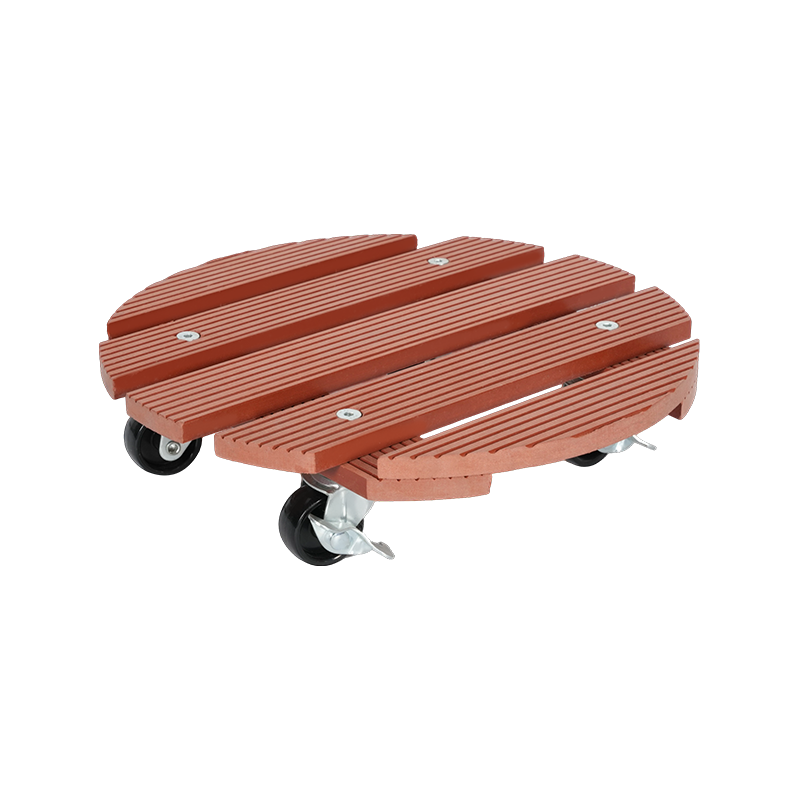
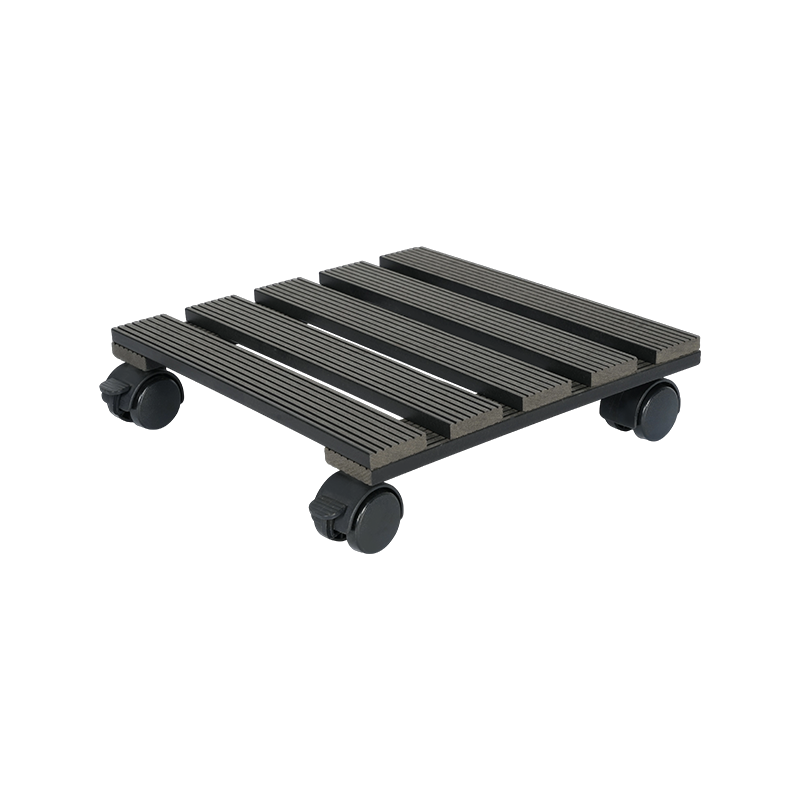
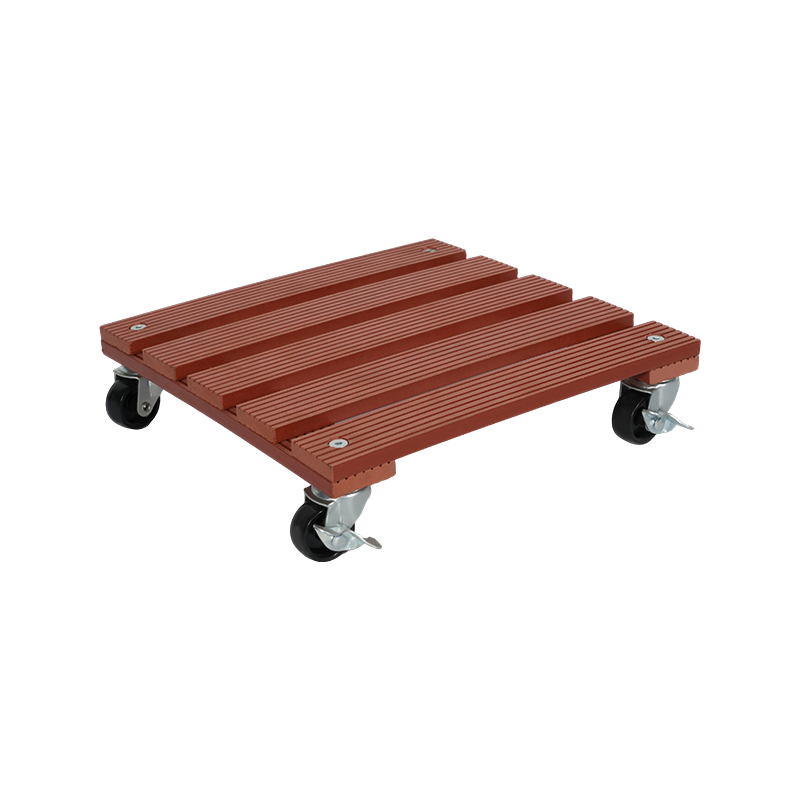

Why Should You Consider a WPC Plant Caddy for Your Outdoor Greenery?
As gardening and outdoor living continue to blend, the tools and accessories we use evolve. The humble plant caddy, once a simple metal or plastic stand, has undergone a material revolution. Wood-Plastic Composite (WPC) has emerged as a compelling choice for these functional items, promising a blend of aesthetics and durability.
How Does the WPC Outdoor Plant Caddy Material Compare to Other Materials?
When selecting a plant caddy, the material is a primary determinant of its performance, look, and longevity. WPC offers a distinct middle ground between traditional options.
Compared to natural wood (like pine or cedar), WPC presents a significant advantage in terms of maintenance. While wood offers classic beauty, it is susceptible to rotting, splintering, and insect damage. It requires regular staining or sealing to withstand the elements. WPC, in contrast, is inherently weather-resistant. It does not rot, warp as easily, or attract pests, and it typically requires only occasional cleaning with soap and water, eliminating the need for seasonal resealing.
Against pure plastic or resin caddies, WPC holds an aesthetic edge. Plastic plant stands are durable and low-maintenance but can often look cheap or artificial. Their colors may fade unevenly in strong sunlight, and they can become brittle over time. WPC, composed of wood fibers and recycled plastics, has a more textured, wood-like appearance that blends more naturally into garden settings. It generally offers better structural rigidity and a more substantial feel than thin, hollow plastic models.
When juxtaposed with metal (often wrought iron or steel), WPC is notably lighter in weight and warmer to the touch. Metal caddies are very strong but can be extremely heavy, difficult to move, and prone to rust unless they are powder-coated or galvanized. Even then, scratches can expose raw metal to corrosion. WPC does not rust, is easier to reposition, and provides better insulation for plant roots against temperature from the sun or cold surfaces.
Why Do We Need a WPC Board Plant Caddy?
The decision to use a WPC plant caddy is supported by several interconnected perspectives that address the needs of the plant, the gardener, and the living space.
- From a Horticultural Perspective:
Plant health is paramount. A WPC caddy with proper drainage and ventilation promotes a healthier root system. The material itself provides slight insulation, protecting roots from the scorching heat of a concrete patio in summer and from freezing cold surfaces in winter, which pure metal cannot do. Furthermore, the mobility a caddy provides allows gardeners to easily rotate plants for even sun exposure or move sensitive species to sheltered areas during storms or frost warnings, directly contributing to plant vigor and survival.
- From a Practical Maintenance Perspective:
For the gardener, a WPC caddy significantly reduces long-term labor. Its resistance to moisture and decay means there is no need for annual sanding, painting, or rust treatment. Cleaning is straightforward. The mobility factor also simplifies other tasks; watering can be done in a convenient location to avoid spills indoors, and rearranging your outdoor space for cleaning or entertaining becomes effortless. This practicality transforms plant care from a chore into a more enjoyable activity.
- From a Design and Spatial Perspective:
WPC caddies enhance outdoor aesthetics with their natural, textured finish that complements both modern and traditional decors. They allow for dynamic landscaping—creating movable focal points, defining spaces on a large deck, or enabling those with limited space (like balcony gardeners) to flexibly curate their green area. They facilitate the protection of expensive decking or stone patio surfaces from water rings and soil stains by allowing for easy movement during watering and preventing constant damp contact.
- From an Environmental and Longevity Perspective:
Many WPC products are manufactured using recycled wood and plastic materials, giving post-consumer waste a new life. Choosing a durable WPC caddy over a disposable plastic alternative aligns with sustainable consumption. Its longevity means it won’t need to be replaced every few seasons, reducing waste and providing better value over time. This durability, combined with its low-maintenance nature, makes it a responsible long-term investment for the eco-conscious homeowner.