


 English
 中文简体
中文简体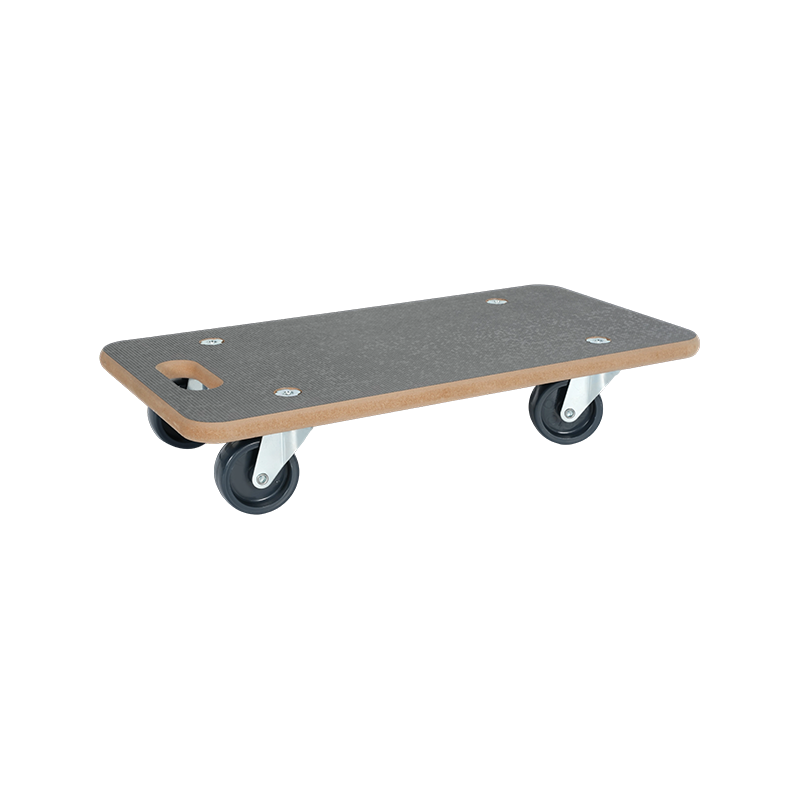


Moving heavy objects is a universal challenge, whether relocating a home, managing warehouse inventory, or rearranging a stage set. While modern equipment offers many high-tech solutions, the wooden dolly remains a timeless and reliable tool for the task. Its simplicity, strength, and affordability make it a staple in numerous settings. However, to use it safely and effectively, one must understand its proper operation, common design variations, and how it compares to more advanced mover carts.
How to Use a Wooden Board Dolly
A wooden board dolly, or furniture dolly, is designed to provide a stable, mobile platform for heavy items. Using one correctly maximizes efficiency and minimizes risk. Ensure the dolly is positioned squarely next to the item you intend to move. With assistance if needed, carefully lift one side of the object and slide the dolly underneath, centering the load as much as possible. The weight should be distributed evenly over the dolly’s platform to prevent tipping. For tall items like bookcases or refrigerators, use moving straps or rope to secure the load to the dolly’s frame, creating a stable connection.
Once the item is secured, you can begin moving. Push or pull the dolly slowly and steadily, keeping your back straight and using your legs to provide power. Be mindful of the casters; swivel casters offer maneuverability but can make tracking in a straight line more challenging. Always watch your path for thresholds, cords, or uneven surfaces that could jar the load. To unload, simply reverse the process: stabilize the item, remove any straps, and carefully lift it off the dolly. Proper use transforms a heavy lifting job into a controlled rolling operation.
Common Designs of Moving Wooden Dollies
Wooden dollies are not one-size-fits-all; their design adapts to specific functions and environments. The common designs include:
- The Standard Flat Platform Dolly: This is the classic design, featuring a simple rectangular hardwood platform (often oak or maple) attached to four swivel casters. It may include cut-out handles for easier gripping and notches or holes for securing straps. Its versatility makes it suitable for general furniture, boxes, and appliances on smooth surfaces.
- The Piano Dolly: Built for weight and stability, this dolly is constructed from heavy-duty timber and typically features a combination of fixed and swivel casters. Fixed casters on one end promote straight-line tracking under immense weight, which is crucial for safely moving grand and upright pianos without uncontrolled pivoting.
- The Convertible or Folding Dolly: This design adds functionality through hinged sections or a collapsible frame. Some models feature a two-wheel hand truck configuration that can transform into a flat four-wheel dolly. This space-saving and adaptable design is ideal for users with limited storage or those who face a variety of moving tasks.
- The Soft-Top or Carpeted Dolly: While structurally similar to the standard platform, this dolly is padded and covered with a carpet-like material. The soft surface provides an extra layer of protection against scratches and dents, making it the preferred choice for moving fine furniture, antiques, or items with delicate finishes.
Is a Furniture Mover Trolley Cart Useful?
A furniture mover trolley cart, often a more advanced version of a basic dolly with a dedicated handle and frame, offers distinct advantages that make it exceptionally useful in many scenarios. Its utility becomes clear when compared to a standard flat dolly across key criteria.
|
Criteria |
Standard Flat Wooden Dolly |
Furniture Mover Trolley Cart |
Utility Assessment |
|
Primary Function |
Stable, low-profile platform for pushing/pulling. |
Integrated system for tilting, steering, and transporting. |
The cart is more versatile for varied tasks and user control. |
|
Maneuverability |
Good on flat floors; requires bending to push. |
Good; upright handle offers good steering leverage. |
The cart provides easier navigation, especially for a single user. |
|
Load Security |
Often requires external straps. |
Frequently includes integrated straps, brackets, or raised edges. |
The cart offers built-in security features for safer transport. |
|
Ease of Use |
Simple but can be awkward for tall/heavy items alone. |
Designed for ergonomic operation, reducing back strain. |
The cart is generally more user-friendly and reduces injury risk. |
|
Better For |
Moving items short distances on the same level (e.g., stage, warehouse floor). |
Moving items through corridors, over longer distances, or involving slight elevation changes. |
The cart is more useful for complex, multi-step moving jobs. |